Joseph L. Beam


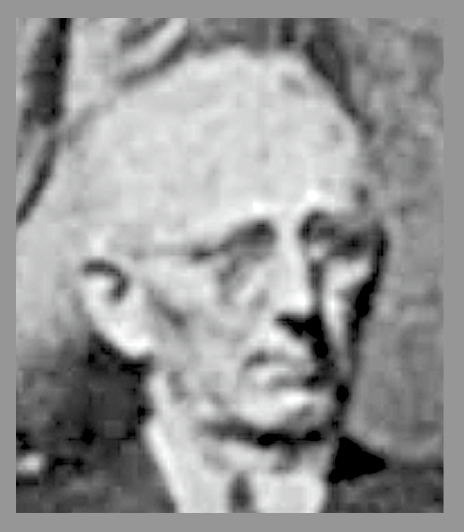
Joseph Lloyd Beam, known throughout the industry as "Mr. Joe,” was born on April 9, 1868 in Washington County, Kentucky, into a family already established in the whiskey business. His father, Joseph M. Beam, was a distiller, and his great-grandfather was Jacob Beam, the patriarch whose early whiskey-making activities established the family's reputation. Joseph was the first cousin of James Beauregard "Jim" Beam, who would become one of the most recognizable names in American bourbon. The family's involvement in distilling extended through successive generations, providing young Joseph with an early introduction to the techniques and responsibilities of producing whiskey.
Beam entered the distilling business at approximately 13 years of age, beginning a career that would eventually span nearly 70 years of Kentucky whiskey production. Between the ages of 13 and 30, he worked at four different distilleries in the Bardstown area, gaining practical experience in an industry that was expanding rapidly during the late nineteenth century. His work introduced him to the equipment, production methods, and management practices required to operate a commercial distillery. By the time he reached adulthood, he had already accumulated several years of invaluable experience in the production of beverage alcohol.
In 1887, Beam married Catherine “Katie” McGill, a young woman from the Bardstown area. Their first child was born in 1893, and the couple eventually became the parents of nine sons. All seven of their sons who lived to adulthood entered the whiskey industry and became celebrated master distillers in their own right. The family's extraordinary concentration of distilling experience established Joseph as the head of one of the most productive branches of the Beam whiskey-making dynasty.
During the closing decades of the nineteenth century and the early years of the twentieth, Kentucky's bourbon industry underwent considerable expansion and consolidation. Distillers operated in an increasingly competitive market, while changing federal regulations and growing opposition to alcoholic beverages created new business challenges. Beam continued his career within this environment, developing the professional experience that would later prove important to several major distilling enterprises. His work preceded the establishment of some of the bourbon brands that eventually became household names throughout the United States.
The passage of the Eighteenth Amendment and the beginning of National Prohibition in January 1920 fundamentally changed the American distilling industry. Commercial production of beverage alcohol was prohibited, forcing most Kentucky distilleries to close or redirect their operations. Beam's career, however, did not end with the shutdown of American whiskey production. He moved his family to Ciudad Juárez, Mexico, where he worked as a master distiller at a tequila-producing facility for several years.
By 1929, Beam had returned to Kentucky, where he and several of his sons became associated with the A. Ph. Stitzel Distillery in Louisville. Stitzel was among the few distilleries permitted to produce whiskey for “medicinal” purposes, but the repeal of Prohibition in December 1933 opened a new chapter in Beam's career. Kentucky distillers quickly began rebuilding an industry that had severely contracted during the preceding 13 years. Experienced production specialists were essential because newly established companies needed people capable of designing, operating, and supervising whiskey-making facilities. Beam's extensive experience made him an important participant in the revival of commercial bourbon production.
In 1934, a group of Bardstown-area investors developed plans to establish a new distillery and approached members of the local Shapira family for financial backing. The five Shapira brothers—David, Ed, Gary, George, and Mose—were not distillers, but had developed a highly-successful retail business and agreed to participate in the venture. The proposed arrangement called for the Shapiras to contribute $17,500 in startup capital, with the operating investors providing an equal amount. Beam became one of the original investors, contributing approximately $9,000 (equivalent to about $200,000 in 2026) toward the establishment of the enterprise.
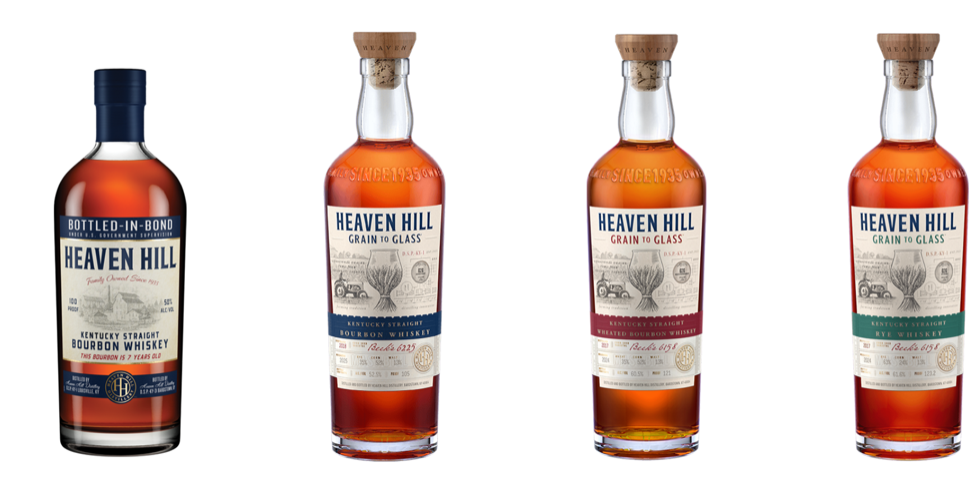
The new operation was constructed on the former property of a local farmer, William Heavenhill, from whom the distillery derived its name. Originally called the Old Heavenhill Springs Distillery, the facility was a relatively modest wooden structure equipped with a coal-fired boiler and a copper column still. Steam generated by the boiler provided the heat required for mashing and distillation. Beam and his youngest son, Henry M. "Harry" Beam, were brought into the production operation to supervise whiskey-making and establish the distillery's quality standards.
On December 13, 1935, the new distillery filled its first barrel of bourbon, marking the beginning of what would become one of Kentucky's most successful independent whiskey companies. The operation began with only 12 employees and faced the considerable challenge of producing whiskey that required years of barrel maturation before it could be sold as fully-aged bourbon. Nevertheless, the distillery introduced Bourbon Falls as its first whiskey label in 1938, providing an early commercial outlet while its bourbon stocks continued to mature. Unfortunately, the lengthy aging process placed increasing financial pressure on the original investors. By 1937, the operating partners needed additional capital, and the Shapira brothers agreed to purchase their interests for $20,000. Beam relinquished his ownership stake as well as his position at Heaven Hill, and the Shapira family assumed full control of the enterprise. But Joseph, then 70 years old, was determined to continue working in the industry that he loved, rather than retiring. He soon joined his sons Roy M. Beam and Desmond A. Beam in producing Four Roses whiskey at the Frankfort distillery operations in Louisville. Their work further extended the Beam family's involvement in yet another prominent American whiskey enterprise.
“Mr. Joe” Beam died on November 13, 1956, closing a career that had begun in the nineteenth century and continued through some of the most disruptive changes in American whiskey production. Joe’s professional life encompassed the expansion of Kentucky bourbon, the restrictions of Prohibition, the industry's revival following repeal, and the emergence of Heaven Hill as a successful independent producer. His place in bourbon history is secured by his role in Heaven Hill's founding, his long career as a distiller, and the extraordinary family legacy that followed him.
Sources:
Heaven Hill Distillery official website, heavenhilldistillery.com
Heaven Hill Brands, “Through the Years”, heavenhill.com
The Daily Beast, “The Beams Are America's First Family of Bourbon,” January 2020, thedailybeast.com
Mashed, “The Untold Truth of Heaven Hill”, March 2022, mashed.com
Find-A-Grave, “Catherine Leone “Katie” McGill Beam”, findagrave.com
Contributed by Tracy McLemore, Fairview, Tennessee

Bourbon Falls was the original brand that was released by Heaven Hill
while waiting for most of their inventory to mature.