

T. Jeremiah Beam


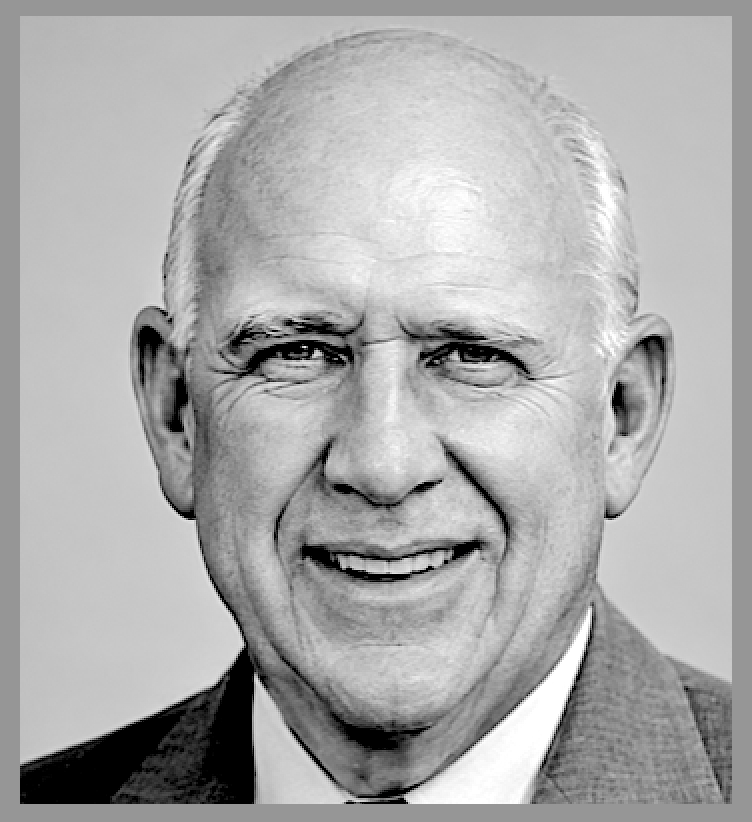
AI-generated image of Jere Beam is created from an authentic illustration
Thomas Jeremiah “Jere” Beam inherited a family whiskey business that had survived wars, economic upheaval, and thirteen years of National Prohibition, but his greatest contribution was transforming that Kentucky enterprise into an internationally-recognized bourbon producer. As the son of James Beauregard “Jim” Beam, he represented the fifth generation of a distilling family whose American whiskey-making history began in 1795. Although his father restored the business following Prohibition, Jere directed its subsequent expansion, introduced Jim Beam bourbon to overseas markets, and helped establish the foundation for one of the world's most successful whiskey brands.
Born in Kentucky in 1899, Jere was the son of James Beauregard Beam and his wife, Mary. His father had assumed leadership of the family's distilling operations during the 1890s, continuing a business established more than a century earlier by Jacob Beam. Jere grew up with his sister, Margaret, in a family whose livelihood depended upon producing and selling whiskey. Margaret later married Frederick Booker Noe, and their son, Frederick Booker Noe II, would eventually become one of the most celebrated master distillers in American bourbon history.
The Beam family's distilling heritage began when Jacob Beam established a farming operation in Kentucky and began converting surplus corn into whiskey. In 1795, Jacob sold his first commercial whiskey, beginning a family enterprise that passed through successive generations. His son David expanded production, while grandson David M. Beam moved the distillery to Nelson County during the 1850s to take advantage of railroad transportation. By the time Jere's father assumed control, the family's Old Tub bourbon had developed a substantial reputation beyond Kentucky.
Jere entered the family business in 1913, when he was approximately fourteen years old, beginning his career at the Clear Spring Distillery in Nelson County. Working in the distillery provided an education in the practical requirements of whiskey manufacturing, including the preparation of grain, fermentation, distillation, and the handling of barrels. His early experience also introduced him to the commercial responsibilities of operating a whiskey business, including maintaining production schedules and distributing finished bourbon. These lessons became increasingly important as the family enterprise confronted the challenges of the early twentieth century.
The passage of National Prohibition in 1920 brought the Beam family's commercial whiskey production to an abrupt halt. The Eighteenth Amendment and the Volstead Act prohibited the manufacture and sale of alcoholic beverages for ordinary commercial purposes, effectively ending the family's established business. Jim Beam pursued other ventures during Prohibition, including coal mining and citrus farming, while the family's distilling equipment remained idle. Jere's early career was consequently interrupted by a federal policy that prevented him from continuing the occupation he had learned from his father. The repeal of Prohibition in December 1933 provided the opportunity for the Beam family to return to whiskey production. Jim Beam, approaching seventy years of age, joined Jere in acquiring the former Murphy-Barber Distillery property at Clermont, Kentucky, in Bullitt County. The location offered established industrial facilities and access to railroad transportation, both important considerations for a company preparing to resume commercial operations. Jere directed construction of the new distillery, while his father supplied the experience and technical knowledge accumulated during decades of bourbon production.
The reconstruction proceeded rapidly, with the new facility completed in approximately 120 days. The Beams reestablished their traditional production methods, including the use of the family's distinctive yeast culture, an essential component in maintaining the character of their whiskey. The operation became the James B. Beam Distilling Company, preserving the family name while beginning a new chapter in its history. The first bourbon produced after Prohibition eventually reached consumers under the name of Colonel James B. Beam, honoring the man responsible for restoring the family enterprise.
Jere played an important role in establishing the Jim Beam name as the company's principal bourbon identity. The familiar Jim Beam White Label expression emerged during the late 1930s, replacing the family's earlier dependence upon the Old Tub name. In 1938, the company also introduced Jim Beam Rye Whiskey, expanding its portfolio beyond traditional Kentucky straight bourbon. The development of these products gave the company recognizable brands that could be distributed throughout the United States as the American whiskey industry recovered from Prohibition.
Soon, however, World War II created another period of disruption for the American distilling industry, as distilleries were called upon to manufacture industrial alcohol for wartime requirements. The Beam family nevertheless maintained its commitment to the business, preparing for the return of commercial whiskey production after the conflict. Jere continued working alongside his father, increasingly assuming responsibility for the company's business operations. His experience during Prohibition and wartime restrictions provided the foundation for his later management of a growing national whiskey enterprise.
In 1946, Jere formally assumed leadership of the family business, succeeding his father as its principal executive. His uncle, Park Beam, and cousins Earl and Carl Beam contributed their distilling expertise, allowing Jere to concentrate increasingly on management, distribution, and business development. Carl became master distiller in 1947, while Earl assisted with production. The division of responsibilities combined traditional Beam family distilling knowledge with Jere's growing emphasis on commercial expansion.
One of Jere's most important initiatives involved making Jim Beam bourbon available to American military personnel stationed overseas following World War II. By arranging shipments to military installations, he introduced the company's whiskey to consumers far beyond its established American markets. He subsequently traveled extensively throughout Europe, promoting the Jim Beam name and establishing international distribution relationships. His approachable personality and knowledge of bourbon history made him an effective representative of the family enterprise, and his efforts helped introduce Kentucky straight bourbon to new generations of overseas consumers.
Jere also recognized the importance of increasing production capacity to accommodate growing demand. In 1954, the company acquired the former Churchill Downs Distillery near Boston, Kentucky, and developed it into a major whiskey production facility. The plant, initially known as J.B.B. 2, incorporated modern distilling equipment and provided substantially greater production capacity. Its development represented one of the most significant physical expansions in the company's history and established the second major distilling center that would support Jim Beam's subsequent growth.
Jere maintained a residence on the Clermont distillery property, converting an older building into a home that allowed him to remain close to the business. The building became known as the T. Jeremiah Beam House and subsequently received recognition through its inclusion on the National Register of Historic Places. Its location within the distillery grounds reflected the close relationship between the Beam family and the whiskey enterprise that had sustained successive generations. The property remains an important physical connection to Jere's years directing the company's development.
On June 2, 1965, the Jim Beam Distillery filled its one-millionth barrel of bourbon since the repeal of Prohibition. Jere participated in the milestone alongside Carl Beam, commemorating more than three decades of renewed production and expansion. The occasion represented a substantial achievement for a business that had been forced to cease commercial whiskey production twice within the past fifty years. By the 1960s though, Jim Beam Distilling had developed into one of the most prominent producers of Kentucky straight bourbon.
Jere retired from his responsibilities at Jim Beam in 1967, concluding more than five decades of involvement in the family business. He had overseen the reconstruction of the Clermont distillery, helped establish the company's principal bourbon brands, expanded production through the Boston facility, and developed international markets that would become increasingly important to American whiskey producers. Although the company subsequently passed through changes in corporate ownership, the Beam family's involvement in whiskey production continued through Booker Noe and later generations.
T. Jeremiah Beam died in May 1977 at the age of 77. In 2005, he was inducted posthumously into the Kentucky Bourbon Hall of Fame, recognizing his contributions to the development and international promotion of Kentucky bourbon. His legacy remains closely connected to the worldwide growth of the Jim Beam name, the expansion of the company's manufacturing capabilities, and the preservation of a family distilling tradition that has continued for more than two-and a quarter centuries. While his father restored the business following Prohibition, Jere transformed that restoration into a durable international enterprise, establishing the commercial foundation upon which subsequent generations of Beam distillers continue to build.
Sources:
Jim Beam Distillery official website, jimbeam.com
James B. Beam Distilling Company, beamdistilling.com
Suntory Global Spirits, “Jim Beam: Brand DNA and History”, founders.beamsuntory.com
Beam Family Reunion, “The Beams, America's First Family of Bourbon”, Charles K. Cowdery, 2001, beamreunion.com
Distillery Trail, “The Complete James B. Beam Distilling Co. Timeline from 1795 to Today”, distillerytrail.com
Contributed by Tracy McLemore, Fairview, Tennessee

Jim Beam Black, the World’s #1 Premium Bourbon was released at the end of Jere & Carl Beam’s tenure. It is aged 8 years and has looked similar in all its versions of packaging.

Original Version of James Beam Rye introduced in 1938, 1980’s Version of Jim Beam Rye (Beige Label) and the current bottle for Jim Beam Rye Pre-Prohibition Style (Green Label). All three versions are made with exactly 51% Rye Grain and Bottled at 80 Proof and Aged 3 to 4 Years.