
(NOTE: FOUNDERS ARE LISTED IN ALPHABETICAL ORDER)
Whiskey Founders
Texas Craft Distillery
Below are links to Whiskey Founders that have made huge contributions to the growth of Texas State Whiskey Industry. These may have been historical figures that lived long ago before prohibition or may be living leaders that have advanced the cause of the industry as a whole. Craft Whiskey has now been its own whiskey category for years.
1

Carlos de Aldecoa
Giant Texas Distillery
Carlos de Aldecoa Bueno sold Maximus Coffee Group to a global commodity-trading company in 2014, then directed part of his attention toward distilled spirits. The new venture began under the name Buffalo Bayou Distilleries, receiving a Federal distilled-spirits permit and a Texas distiller’s permit during in 2015,
2

Daniel Barnes
Treaty Oak Distillers
In 2016, Daniel Barnes served as president of the newly-formed Texas Distilled Spirits Association. In 2018, Barnes expanded distribution of Treaty Oak’s spirits beyond Texas through a partnership with Mahalo Spirits Group, and they entered California, Florida, Georgia, Illinois, Michigan, Tennessee, and Virginia.
3

Mike Chapline
Chapline Distillers
Mike Chapline emphasizes direct supervision, single-barrel bottling, and personal interaction with visitors. At Chapline Distillery, Critical Batch Texas Bourbon became the distillery’s flagship whiskey, with a mash bill of locally grown white corn from South Texas and malted barley from the Texas Panhandle.
4

Natasha DeHart
BENDT Distilling Company
Natasha DeHart lived in Munich, Germany with her husband, Ryan. There, they developed an appreciation for Germany’s beer, wine, and whiskey culture. When they could not readily find the kinds of beer they had enjoyed in Germany, they began homebrewing; Beer led to winemaking, and winemaking led them to distillation.
5

Josh Gardner
Ranger Creek Distillery
In 2019, Josh Gardner and Dennis Rylander were approached about creating the first whiskey for the Texas Whiskey Festival’s Tejas Collaboration Series. They tasted several barrels in the Ranger Creek warehouse before selecting a “.44” series Texas rye whiskey to be used for finishing in a cider barrel.
6

Dan Garrison
Garrison Brothers
Garrison's introduction to distilling did not come from family heritage or Kentucky tradition. Instead, it began with independent research. Determined to learn how bourbon was made at the highest level, he traveled to Kentucky in 2004, where he spent time studying operations at some of the most legendary distilleries in the country.
7
Julian Giraldo
Giant Texas Distillery
Julian Giraldo spent years overseeing coffee operations and working with bean roasting and blending profiles for Cadeco’s coffee-producing company. He later reflected that this early training in nosing, tasting, and tracking coffee flavor profiles perfectly prepared him for the sensory demands of aging spirits.
8

Jared Himstedt
Balcones
Himstedt and Balcones began releasing age-stated single malts, bottled-in-bond expressions, and limited-edition single barrel programs that have gained national recognition. In 2015, Balcones Texas Single Malt won “Best American Single Malt” at the World Whiskies Awards. Since then, Balcones has earned more than 200 medals.
9

Marlene Holmes
Milam & Greene
In 2018, Marlene Holmes serendipitously met Marsha Milam, founder of Milam & Greene Whiskey, who was seeking someone to lead distillation at her nascent Texas craft operation. The two women hit it off immediately. Ultimately, Holmes, then 62, decided to leave Kentucky, sold her farm, packed up, and moved to Texas.
10
Steve Ison
Rebecca Creek
In 2008, Steve Ison started seriously exploring the idea of distilling spirits in Texas. At that time, no major craft whiskey distilleries operated there. Ison knew very little about distilling, so to fill that gap, he traveled to distilling schools around the country and studied the processes involved. He then met Master Distiller Eric Watson and recruited him as an adviser.
11

Jonathan Likarish
Ironroot Republic
At Ironroot Republic, Jonathan Likarish directs distillation and maturation, while his brother, Robert, handles business development and sales, and their mother manages operations. Their father is also active in the business. The company was therefore not merely founded by two brothers, it operates as a working family enterprise.
12

Kenneth Maverick
Maverick Distilling
Kenneth Maverick and his wife acquired the former Lockwood National Bank building, only steps from the Alamo, undertook an extensive restoration, and secured recognition for it as a historic building. The structure’s subterranean bank vaults would eventually serve a new purpose as protected whiskey-aging rooms.
13

Kyle Michels
Bomb City Distillery
For Kyle Michels, bourbon represented more than an addition to Bomb City’s product line. His spirits career had begun with an unsuccessful attempt at moonshine, moved through the experimentation necessary to produce a marketable vodka, and ultimately reached an aged grain whiskey that could not be hurried.
14

T.J. Miller
Ranger Creek Distillery
T. J. Miller served as co-founder and head distiller of Ranger Creek Brewing and Distilling, because the brewing and distilling sides shared raw materials, equipment, technical knowledge, and production space. Beer could be sold relatively quickly, helping the young company operate while its whiskey matured in oak.
15
Brad Neathery
Oak & Eden
Neathery’s transition into spirits began through a professional relationship with entrepreneur Joe Giildenzopf. The two first connected through branding projects when Giildenzopf hired Neathery for design work. They quickly realized they shared not only compatible creative instincts but also a mutual appreciation for bourbon.
16

Ale Ochoa
TX Whiskey
Ale’s role was to build and run a formal sensory program: training panels, quantifying aroma and flavor, and ensuring quality and consistency from new-make through maturation to the bottled whiskey. She described the day-to-day work as “sampling and quantifying the aromas and flavors of whiskey.”
17

Ty Phelps
Andalusia Distilling
Ty Phelps built Andalusia Distillery’s core range around three interpretations of malt whiskey. One of them follows an Irish-influenced method in which the spirit passes through copper three times, producing a lighter-bodied distillate before maturation in charred American oak, also drawing from Scottish whisky traditions.
18

Tim Raines
Shire Distilling
Tim Raines helped establish Shire Distilling Co. around three stated values: honor, integrity, and continually seeking a better spirit. The company also committed itself to small-batch production and quality ingredients. Then, Raines began translating the principles of brewing into the more exacting process of whiskey production.
19

Chris Seals
Still Austin
Chris Seals understood the financial hazards of starting a distillery from scratch: distilleries require expensive equipment and years of operation before their maturing whiskey can generate substantial revenue. Yet he agreed to conduct a feasibility study, mostly because doing so would allow him to travel with his dad.
20

Donnis Todd
Garrison Brothers
Within a year, Donnis Todd’s interest in the distillation process was noticed, and he began training in distillation and barrel management. He learned to run Garrison’s pot stills, design custom fermentation regimens, and catalogue barrels by season and location to understand how the Texas heat and humidity shaped maturation.
21

Stephen Todee
Copper Shot Distillery
Stephen Todee uses collected rainwater and Texas agricultural ingredients, including locally obtained grain. In 2019, he began making bourbon from red and blue corn, while the distillery’s unaged corn spirit is marketed in the Hill Country moonshine tradition, and is made from Texas yellow corn.
22
Bill Wofford
Five Points Distillery
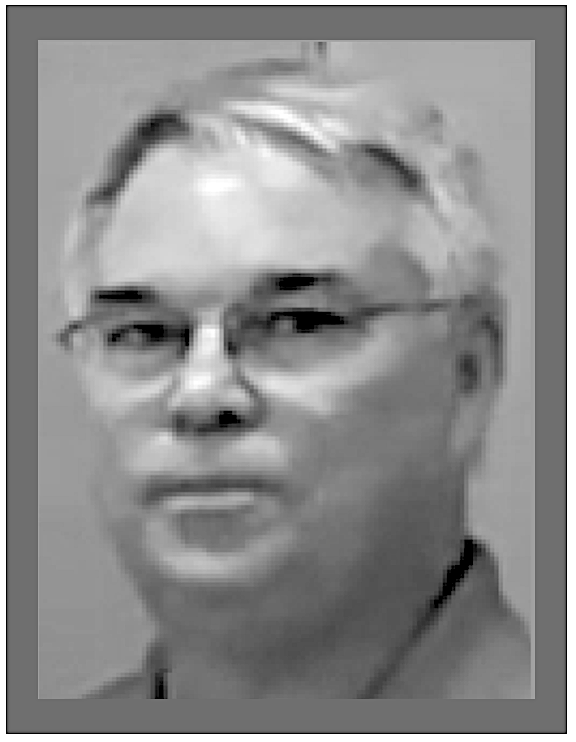
Bill Wofford was determined to be the Five Point Distilling’s first master distiller, and it was his job to assume responsibility for translating the group’s idea into a workable production system. He first brought in Vendome to create the distilling equipment, then the management team decided on wheat as its principal grain.