Alex Clark

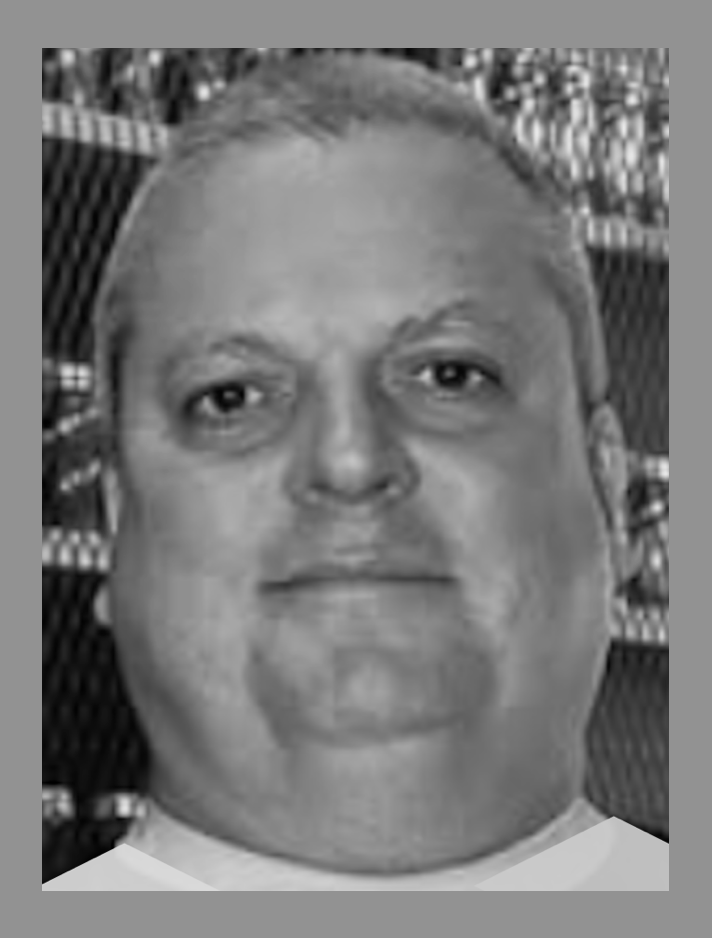
Alex Clark was born in 1974 in Camberwell, England. He grew up in South London during a period when British pub culture was strong and the global craft-spirits renaissance had not yet begun. Clark attended university in the United Kingdom before beginning a career in finance. After graduation he entered the highly competitive world of foreign-exchange trading, working as an exotic currency options broker in London. The profession offered financial rewards and prestige, but Clark later acknowledged that he found the work unfulfilling. The excitement of the markets could not compensate for a growing desire to pursue something more creative and tangible.
In 1998, at twenty-four years of age, Clark moved to New York City. The city was entering a period of dramatic cultural change, and opportunities existed for ambitious newcomers willing to reinvent themselves. For Clark, the move represented a decisive break from his previous career. While many expatriates would have remained in finance, he gradually shifted toward hospitality and nightlife, industries that allowed him to engage directly with people and with the emerging culture of craft cocktails.
During the late 1990s and early 2000s, Clark became involved in New York’s nightlife scene as a professional DJ. The work immersed him in the city’s creative culture and introduced him to many of the personalities who would shape the cocktail revival of the new century. At the same time, he began working behind bars and developing an increasingly sophisticated understanding of spirits. This period proved pivotal. Rather than viewing whiskey merely as a product, Clark became fascinated by its history, production methods, and cultural significance. A particularly important influence was the circle surrounding legendary bartender Sasha Petraske, whose bars helped ignite the modern craft-cocktail movement. Clark worked within that community and absorbed its emphasis on historical authenticity, technique, and ingredient quality. Through bartending Clark discovered a growing passion for classic American cocktails, many of which were originally built around rye whiskey rather than bourbon. That realization would eventually shape his entire career.
As his interest in spirits deepened, Clark moved from serving whiskey to helping produce it. He became involved with the launch of Widow Jane Distillery, one of Brooklyn’s most influential modern distilleries. Working there provided firsthand experience in building a whiskey brand, developing products, and navigating the challenges of small-scale distilling. Widow Jane achieved considerable success, and Clark enjoyed his role in helping establish the brand during its formative years.
After Widow Jane changed ownership, Clark left the company. Rather than immediately launching another distillery, he returned to bartending while considering his next move. During this period he began developing an idea that would become Fort Hamilton Distillery. He believed that American whiskey drinkers had largely forgotten the importance of rye whiskey, particularly the distinctive styles once produced in New York and Pennsylvania before Prohibition. While bourbon dominated the market, Clark became convinced that rye had been America’s original whiskey and deserved renewed attention.
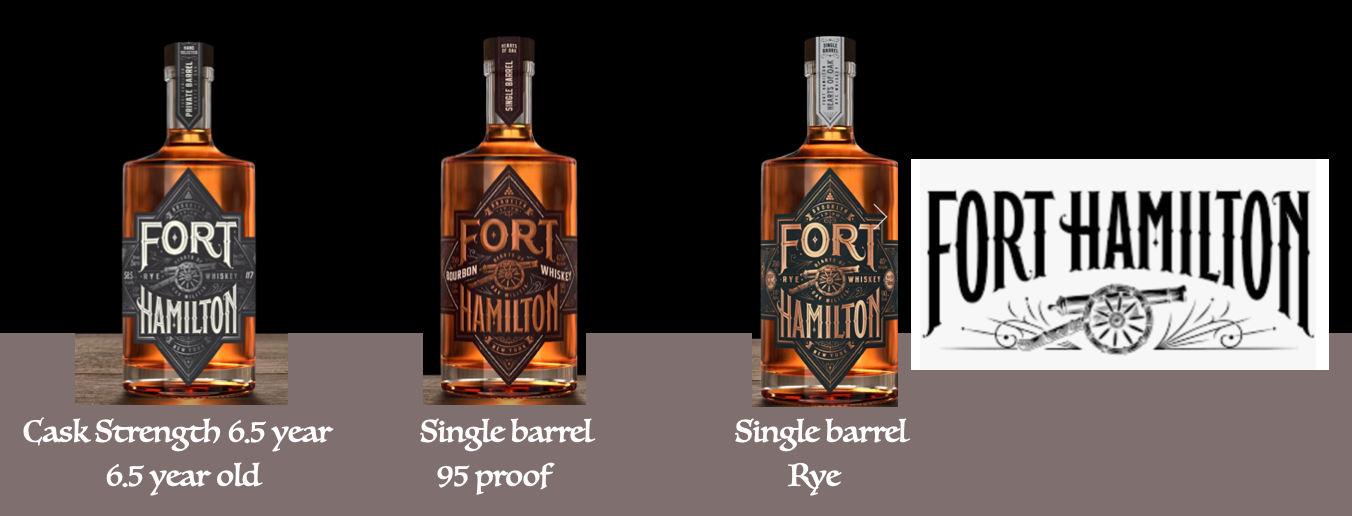
The project became a family enterprise. Clark partnered with his wife, Amy Grindeland, who shared his enthusiasm for hospitality and spirits. Amy brought years of customer-service experience, including a career as a flight attendant, while Clark contributed his bartending background, whiskey knowledge, and production expertise. Together they created a business that reflected both historical research and contemporary cocktail culture. Thus Fort Hamilton Distillery was launched in 2016. The name came from Brooklyn’s historic Fort Hamilton, itself named after Alexander Hamilton. Clark later explained that the idea emerged during late-night subway rides home from bartending shifts. After rejecting numerous potential brand names, he repeatedly encountered the Fort Hamilton station and began researching the location’s Revolutionary War history. The connection between New York history and a revival of historic American whiskey proved too compelling to ignore.
From the beginning, Clark sought to recreate a style of whiskey that had largely disappeared. Fort Hamilton’s flagship rye whiskey was deliberately formulated with 90 percent rye and 10 percent malted barley, omitting corn entirely. Clark believed that this mash bill more closely reflected historic northeastern rye whiskey than modern Kentucky-style ryes. He also embraced smaller barrels and production methods intended to evoke earlier periods of American distilling. His goal was not merely to sell whiskey but to revive a lost regional tradition.
Yet building a distillery required persistence. Early production relied on contract distilling relationships in New York State while the company developed its own facilities. Clark and Grindeland steadily expanded distribution, focusing primarily on New York rather than pursuing rapid national growth. Their strategy emphasized restaurants, cocktail bars, and local consumers who appreciated the historical narrative behind the brand. Over time, Fort Hamilton evolved from a startup operation into one of New York City’s notable independent whiskey producers in its own right.
Today, Alex Clark stands as an example of the modern whiskey entrepreneur whose success was built not on inherited distilling traditions but on curiosity, historical research, and persistence. He arrived in New York as a financial trader, reinvented himself as a DJ and bartender, helped launch one influential distillery, and then founded another dedicated to restoring a forgotten style of American whiskey. Through Fort Hamilton Distillery, he has connected Brooklyn’s revolutionary past with the contemporary craft-spirits movement, helping ensure that New York rye once again has a place in the national whiskey conversation.
Sources:
Fort Hamilton Distillery official website, “Meet the Team”, forthamilton.com
Brooklyn Magazine,“Talking Wryly About Rye with…Alex Clark”, 22 May 2023, Brian Braiker, bkmag.com
Michael R. Veach, “Fort Hamilton Distillery”, 20 February 2023, bourbonveach.com
Whiskey Ring,“Fort Hamilton Distillery with Alex Clark and Amy Grindeland…”, David Levine, whiskeyinmyweddingring.com
Contributed by Tracy McLemore, Fairview Tennessee’