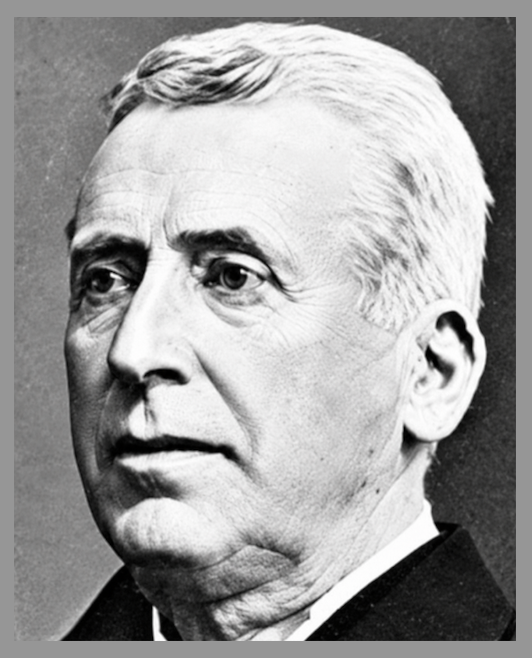
John Begg
In September 1848, a Highland whisky distiller named John Begg welcomed Queen Victoria, Prince Albert, and their three eldest children to his small distillery near Balmoral Castle in Aberdeenshire, Scotland. The royal visit marked an extraordinary moment in the history of Scotch whisky. Within weeks, Begg's distillery received a Royal Warrant, establishing an association with the British monarchy that would endure for generations. For a businessman who had established his operation only three years earlier, the recognition represented a remarkable achievement and helped establish Royal Lochnagar among Scotland's most distinguished distilleries.
John Begg had came from Aberdeen, although surviving published accounts provide little information about his childhood, parents, education, or early employment. His documented career begins in the mid-nineteenth century, when Scotland's whisky industry was undergoing substantial changes in production, taxation, and commercial organization. The Excise Act of 1823 had encouraged licensed distilling by reducing some of the financial burdens associated with legal production. Nevertheless, the transition from illicit whisky-making to regulated distilling proved particularly difficult in parts of the Highlands, including the district surrounding the River Dee.
The history of whisky production near Lochnagar preceded Begg's arrival. In the 1820s, James Robertson of Crathie attempted to establish a legitimate distilling business north of the River Dee. His first distillery was destroyed by fire, and subsequent operations suffered similar misfortunes. Historical accounts attribute some of these fires to opposition from illicit distillers who regarded licensed competitors as a threat to their livelihoods. Despite repeated attempts to establish a permanent operation, Robertson's ventures failed to achieve the lasting success that Begg would eventually accomplish.
In 1845, Begg established a new distillery on the Abergeldie Estate, south of the River Dee, near the mountain from which Lochnagar takes its name. Historical licensing records identify the original enterprise as Begg & Buyers, indicating that Begg initially operated with a business partner. The distillery was known as New Lochnagar, distinguishing it from the earlier establishments across the river. Its location placed the operation near Balmoral, an estate that would soon become closely associated with Queen Victoria and Prince Albert.
The royal couple took possession of Balmoral in 1848, establishing a Highland residence that would become an important part of the monarchy's Scottish identity. Begg recognized an opportunity to introduce his distillery to its distinguished new neighbors. Knowing Prince Albert's interest in machinery and engineering, he extended an invitation to visit the whisky works and observe its operations. The invitation was accepted, and on September 12, 1848, the royal party arrived at New Lochnagar.
The visit brought together two institutions that would become closely associated with Royal Deeside: the British monarchy and Scotland's whisky industry. Later historians have described the event as one of the earliest recorded examples of a distillery tour. Shortly afterward, Begg received authorization to supply whisky to the royal household, and his establishment acquired the distinction of Royal Lochnagar.
The Royal Warrant gave Begg something that ordinary commercial advertising could not provide: formal recognition from the monarchy. At a time when whisky producers were establishing identities beyond their immediate districts, royal association offered a powerful distinction. The designation also connected Begg's product with Balmoral and the growing public fascination with Queen Victoria's Highland residence. Royal Lochnagar consequently developed an identity extending beyond its modest production facilities and immediate geographical surroundings.
Begg continued operating the distillery long after the royal visit, yet in 1851, the partnership of Begg & Buyers was dissolved, leaving him in sole control of the enterprise. The business also developed commercial activities beyond malt distillation, including whisky blending in Aberdeen. By the time of Begg's death in 1880, the company had established the foundations of a business that would continue under his family and eventually become associated with an internationally-distributed blended Scotch whisky bearing his name.
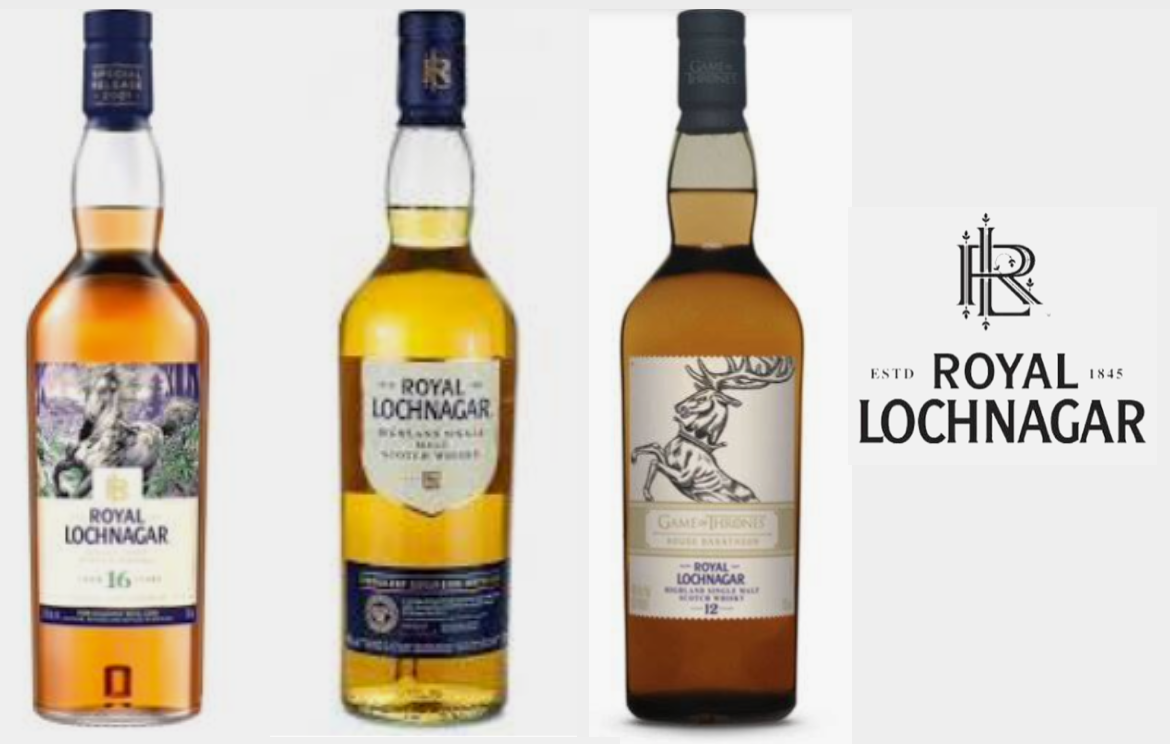
Following his death, ownership passed to his son, Henry Farquharson Begg, who continued the family enterprise. Henry maintained the business until his own death in 1896, after which its interests passed into a family trust. In 1902, the organization became a private limited company, ending the period of direct family ownership. Four years later, the distillery underwent substantial rebuilding, while the company's blending and bottling operations were transferred to Glasgow. The business entered another phase in 1916 when John Dewar & Sons acquired John Begg Ltd. and Royal Lochnagar. Subsequent corporate changes brought the distillery into the Distillers Company Limited organization and, eventually, the ownership structure that became Diageo. The John Begg name survived as a blended Scotch whisky brand, marketed under the memorable slogan, "Take a Peg of John Begg." Its expressions eventually included Blue Cap, Gold Cap, and a deluxe 12-year-old blend, although the brand disappeared from the company's portfolio during the late twentieth century.
Royal Lochnagar itself continued producing Highland single malt whisky. Its relatively small scale distinguished it from the larger industrial distilleries that came to dominate Scotch production. The distillery retained traditional production characteristics, including an open mash tun, and its whisky became known for a balanced character featuring malt sweetness, butterscotch, and toffee notes. Its association with the monarchy also endured, with the distillery receiving another Royal Warrant in 2022.
John Begg’s enduring distinction rested on establishing a successful Highland distilling enterprise, developing a recognizable commercial identity, and then securing royal recognition at a formative moment in the Victorian era. Nearly two centuries after its establishment, Royal Lochnagar continues operating near Balmoral, preserving the connection between its founder's nineteenth-century enterprise and the modern Scotch whisky industry.
Sources:
Difford's Guide, “Royal Lochnagar Distillery: History”, diffordsguide.com
Diageo, “Discover Royal Lochnagar Whisky,”, malts.com
VisitScotland, “Secret Malts of Aberdeenshire”,visitscotland.com
Contributed by Tracy McLemore, Fairview, Tennessee USA