Don Davies


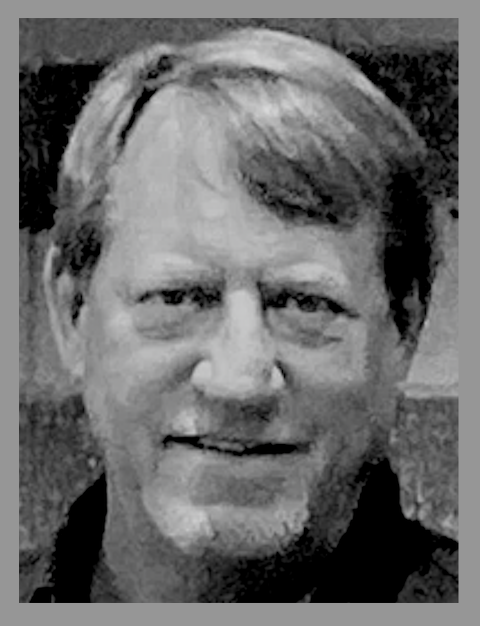
Don Davies is a native Floridian, a child of the 1980s, who was raised in Indiantown. Davies spent his most memorable childhood summers at Lake June before becoming a permanent resident of the Lake Placid area as an adult distiller. By that point, he had brought substantial practical experience to his venture, including work in fertilizer operations, production, transportation and purchasing. He had also owned a bar and restaurant and understood the marketing of retail products in general and spirits in particular.
In 2017, Davies built Sugar Sand Distillery on land that had already taught his family a difficult lesson about Florida agriculture. The ten-acre property on Henscratch Road near Lake Placid had once been a citrus grove, but citrus greening disease devastated its trees. Rather than abandon the land or remove it from agricultural use, Davies and his wife, Jessica Giffin, began searching for another purpose for the property. The idea that sugarcane might offer a productive alternative to citrus arose. The Davies’ figured that converting its juice into rum presented a way to unite farming with manufacturing and hospitality. A few days later, they began experimenting with mash, fermentation and small-scale distillation. Friends and relatives praised the results and asked for more, prompting Davies to study the expanding American craft-distillery business. Still, creating a licensed distillery required far more than successful experiments. The planning, planting, permitting, equipment installation, mashing and bottling process occupied approximately fifty-three weeks before the public opening. Davies also worked with Highlands County Economic Development and used Florida’s sales-and-use tax exemption for manufacturing machinery and equipment. Sugar Sand opened for tours and tastings on April 7, 2018, and sold all its available bottles during the soft opening.
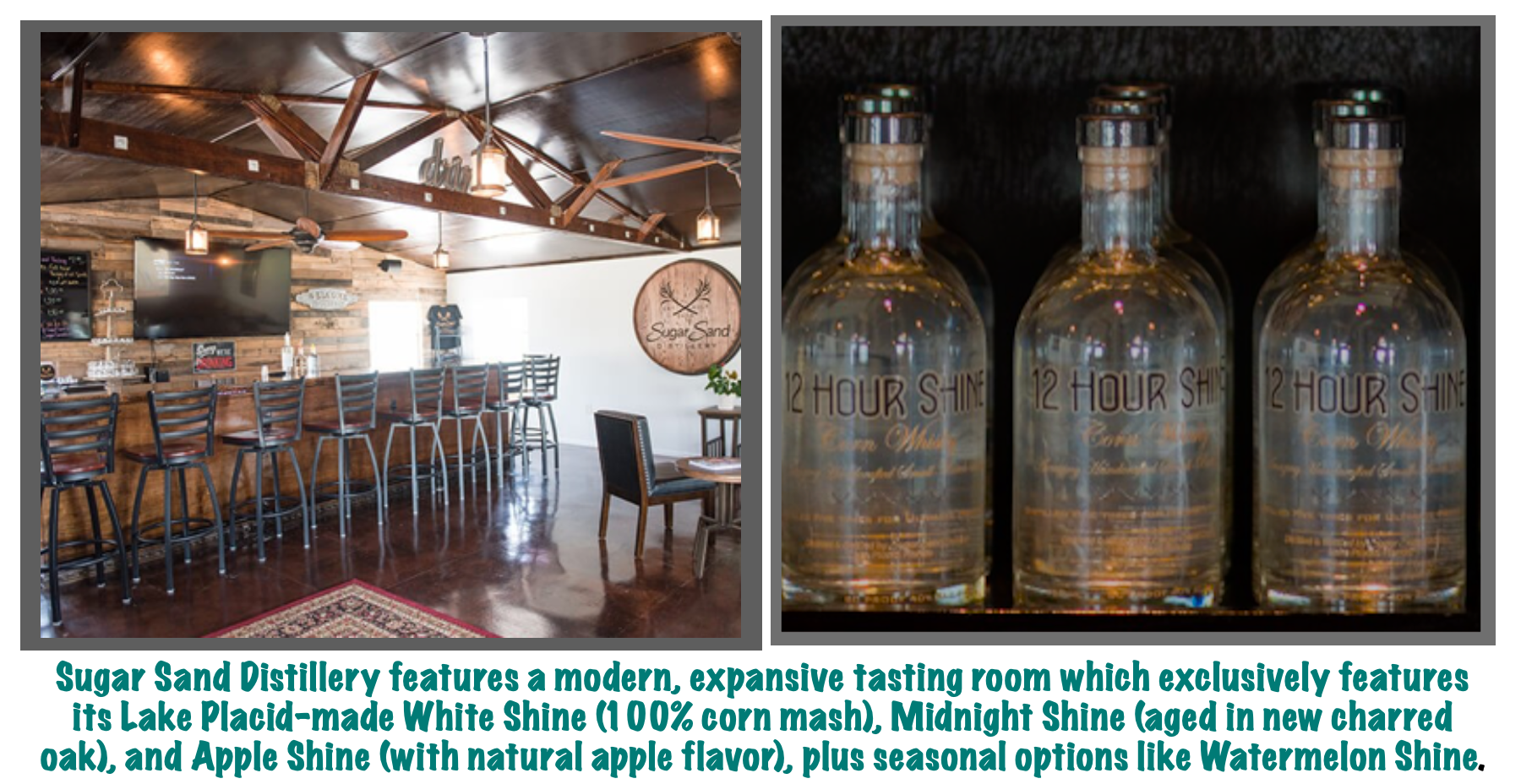
Although Sugar Sand’s cane-to-rum process became its most distinctive agricultural feature, Davies also developed grain-derived spirits. The distillery’s central grain product is 12 Hour Shine, made from a corn mash. Its name refers to the rapid path of unaged spirit rather than a conventional period of barrel maturation. The clear White Shine is bottled as a corn-mash moonshine, while Apple Shine combines the same base spirit with natural apple flavoring. Midnight Shine carries the corn spirit into whiskey territory. Davies fills new charred-oak barrels with the distillery’s corn-mash spirit and allows the wood to transform the clear distillate into an aged expression. The barrel contributes color, body and flavors associated with American whiskey. Sugar Sand describes the result as aged 12 Hour Shine rather than placing a bourbon designation on the label, even though the company has promoted it as a bourbon-like drink and recommended it for cocktails ordinarily made with bourbon.
That distinction is important to understanding Davies’s grain program. Sugar Sand does not present itself chiefly as a conventional bourbon house with large warehouses and extensive age statements. Instead, Davies makes corn spirit in the same small-batch, hands-on environment used for the farm’s other products, then offers it either unaged or matured in new charred oak. The operation emphasizes making its spirits from the beginning rather than purchasing finished whiskey from another producer.
The production system has remained deliberately small. Davies maintained that controlling each batch by hand mattered more than pursuing volume, and the distillery’s open-air setting placed visitors close to the equipment and to the working farm. The business grew around tours, tastings, bottle sales, live entertainment and special events, making agritourism part of the economic model. Guests could see the land, equipment and production process instead of encountering the spirits only as finished bottles on a retail shelf.
Sugar Sand gradually widened its reach beyond the farm. By early 2020, its rum, vodka and moonshine were appearing in restaurants, bars and retailers around Highlands County. Davies described that expansion as part of the larger farm-to-table movement, connecting locally produced spirits with local establishments. The company later added a second tasting location at The 301 in nearby Sebring, while the original Henscratch Road property continued operating as the center of farming and distillation. By 2025, Sugar Sand was growing cane on approximately four acres of the former ten-acre citrus grove and producing whiskey and five other spirits. As such, Davies’s achievement lies in the connection he established among damaged citrus land, sugarcane agriculture and small-batch distilling. Sugar Sand’s corn-mash White Shine and oak-aged Midnight Shine give grain spirits a permanent place in the business. From the name on the sign to the corn mash in the still and cane growing outside the tasting room, the company reflects the materials and conditions of its beautiful central Florida home.
Sources:
Sugar Sand Distillery official website, sugarsanddistillery.com
Floridiana Magazine, “Sugar Sand Distillery, Lake Placid, Florida”, September 1, 2018, yourcommunitypaper.com
Solo Travel Girl, “Florida Travel…Sugar Sand Distillery in Lake Placid”, Jennifer Huber, November 11, 2019, sugarsanddistillery.com
Highlands News-Sun, “Good Times, Spirits”, Kim Leatherman, 2018, sugarsanddistillery.com
Contributed by Tracy McLemore, Fairview, Tennessee