


Evan Williams

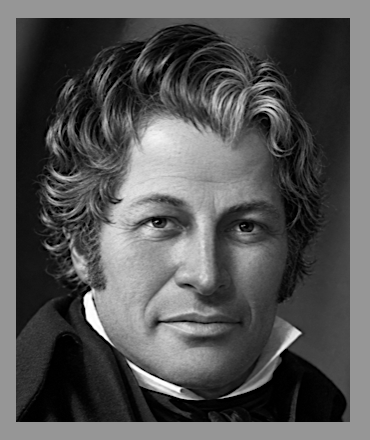
Evan Williams was born in 1755 in Dale, Wales, Pembrokeshire, a quaint coastal village in the southwestern area of the United Kingdom. Little is known of his parents or early life, but Williams emigrated from Wales to America during the period surrounding the nation's independence. Kentucky was then part of Virginia, and settlements along the Ohio River were developing into important centers of frontier commerce. Louisville, founded in 1778 and named in honor of France's King Louis XVI, occupied a strategically important position near the Falls of the Ohio. The river provided transportation for settlers, agricultural products, manufactured goods, and other commodities moving through the expanding western territories.
The establishment of commercial whiskey production became an important part of Kentucky's early agricultural economy. Farmers cultivated corn and other grains, and almost always produced more than they could effectively utilize, so distillation offered a means of converting the produce into a commodity suitable for storage, transportation, and sale. Whiskey could be traded locally or shipped to markets beyond the immediate settlement. This relationship between grain cultivation and commercial distillation eventually became one of the defining characteristics of Kentucky's whiskey industry.
When Williams was in his late 20s, he became associated with the establishment of a commercial distillery along the Ohio River, near what is now Sixth and Main Streets in downtown Louisville. His distillery is recognized in Heaven Hill's historical account as Kentucky's first commercial whiskey operation. The early distillery associated with Williams was situated in an area that would become central to Louisville's whiskey trade. Distilling required access to grain, water, equipment, and transportation, all of which contributed to the development of commercial production along the Ohio River. The copper pot stills commonly used by early American distillers were substantially different from the large continuous stills that eventually transformed bourbon manufacturing. Williams belonged to the generation of entrepreneurs whose commercial activities preceded the industrial expansion of Kentucky whiskey production during the nineteenth century.
Yet Williams was also more than a whiskey producer. He worked in several commercial and civic capacities during Louisville's formative years, including construction and public administration. His activities included building the community's early county clerk's office and jail, facilities essential to the administration of local government. These undertakings placed him among the businessmen who helped establish the physical and administrative infrastructure of the growing settlement. His participation in public affairs extended to service as an early trustee of Louisville. In 1797, Williams was appointed the city's first wharfmaster, a position connected directly to the commercial importance of the Ohio River. The wharfmaster supervised activities associated with riverfront commerce and the movement of goods through the landing facilities. Therefore, Williams’ business and civic activities connected two important elements of Kentucky's early development: whiskey production and river commerce. As Kentucky's population increased, the region's grain production and distilling enterprises expanded alongside its commercial infrastructure. The city's eventual emergence as a major center of the American whiskey trade developed from these early economic foundations.
Details concerning Williams's later personal life, such as wife, children, or activities beyond those mentioned remain limited. He died on October 15, 1810, when he was just 55 years of age. Williams's association with Kentucky whiskey survived long after his death, but the bourbon bearing his name today is a modern creation rather than a continuation of his original business. In 1935, the Shapira family and other investors established Heaven Hill Distillery in Bardstown, Kentucky. The company developed into one of America's leading independent whiskey producers, drawing upon Kentucky's established distilling traditions and the expertise of experienced bourbon-making families.
In 1957, Heaven Hill introduced Evan Williams Kentucky Straight Bourbon Whiskey, selecting the pioneer distiller's name for what became one of its most successful products. The brand developed a reputation for offering traditional Kentucky bourbon at an accessible price. Its growth established Evan Williams as a major American whiskey label, eventually making it the world's second-largest-selling bourbon brand. The modern whiskey is produced using Heaven Hill's distilling operations and has no documented production continuity with Williams's original enterprise.
In 2013, Heaven Hill strengthened the connection between the historical distiller and modern bourbon production by opening the Evan Williams Bourbon Experience at 528 West Main Street in downtown Louisville. The attraction occupies a building near the site traditionally associated with Williams's original operation and incorporates a functioning artisanal distillery. Its copper stills, historical exhibits, and whiskey tastings introduce visitors to Kentucky's early distilling history and the development of Louisville's Whiskey Row. The facility also became an official destination on the Kentucky Bourbon Trail.
More than two-and-a-quarter centuries after his lifetime, Evan Williams remains one of the most recognizable names associated with Kentucky bourbon. His historical importance extends beyond the distillery traditionally credited to him, encompassing his service in Louisville's early government and his contributions to the city's commercial development. Heaven Hill's decision to honor him in 1957 transformed the name of an eighteenth-century entrepreneur into an internationally recognized bourbon brand. Today, the Evan Williams name connects Kentucky's frontier distilling heritage with one of the American whiskey industry's most enduring commercial successes.
Sources:
Heaven Hill Brands, “Heaven Hill Announces Plans for Evan Williams Bourbon Experience”, April 26, 2012, heavenhill.com
Historical Marker Database, “Evan Williams: 1755–1810”, historical marker erected by Heaven Hill Distilleries in 2014, hmdb.org
Evan Williams Bourbon official website, evanwilliams.com
Heaven Hill Distillery, “Evan Williams Bourbon Experience Celebrates 10 Years”, 2023, heavenhilldistillery.com
The State of Bourbon: Exploring the Spirit of Kentucky, “The State's First Bourbon Distillery”, University Press of Kentucky, jstor.org
Distillery Trail, “Evan Williams Bourbon Experience 10-Year-Old Distillery Fills and Bungs Its 2,000th Barrel”, April 7, 2023, distillerytrail.com
Above is an AI-generated image of what Evan Williams may have looked like from a generally-accepted illustration based on facts known about his life.

Evan Williams 1783. Released in 1957 to commemorate Kentucky’s first commercial distillery.

Evan Williams Super Premium and Top Shelf line:
Evan Williams Vintage Single Barrel, Evan Williams 12-Year-old, and Evan Williams 23-year-old.