Alexander T. Farnsley

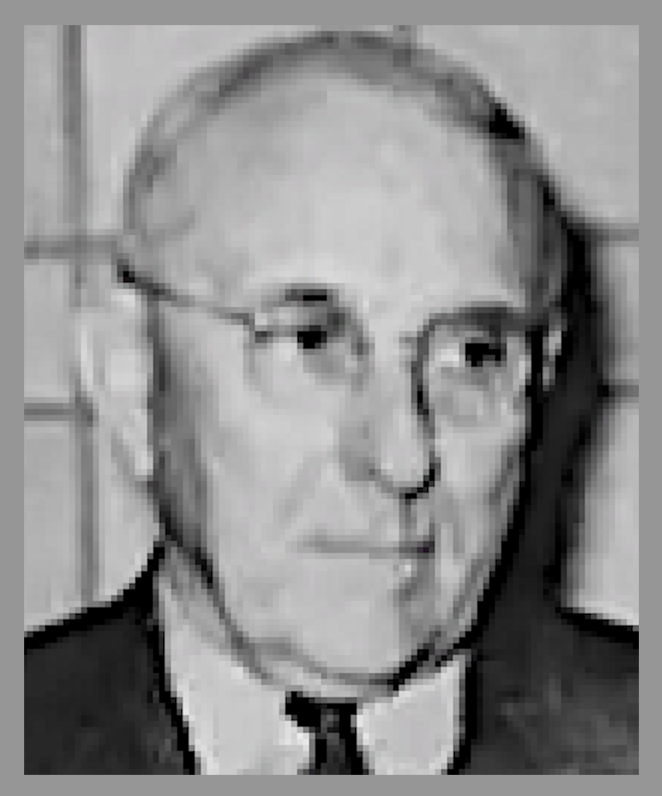
Alexander Thurman Farnsley seldom receives the attention accorded to other figures in the history of Kentucky bourbon, but without his steady leadership, one of America's most influential bourbon distilleries would likely never have existed. While “Pappy” Van Winkle became the public face of Stitzel-Weller Distillery and A.P. Stitzel provided the distilling expertise, Farnsley supplied the financial discipline and organizational ability that transformed an ambitious post-Prohibition vision into a successful enterprise. His influence eventually reached well beyond bourbon, extending into banking, real estate, civic affairs, and one of Louisville's most prominent political families.
Farnsley was born in Louisville, Kentucky, on February 9, 1869, the son of Alexander Pericles Farnsley and Mary Elizabeth Potter Farnsley. Although comparatively little has been published about his childhood and formal education, he grew up in a city whose fortunes were closely intertwined with the whiskey trade. Louisville's position on the Ohio River had made it one of the nation's leading wholesale liquor centers by the late nineteenth century, and ambitious young businessmen found abundant opportunities in the city's expanding commercial houses. During this time, Farnsley proved early on to possess an aptitude, not for making whiskey, but for selling it and building profitable businesses around it.
As a young man, he entered the employ of W. L. Weller & Sons, one of Louisville's most respected wholesale whiskey firms. There he met another ambitious salesman only five years his senior, Julian Proctor Van Winkle. The two men quickly developed both a professional relationship and a personal friendship that would endure for the remainder of Farnsley's life. Each complemented the other. Van Winkle possessed exceptional instincts for whiskey, marketing, and customer relations, while Farnsley demonstrated a keen understanding of finance, contracts, and business administration. Together they became among the company's most valuable representatives, traveling throughout Kentucky and neighboring states selling Weller bourbon to wholesalers and retailers.
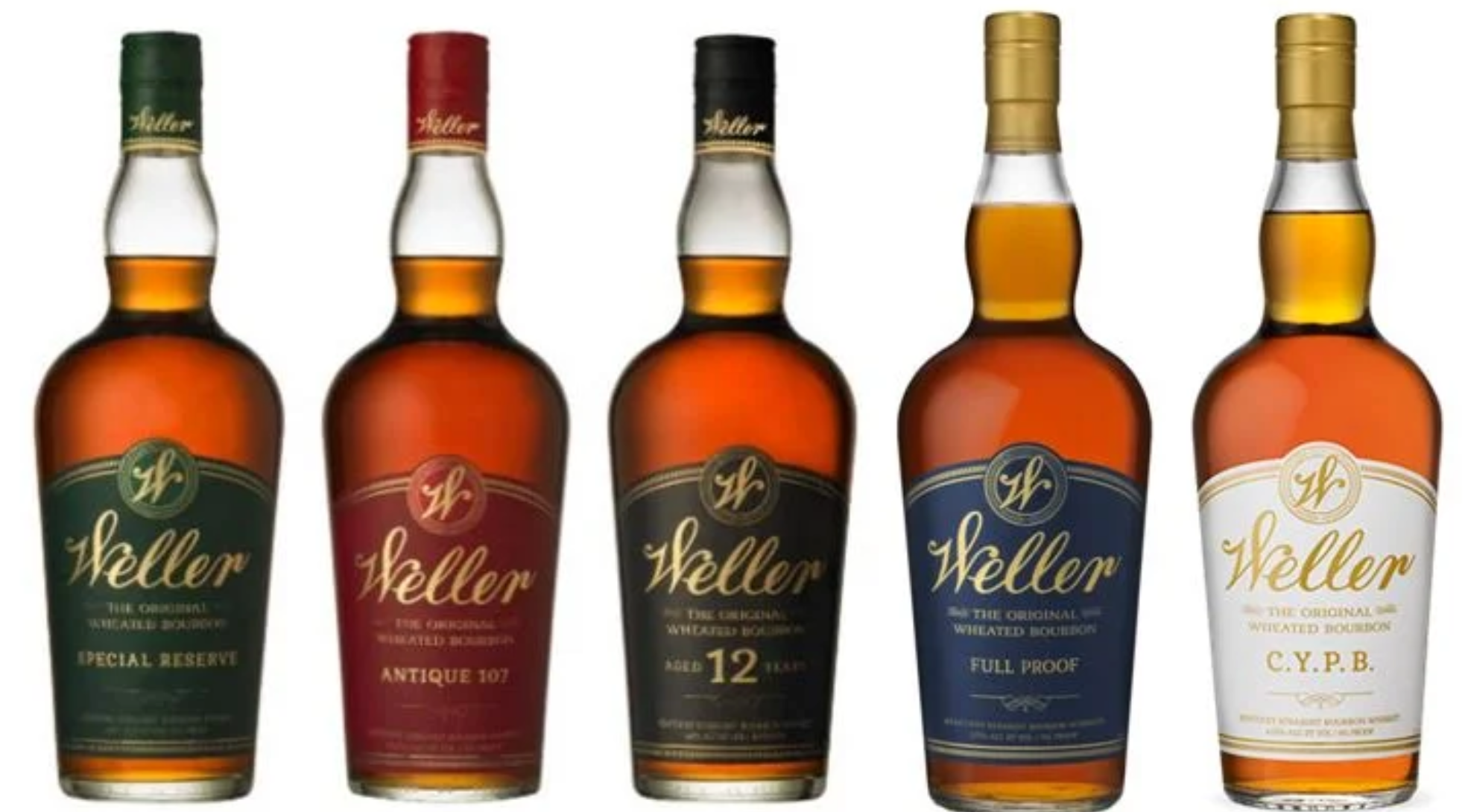
The death of William Larue Weller and subsequent changes in ownership created opportunities for the two salesmen. In 1909, Van Winkle and Farnsleyacquired control of W. L. Weller & Sons, assuming responsibility for one of Kentucky's most respected whiskey wholesalers. Rather than operating a distillery themselves, they purchased mature whiskey from established producers and marketed it under the Weller name. Among their principal suppliers was the A. Ph. Stitzel Distillery, whose reputation for quality bourbon fit perfectly with the standards Van Winkle and Farnsley wished to maintain. Their business relationship with Arthur Phillip Stitzel gradually evolved from customer and supplier into trusted partners.
The arrival of National Prohibition in 1920 fundamentally altered every aspect of the American whiskey business. Like many established firms, W. L. Weller & Sons survived largely through the sale of medicinal whiskey permitted under federal license. The years were financially difficult, yet Farnsley helped steer the company through one of the industry's greatest crises. His conservative financial management enabled the firm to preserve valuablebrands, maintain important business relationships, and position itself for the day when legal distilling returned. That patience proved invaluable when the Twenty-first Amendment repealed Prohibition in December 1933.
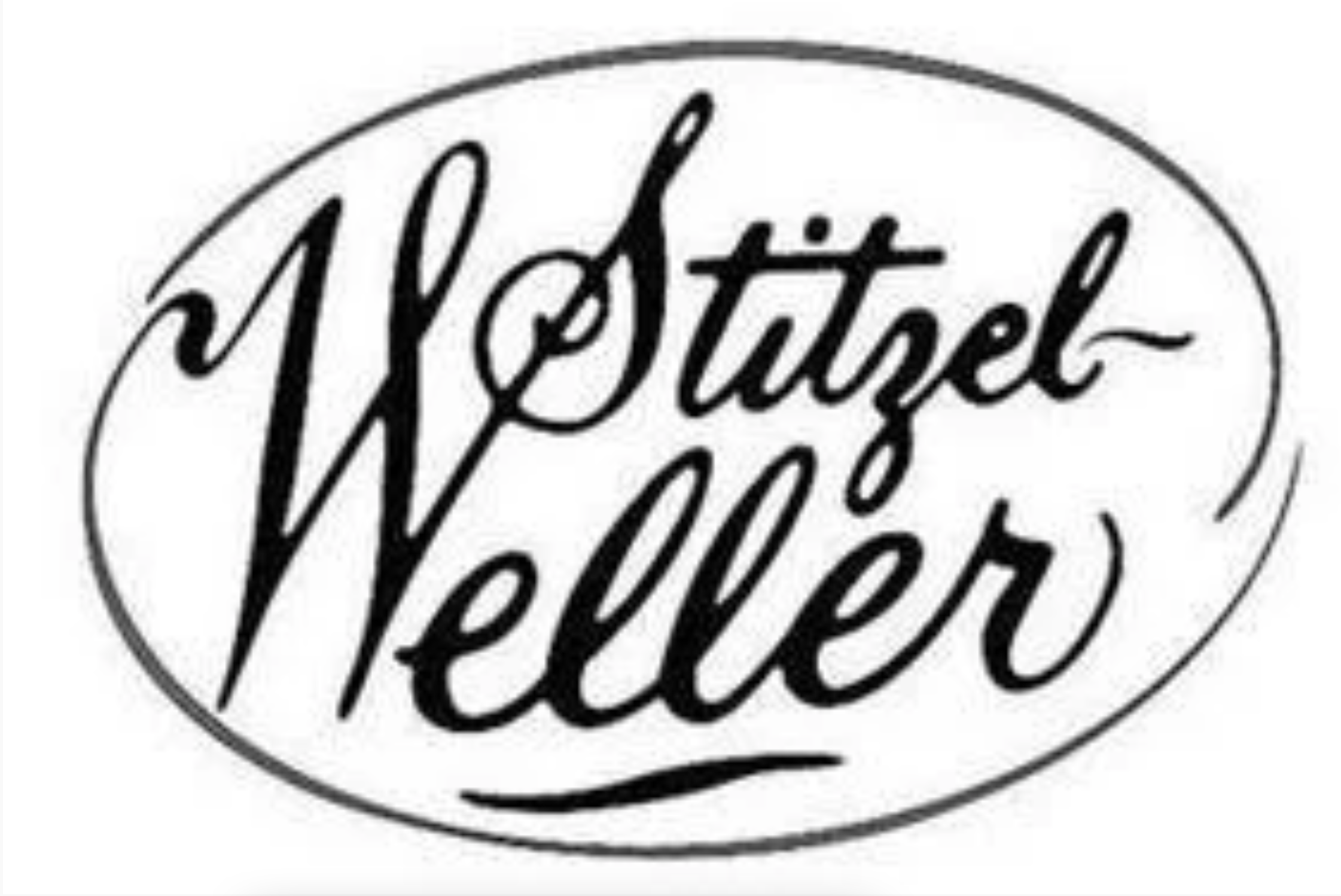
With repeal came an opportunity far greater than simply resuming old operations. Van Winkle, Farnsley, and Arthur Phillip Stitzel decided to merge their respective interests into an entirely new enterprise. The three men combined the respected W. L. Weller wholesale organization with the Stitzel distilling operation, creating the Stitzel-Weller Distilling Company. Although Van Winkle became president and Stitzel directed production, Farnsley assumed the office of vice president while providing much of the financial structure that made the project possible. More than simply investing capital, he helped assemble the resourcesnecessary to build an entirely new distillery at Shively, southwest of Louisville.
Construction proceeded rapidly, and on Kentucky Derby Day in May 1935, the new distillery officially opened its gates. It immediately distinguished itself with an imposing entrance and the famous sign proclaiming "No Chemists Allowed," reflecting the founders' belief that whiskey making remained an art as much as a science. The facility produced celebrated brands including Old Fitzgerald, W. L. Weller, Rebel Yell, Cabin Still, and numerous others that would later become some of the most admired bourbons in American history. Visitors automatically and naturally associated the enterprise with the colorful Van Winkle, yet the company's financialstability rested largely upon Farnsley's careful oversight and business judgment.
Farnsley’s influence also extended into Louisville's broader business community. Throughout his career he became known as a successful investor, businessman, and civic leader whose judgment was sought in numerous commercial ventures. The Farnsley family itself would remain deeply involved in Louisville public life. His nephew, Charles Rowland "Charlie" Farnsley, later served as mayor of Louisville and subsequently represented Kentucky in the United States House of Representatives. The family's prominence reflected a longstanding tradition of civic involvement that Alex Farnsley had helped establish through decades of respected business leadership.
Unlike Van Winkle, whose public personality became closely associated with the brands he sold, Farnsley generally remained behind the scenes. Consequently, his contributions have often been overshadowed in bourbon history by those whose names appeared more frequently in advertising or who spent their careers supervising production. Yet many historians of Stitzel-Weller acknowledge that the partnership succeeded precisely because each founder contributed distinct strengths: Stitzel supplied technical expertise, Van Winkle guided marketing and operations, and Farnsley furnished the financial leadership that allowed the company to flourish.
Alexander Thurman Farnsley died on October 28, 1941, only six years after the opening of the distillery that became his greatest business achievement. He was buried in Louisville's historic Cave Hill Cemetery, where many of Kentucky's most significant whiskey figures also rest. His death left Van Winkle and Stitzel to continue the enterprise, although Stitzel himself would die less than six years later. Thereafter, Julian Van Winkle, by then known commonly as “Pappy,” guided the company alone, but he did so upon a foundation that Alex Farnsley had helped create.
Sources
Sipping History, “History of Stitzel-Weller Distillery”, May 9, 2022, sippinghistory.com
Buffalo Trace Distillery official website, buffalotracedistillery.com
The Filson Historical Society, “Van Winkle Family Films, ca. 1934–1935, 1947–1952”, filsonhistorical.org
Distillery Trail, “A Day on the Trail…Cave Hill Cemetery, Part 2”, 2017, distillerytrail.com
Contributed by Tracy McLemore, Fairview, Tennessee