Peter Lavery

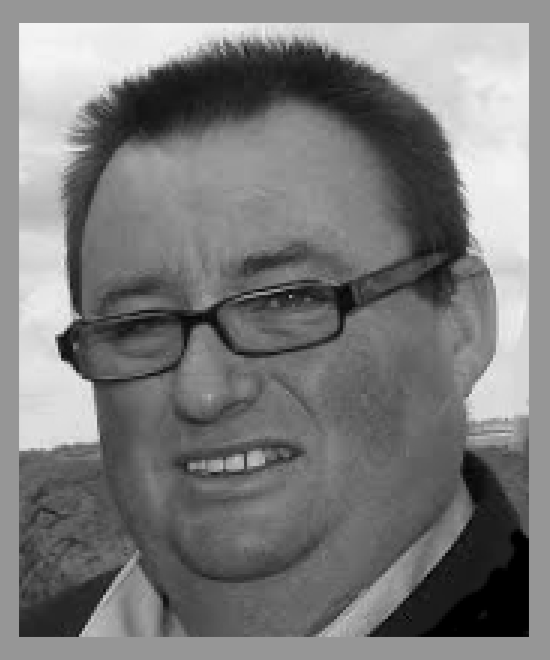

Peter Martin Lavery was born in December 1961 and grew up in the Short Strand area of East Belfast, Northern Ireland. His journey from working-class bus driver to multimillionaire businessman and founder of Titanic Distillers became one of the more unusual success stories in modern Irish whiskey. His involvement in the industry ultimately helped restore commercial whiskey distilling to Belfast after an absence of nearly 90 years.
Lavery spent his early working life driving buses in Belfast, earning approximately £300 a week. On May 18, 1996, his circumstances changed dramatically when he won £10.2 million in the United Kingdom's National Lottery. He became one of Northern Ireland's most celebrated lottery winners, attracting considerable public attention as a former bus driver who had suddenly acquired an extraordinary fortune. Rather than immediately abandoning his employment, he returned to work the following day.
The lottery windfall gave Lavery the financial resources to pursue business interests that would eventually include Irish whiskey. His early purchases included a DeLorean sports car, the distinctive gull-winged automobile manufactured in Northern Ireland during the early 1980s. He subsequently developed commercial interests in whiskey branding and distribution, establishing a connection with an industry that had once been central to Belfast's manufacturing economy.
Belfast had been an important center of Irish whiskey production during the nineteenth and early twentieth centuries. Distilleries such as Dunville's helped establish the city's reputation for producing whiskey, but changing economic circumstances contributed to the industry's decline. By 1936, commercial whiskey distilling had effectively disappeared from the city. Lavery became interested in restoring that tradition and developing whiskey brands associated with Belfast's history and identity.
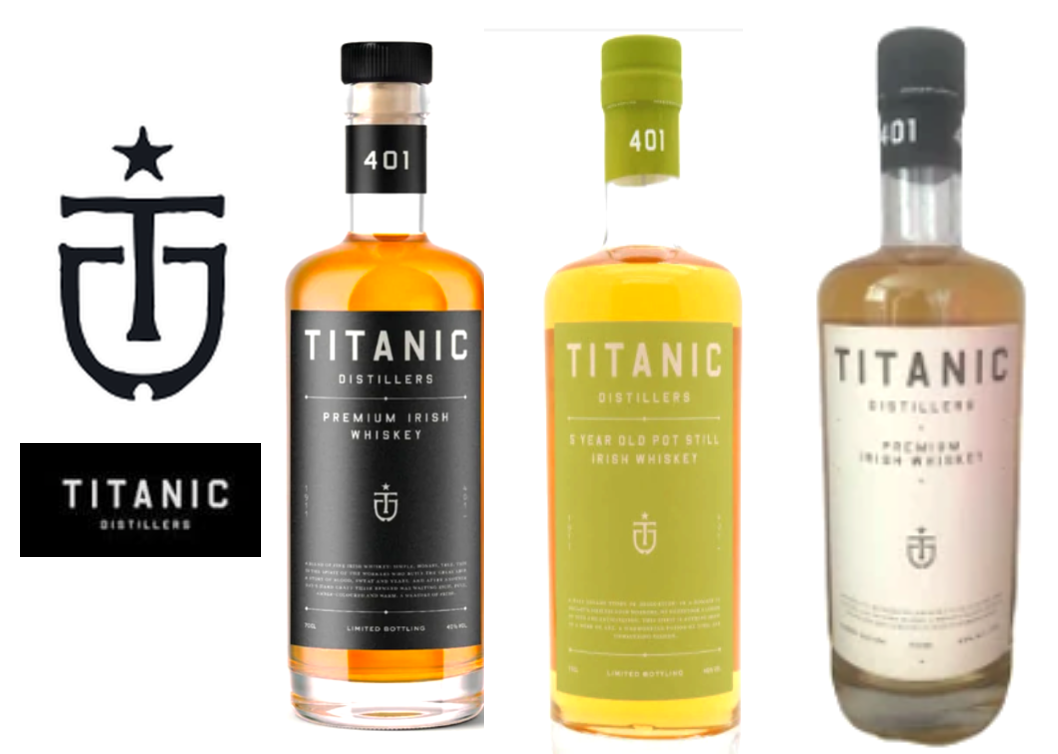
Among his early ventures was Danny Boy Irish Whiskey, a brand drawing upon one of Ireland's best-known traditional songs. He also developed Titanic Irish Whiskey, connecting the product with Belfast's internationally-recognized shipbuilding heritage. These early brands relied upon whiskey sourced from Cooley Distillery rather than spirit produced in Lavery's own facilities. The arrangement allowed him to participate in the whiskey industry while pursuing the more ambitious objective of establishing a working distillery in Belfast.
By 2012, Lavery had become involved in plans to transform part of the former Crumlin Road Gaol into a whiskey distillery. The following year, he publicly promoted a proposed £5 million investment through the Belfast Distillery Company. The development was intended to introduce whiskey production into a historic Belfast building while creating an additional attraction for visitors. Although planning permission was obtained in 2013, the original project encountered delays and did not proceed under Lavery's leadership as initially envisioned.
The Crumlin Road Gaol project subsequently passed to a group of American investors, who acquired the Belfast Distillery Company's assets and pursued the redevelopment independently. Their undertaking eventually became the home of McConnell's Irish Whisky, which opened its distillery in April 2024. Lavery, meanwhile, concentrated on another historic Belfast location, the Thompson Dock and Pumphouse in the city's Titanic Quarter. This development became the foundation of Titanic Distillers.
The Thompson Dock and Pumphouse originally opened in 1911 to service the great White Star Line ocean liners Olympic and Titanic. Lavery and his fellow investors transformed the protected industrial building into a modern distillery while preserving its original pumping machinery and architectural features. Three copper pot stills manufactured by Forsyths of Scotland were installed on a mezzanine overlooking the historic Gwynne pumping engines. The project combined whiskey production, industrial preservation, and tourism within one of Belfast's most recognizable maritime landmarks.
Titanic Distillers welcomed its first visitors on April 28, 2023, and began whiskey production in August of that year. Lavery participated in the ceremonial first distillation, marking the return of whiskey production to Belfast after almost nine decades. The distillery introduced visitors to both the production of Irish whiskey and the industrial history of the Titanic Quarter. Its development also established a new commercial connection between Belfast's whiskey-making past and its growing tourism industry.
In June 2026, the still-unmarried Lavery reflected publicly on his transformation from bus driver to whiskey entrepreneur during an interview for the In Good Company podcast. Thirty years after his lottery victory, he remained closely-associated with Titanic Distillers and the revival of Belfast whiskey production. His achievement extended beyond creating a whiskey brand; he had helped return an industry to a city where commercial distilling had been absent for generations. The restored Thompson Dock and Pumphouse stands as the most visible expression of that accomplishment.
Sources:
The Irish Times, “Whiskey in the Jail”, Gerry Moriarty, July 27, 2013, irishtimes.com
The Spirits Business, “Delayed Belfast Distillery Project Gets Green Light”, Nicola Carruthers, March 18, 2021, thespiritsbusiness.com
Drinks Ireland, “Irish Whiskey Returns Home to Belfast with Titanic Distillers”, May 17, 2023, ibec.ie
RTÉ News, “Whiskey Production Back in Belfast After 90 Years”, August 17, 2023, rte.ie
Belfast Telegraph, “Whiskey Business: Belfast Lotto Winner…Realizing His Distillery Dream”, Christopher Woodhouse, September 10, 2023, belfasttelegraph.co.uk
The Spirits Business, “McConnell’s Opens Belfast Whiskey Distillery”, April 2024, thespiritsbusiness.com
Belfast Telegraph, “How NI’s Most Famous Lottery Winner…a Belfast Tourist Draw”, Margaret Canning, June 30, 2026, belfasttelegraph.co.uk
Contributed by Tracy McLemore, Fairview, Tennessee USA