Jeff McCarthy


Jeff McCarthy was born on August 11, 1965 and raised in the tiny town of Harvard, Illinois. That local identity was not window dressing for marketing copy, it was the foundation of the partnership that formed Rush Creek Distillery. When the distillery’s co-owners later described their origin, they emphasized that they were friends before they were business partners. The company they built, therefore, was never just a production floor; it was designed to be a gathering place made to feel like an extension of the community.
Yet McCarthy’s first career took him far from McHenry County. He served in the U.S. Air Force and worked as a mechanic. It was hands-on, systems-minded work that rewarded precision and punished shortcuts. By the time he came back to civilian life, he had the combination that craft distilling quietly demands: comfort with equipment, process discipline, and the patience to troubleshoot until a system runs the way it should. During those Air Force years, McCarthy’s interest in distilling had also developed into something practical, so he didn’t wait for a commercial venture to learn the craft. He built his own equipment and got to work, and friends later recalled that the idea of a microdistillery wasn’t just a hypothetical business concept, it had already taken shape in McCarthy’s garage. It was there that a series of homemade stills produced spirits he would share at parties and family get-togethers. That detail captures something essential about his role in the company: for McCarthy, distilling wasn’t a brand strategy, it was a practiced skill and a long-running obsession.
Discussions about formally opening a distilling venture began in late 2014, when McCarthy, Mark Stricker, his brother Todd Stricker, and former Harvard mayor Jay T. Nolan began considering the opportunity. The men, whose families had known one another for generations, initially considered developing a wedding venue or microbrewery before settling on a craft distillery. By the summer of 2015, their plans had taken shape. Their vision centered on producing handcrafted spirits using locally grown grains and water from the Rush Creek watershed, while establishing a business that would contribute to Harvard's economy. However, Rush Creek’s early build-out tested its founders’ stamina. They wanted American-made equipment, but delivery delays slowed the timeline and stretched what they thought would be a straightforward launch into a grind of waiting and planning around the missing pieces. When the stills finally arrived, it was the kind of milestone that turns a “someday” project into an operating facility. By the summer of 2017, they were receiving major equipment, including a new still, and pushing toward opening.
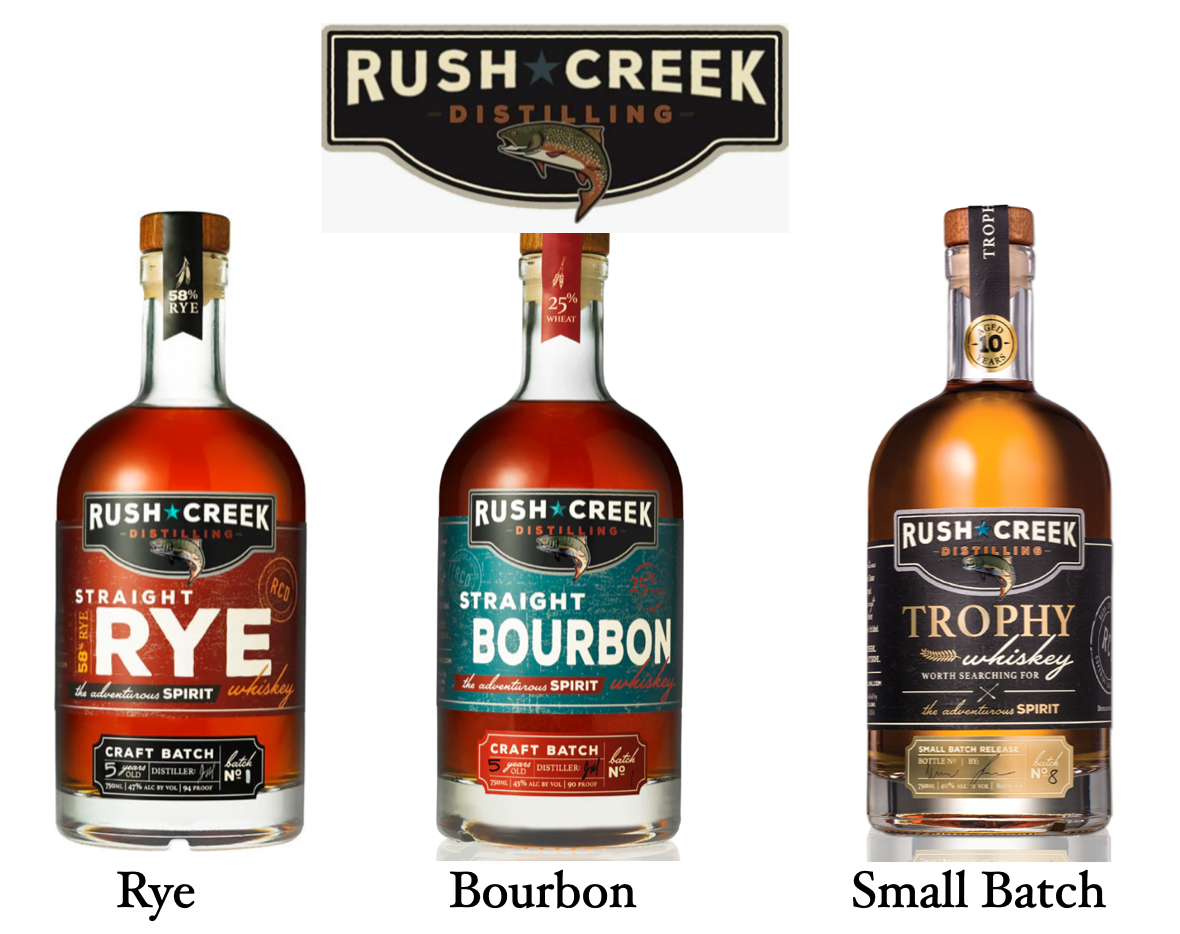
Finally, Rush Creek Distilling opened on Labor Day in 2017, immediately establishing itself in a sizable facility in Harvard—large enough to signal ambition, but still positioned as a craft operation that would do things the hard way when “the hard way” meant better flavor. The plant highlighted an 11,500-square-foot operation that included a gift shop and tasting room, along with a large distilling area built for real production rather than symbolic “tour-only” output. Inside that operation, McCarthy’s position came into sharper focus. He was immediately positioned as the master distiller, and his partners framed him as the one driving the science and the sensory decisions behind the spirits. And Rush Creek’s product ambitions weren’t limited to one flagship. Early reporting described plans for multiple whiskey styles, plus a traditional bourbon, vodka, and American gin. As the distillery matured, coverage continued to emphasize whiskey as a central focus, alongside the clear spirits that help a young distillery keep revenue flowing while barrels aged.
Jeff McCarthy also fit the distillery’s outward-facing personality. Rush Creek markets itself around adventure and local pride, and later storytelling about the founders leaned into who they were outside the distillery: riding and snowmobiling, traveling, hunting, skiing. Those details were used to explain the tone of the brand and why the place immediately felt less like a whiskey factory and more like a hangout built by people who actually live there.
In the end, Jeff McCarthy is a small-town guy—a Harvard native who learned mechanical discipline as a young man and carried that systems mindset into technical work, and then brought a long-running personal distilling practice into a serious local enterprise. Rush Creek Distilling’s origin wasn’t a lucky accident; it was a community project that immediately found the right technical anchor, and that anchor was Jeff McCarthy.
Sources:
Shaw Local, “Rush Creek Distilling makes progress…”, Brittany Keeperman, June 3, 2017, shawlocal.com
Shaw Local, “…Rush Creek Distillery labor of love…”, Lindsay Weber, June 9, 2019, shawlocal.com
At The Lake Magazine, “Their Products Reflect Their Passion”, John Halverson, August 27, 2018, atthelakemagazine.com
Northwest Quarterly, “A Family Business Story ‘Maid’ in Harvard”, Chris Linden, July 12, 2018, northwestquarterly.com
Naturally McHenry County, “Rush Creek Distilling—McHenry County Made”, April 23, 2019, naturallymchenrycounty.com
Enjoy Illinois, “Rush Creek Distilling”, www.enjoyillinois.com
Breaking Bourbon, “Two Souls Bourbon Featuring Rush Creek Distilling ‘Bold Rush’”, Jordan Moskal, May 2, 2024, breakingbourbon.com
Contributed by Tracy McLemore, Fairview, Tennessee