Matthias McManus

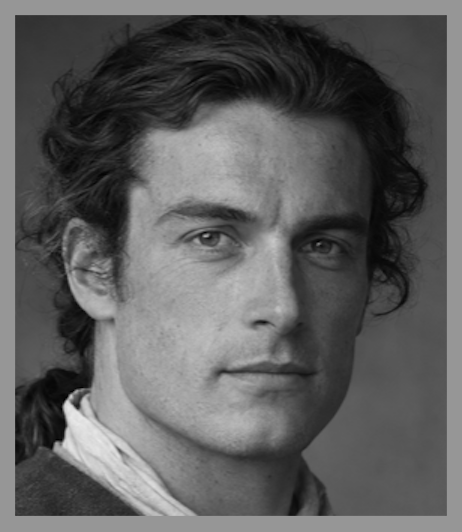
No actual photograph of Matthias McManus exists. The AI-generated image
shown is an interpretive representation and not an authenticated likeness.
Matthias McManus came from Bohola, County Mayo, in western Ireland, and in about 1775, settled in Kilbeggan, a market town situated along the River Brosna in the Irish Midlands. In 1757, McManus established what became known as the Brusna Distillery under the patronage of Gustavus Lambert, an influential local landowner. The Lambert family controlled property that had previously contained a Cistercian monastery, and stones from the monastery ruins were incorporated into the distillery's construction. The operation took its name from the River Brosna, which provided an important source of water for whiskey production. The surrounding countryside supplied barley, while nearby bogs provided turf that could be used as fuel. The original distillery was a modest enterprise, operating with a copper pot still having a capacity of approximately 232 gallons. Its estimated annual production was 1,500 gallons of whiskey, reflecting the small-scale character of Irish distilling during the eighteenth century. McManus served as head distiller, overseeing an operation that used locally available grain and resources. Kilbeggan's combination of agricultural production, water, and fuel made it a practical location for distilling, and the enterprise became established within the town's commercial economy.
By 1782, Kilbeggan contained three distilleries, but by 1796, the Brusna Distillery was the town's only remaining distilling operation. The change reflected the continued operation of the business during a period of consolidation within the local whiskey industry. McManus also rented agricultural land around Kilbeggan, supplementing the income generated by his distilling activities.
The McManus family's business interests eventually extended into brewing, which offered an alternative to whiskey production as taxation affected the economics of distilling. Historical accounts indicate that Matthias shifted his attention toward brewing before the end of the eighteenth century. His son John McManus thus assumed responsibility for the whiskey operations in 1794, continuing the family's involvement in the enterprise. Other sons, including James, Andrew, and Bernard, are also identified in local historical records, although their precise responsibilities within the distillery are less clearly documented.
The family's history became closely connected with the Irish Rebellion of 1798. John McManus was involved in the United Irishmen movement and was executed for his part in the uprising, bringing a dramatic conclusion to his management of the family enterprise. Afterwards, the distillery passed into the hands of the Codd family. In 1843, John Locke acquired the business, beginning the period during which the distillery became widely known as Locke's Distillery.
McManus's surviving family history provides evidence of several generations of McManus involvement in the economic and civic life of County Westmeath. His original distillery continued under successive owners, eventually becoming a substantial whiskey-producing enterprise. Although production ceased during the twentieth century, local preservation efforts beginning in 1982 saved the historic property, and whiskey distillation resumed there in 2007, marking the 250th anniversary of its establishment.
The distillery founded by Matthias McManus in 1757 remains a working part of Ireland's whiskey industry. Its surviving buildings, traditional equipment, and historic associations preserve the development of Irish distilling from small agricultural enterprises into established commercial operations. More than 250 years after McManus established his modest distillery beside the River Brosna, Kilbeggan continues to produce Irish whiskey on the site where the McManus enterprise began.
Sources:
Kilbeggan Distilling Company official website, kilbegganwhiskey.com
Beam Suntory, “Kilbeggan: The Founder's Dream, A Taste of Ireland”, founders.beamsuntory.com
Kathleen Flynn and Stan McCormack, “Westmeath 1798: A Kilbeggan Rebellion”, Locke's Distillery Museum Ltd., historical publication, republicanarchive.com
Whisky.com, “Kilbeggan”, distillery history and profile, whisky.com
Contributed by Tracy McLemore, Fairview, Tennessee USA