William H. “Boss” McGill

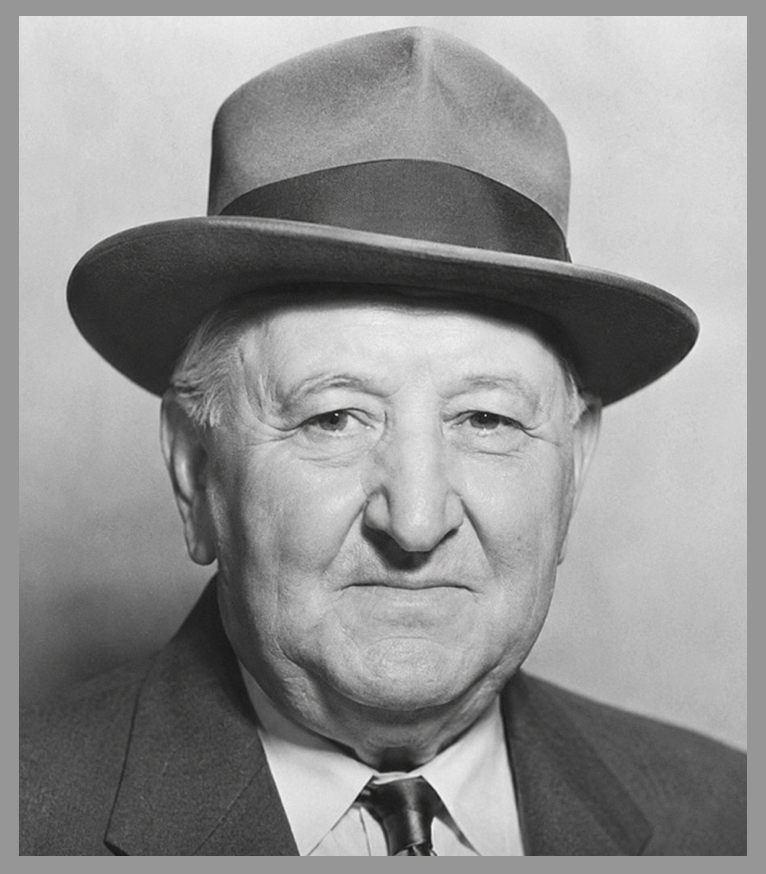
William (Will) H. “Boss” McGill was born on March 4, 1865, in Bardstown, Kentucky. Beyond those basic facts, contemporary biographies reveal remarkably little concerning his personal life. Yet McGill belonged to the generation of distillers whose education came not from universities, but from years spent learning every stage of whiskey production inside working distilleries. Before joining Stitzel-Weller, McGill had accumulated decades of practical experience at both the Tom Moore Distillery and Early Times, two respected Kentucky operations that exposed him to traditional bourbon production long before Prohibition interrupted the industry. By the time repeal arrived in 1933, McGill had become one of Kentucky's elder statesmen of distillation, possessing knowledge accumulated through observation, repetition, and experience. Though he was by then nearly 70 years of age, that background made him an ideal choice for the ambitious new enterprise that Julian Van Winkle, Arthur Stitzel, and Alex Farnsley had just founded.
The formation of Stitzel-Weller represented one of the most important events in post-Prohibition American whiskey. Arthur Philip Stitzel had preserved valuable stocks of whiskey through the medicinal whiskey trade during Prohibition, while Julian Van Winkle had established himself as one of Kentucky's most respected whiskey merchants. McGill became the first master distiller of the new operation in 1935. Although Van Winkle directed the business and Arthur Stitzel contributed his own extensive technical knowledge, McGill supervised day-to-day whiskey production. His responsibilities extended from evaluating incoming grain to monitoring fermentation, overseeing distillation, selecting barrels, and judging new whiskey before it disappeared into the warehouses for years of maturation. During an era when most quality decisions still relied upon human observation, smell, taste, and touch, the master distiller exercised enormous influence over the final product. Modern quality-control laboratories did not yet dominate American distilling; instead, experienced men like McGill served as the principal quality-control system.
Ironically, septuagenarian McGill was not a reactionary, longing for the past. One of his surviving public statements reveals a man still willing to acknowledge improvement when he saw it. In 1945 he reportedly remarked that contemporary whiskey was better than the whiskey of earlier generations and jokingly invited any "oldsters" who disagreed to argue with him. Coming from a distiller already around eighty years old, the comment demonstrated both humor and confidence. McGill believed traditional craftsmanship remained essential, yet he also recognized that improved equipment, cleaner operations, and more consistent production had elevated the overall quality of Kentucky bourbon. His philosophy therefore combined respect for inherited methods with an openness to genuine progress.
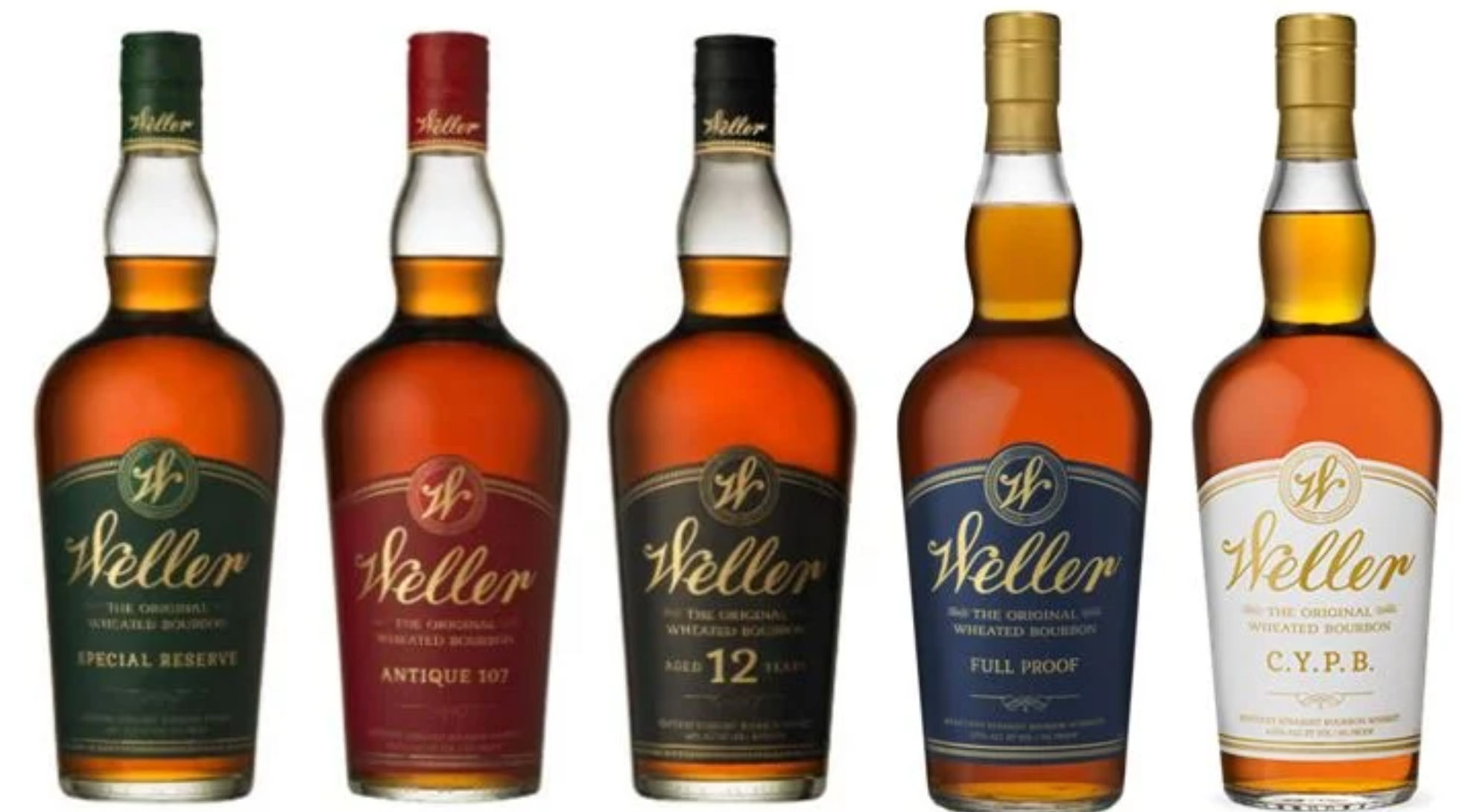
Under McGill's shrewd supervision, Stitzel-Weller established production benchmarks that would later become industry standards. During his tenure the distillery produced brands including Old Fitzgerald, W. L. Weller, Rebel Yell, Cabin Still, Mammoth Cave, Old Stitzel, Kentucky Oaks, Belle of Jefferson, Belle of Bourbon, Carolina Club, Billie Burke, Old Elk, and numerous contract labels. More importantly, McGill helped establish the consistent character of the distillery's wheated bourbon mash bill, a style that substituted wheat for rye as the secondary grain. That softer, rounder flavor profile became one of Stitzel-Weller's defining characteristics and ultimately influenced generations of American bourbon production long after ownership of the distillery changed.
McGill also ensured continuity by training those who would follow him. Among the younger distillers learning under his supervision was Andrew J. "Andy" Corcoran, who became distiller after McGill retired. But prior to that, for approximately a decade, Corcoran worked directly alongside McGill, absorbing both the technical procedures and the philosophy that defined Stitzel-Weller whiskey. Later, when Corcoran assumed the role of Master Distiller, he preservied an unbroken line of instruction that connected the new distillery directly to Kentucky's pre-Prohibition traditions. Roy Hawes and then Woodrow "Woody" Wilson continued that lineage, making McGill the foundational figure in a succession of Master Distillers that lasted nearly half a century.
William H. "Boss" McGill died on March 18, 1952 in Louisville at the age of 87, having served as Stitzel-Weller's founding master distiller for approximately seventeen years. By then the distillery had weathered the difficult years following Prohibition, survived wartime restrictions, and established a golden reputation for quality that would continue to grow for decades. Although later generations often celebrated Julian “Pappy” Van Winkle as the symbolic face of Stitzel-Weller, the whiskey itself bore the unmistakable imprint of Boss McGill's experience and judgment. His legacy survives not in extensive personal records or colorful biographies, but in the production traditions he established, the distillers he trained, and the standards of craftsmanship that helped make Stitzel-Weller one of the most revered names in the history of Kentucky bourbon.
Sources:
Sipping History, “History of Stitzel-Weller Distillery”, May 9, 2022, sippinghistory.com
Dram Devotees, “Stitzel-Weller in 1972: Notes on a Slideshow”, Laura Fields, February 6, 2026, dramdevotees.com
University of Louisville Digital Collections, “William H. ‘Boss’ McGill and Chief at Stitzel-Weller Distillery”, July 27, 1948, digital.library.louisville.edu
The Whiskey Wash, “Cabin Still Bourbon: From Pappy's Pride to Bottom Shelf”, 2026, thewhiskeywash.com
Contributed by Tracy McLemore, Fairview, Tennessee