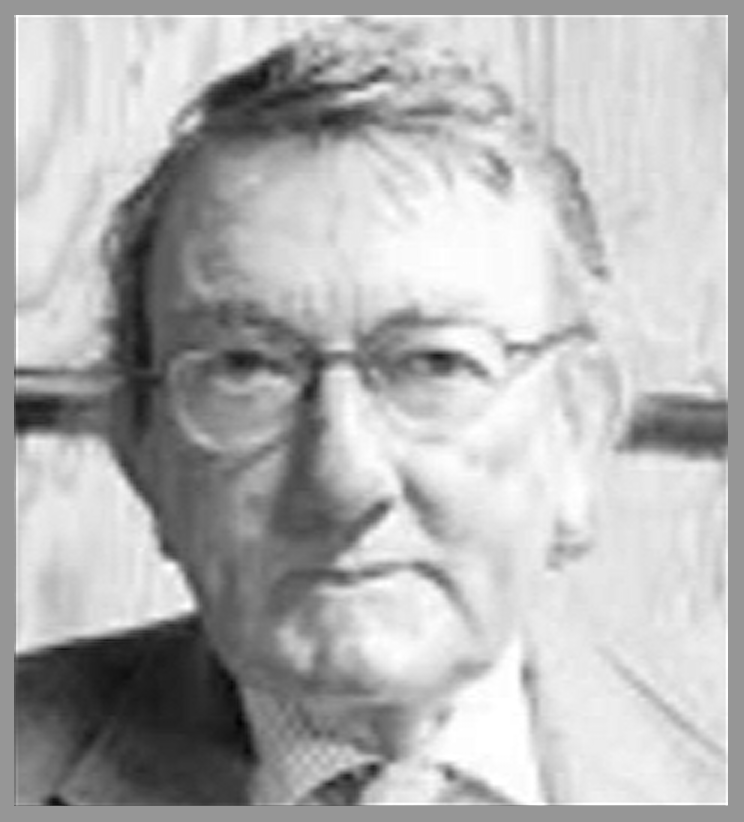
Brian Quinn

Brian Quinn grew up in County Tyrone, Northern Ireland, and subsequently established his home and business interests in Kilbeggan, County Westmeath, a town which had a distinguished whiskey-making history dating to 1757. Distilling there was long associated with the Locke family. During the nineteenth century, Locke’s Distillery developed an international trade, but changing economic circumstances eventually brought production to an end in 1956. The closure deprived Kilbeggan of an important employer and left behind a remarkable collection of historic buildings, equipment, and industrial machinery. By the early 1980s, the former distillery had deteriorated considerably. Quinn, a local businessman, joined other residents who recognized the importance of preserving the property rather than allowing its remaining equipment and buildings to disappear. In 1982, the community began an organized restoration effort through the Kilbeggan Preservation and Development Association. The undertaking brought together local volunteers, skilled tradesmen, preservation advocates, and individuals committed to creating a future for the abandoned industrial complex.
Quinn became one of the leading figures in the restoration campaign. The preservation effort sought to establish an industrial museum that would demonstrate how whiskey had historically been manufactured while creating employment and attracting visitors to Kilbeggan. Local craftsmen contributed their skills, and financial assistance was obtained from several sources, including European funding. On May 26, 1983, Ireland’s national broadcaster, RTÉ, featured Quinn in a television report about the project, during which he discussed its financing and prospects for success. The restoration became an early example of how Ireland’s historic distilling infrastructure could be preserved through community initiative. The project also involved Quinn’s wife, Bernadette, who became closely associated with the distillery’s subsequent development. The couple lived in the former Locke family residence across the road from the distillery, maintaining a direct connection with the property’s history. Both eventually worked at the revived enterprise, with Brian serving as manager and Bernadette working for Cooley. Their involvement extended beyond the original preservation campaign into the commercial redevelopment of the site.
An important development occurred in 1987 when entrepreneur John Teeling established Cooley Distillery as an independent Irish whiskey producer. Teeling subsequently acquired the Locke’s whiskey interests, creating an opportunity to reconnect the historic Kilbeggan property with commercial whiskey production. The restoration of the buildings and preservation of the equipment provided a foundation for this revival. On July 17, 1992, Locke’s whiskey returned to the marketplace, marking another stage in the recovery of a brand closely associated with Kilbeggan. Quinn’s responsibilities expanded as the historic property developed into a functioning visitor attraction and whiskey operation. His work included management of the distillery site, interpretation of its history, and oversight of facilities associated with whiskey maturation. He became a knowledgeable representative of Kilbeggan’s surviving industrial equipment and traditional distilling methods. The site retained historic warehouses, a waterwheel, and machinery that provided visitors with a direct connection to Ireland’s earlier whiskey-making practices.
Quinn also participated in developments within the wider Cooley organization. Working with managing director David Hynes, he was involved in an initiative to produce peated malt whiskey intended for the Japanese market. This experimentation became part of the history of Cooley’s Connemara whiskey, a distinctive peated Irish single malt introduced during a period when peat smoke was relatively uncommon in contemporary Irish whiskey. The project demonstrated Cooley’s willingness to explore styles beyond the established conventions of the Irish whiskey industry. The most significant milestone in Quinn’s association with Kilbeggan came on March 19, 2007, when whiskey distillation resumed at the historic site. The occasion followed extensive preservation work and occurred during the distillery’s 250th anniversary year. Descendants of families associated with the former distillery, including the McManus, Codd, and Locke families, attended the reopening. For the first time in more than fifty years, new spirit was again being produced at Kilbeggan.
A particularly important feature of the restored operation was its historic copper pot still, originally associated with the Tullamore distillery. The equipment had been rescued from disposal and installed at Kilbeggan, where it became a central attraction of the revived operation. Quinn explained its historical significance to visitors and whiskey enthusiasts, connecting the machinery with the broader traditions of Irish distilling. The return of working distillation transformed the property from a preserved industrial museum into a living whiskey-making institution.
By 2011, Kilbeggan had become an established destination for whiskey enthusiasts and tourists. Quinn continued to welcome visitors, explain the distillery’s history, and participate in tastings and educational activities alongside Cooley personnel. On September 8, 2011, the attraction welcomed its millionth visitor, Erwin Hennefarth, during a celebration attended by John Teeling and other representatives of the distillery. The occasion demonstrated the substantial development of a restoration project that had begun with a small group of concerned residents nearly three decades earlier.
In August, 2012, Brian Quinn left Kilbeggan distillery, and as of November 2026, Quinn, now in his 80s, devotes his time as the Kilbeggan Harbour Restoration Group’s representative on the Inland Waterways Association of Ireland’s council. In that role, Quinn helps prepare the committee’s account of Kilbeggan’s historic Grand Canal branch. Nevertheless, his contribution to the Locke/Kilbeggan Distillery extended from its preservation as an industrial landmark to its operation and working whiskey producer. In that capacity, Quinn helped re-establish his own Irish home as both a premium whiskey producing location as well as a historic visitor destination.
Sources:
RTÉ Archives, “Kilbeggan Distillery Revival”, May 26, 1983, rte.ie
Whisky Magazine, “A Rite of Passage”, 2020, whiskymag.com
Irland Journal, “Kilbeggan Is Back”, 2012, irish-shop.de
Whisky Drinks, “Kilbeggan’s Story”, whiskydrinks.net
The Independent, “Trekking in Undiscovered Ireland”, independent.co.uk
Liquid Irish, “Review: The Story of Irish Whiskey (CD)”, February 2008, liquidirish.com
Liquid Irish, “The Cooperage at Kilbeggan Distillery”, June 2011, liquidirish.com
Contributed by Tracy McLemore, Fairview, Tennessee USA