Roy Hawes

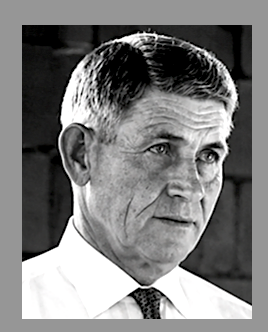
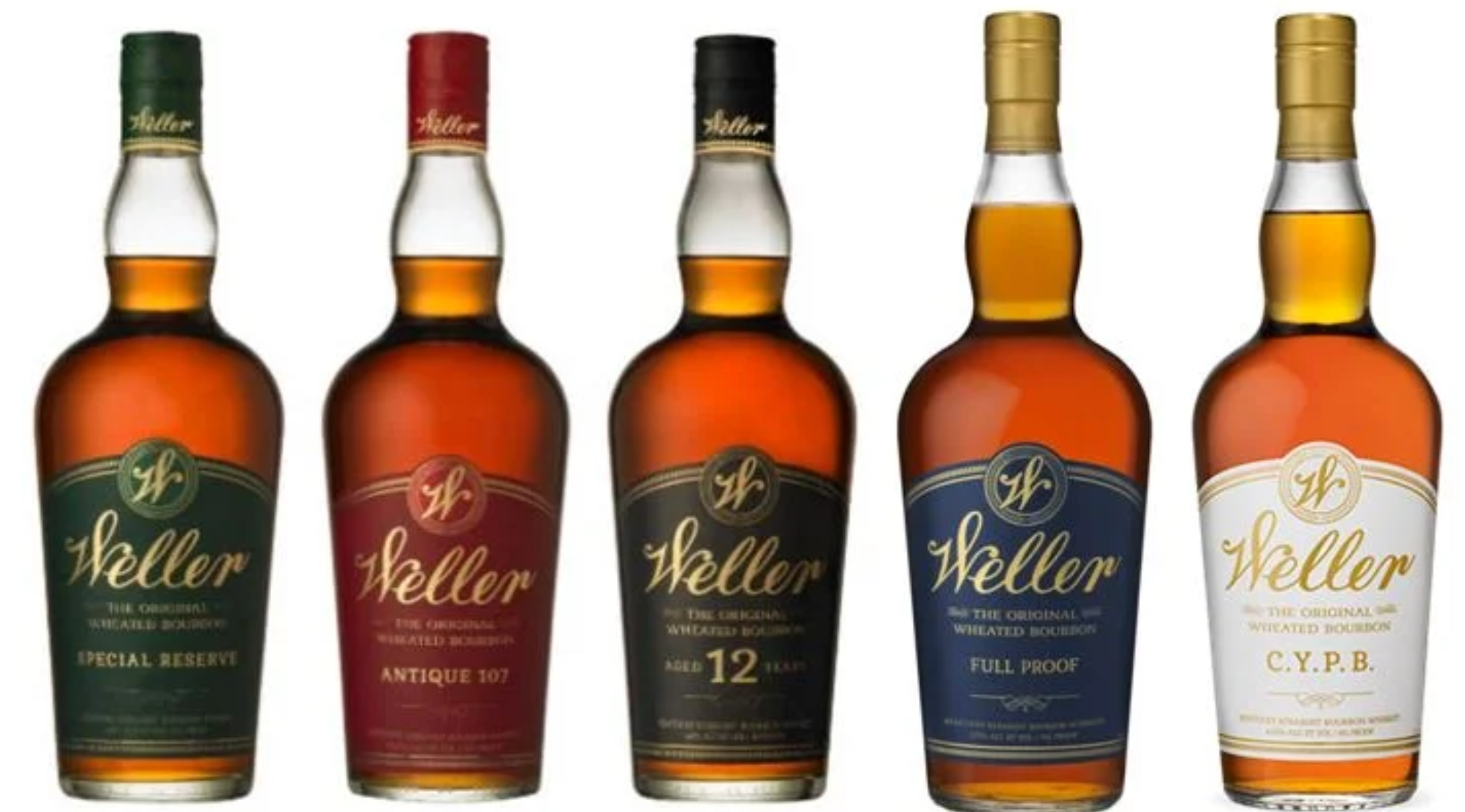
Roy C. Hawes occupies an unusual place in the history of American bourbon. Unlike more colorful figures within the Stitzel-Weller empire, he left behind few newspaper interviews, family histories, or biographical sketches. Yet for nearly two decades, Hawes directed whiskey production at one of Kentucky's most celebrated distilleries during what many enthusiasts regard as the golden age of wheated bourbon. Millions of barrels bearing the names Old Fitzgerald, W. L. Weller, Rebel Yell, and Cabin Still passed under his supervision, even as his own name very rarely appeared in any publication. Hawes’ career illustrates a recurring truth in the bourbon industry: the finest whiskey has often been produced by men whose reputations rested more upon the respect of their peers than upon public recognition.
Roy Cornelius Hawes was born on August 22, 1905, in Evansville, Indiana, to his father, Dowell C. Hawes and his mother, America Christina Gentry. Hawes marriedAgnes Louise Logsdon on September 9, 1924, when he was 19 and Agnes was 18. Soon, the new couple were the parents of 1 son and 4 daughters. And while not much has been published about his early working life, by the late 1940s Hawes had become associated with the Stitzel-Weller Distillery.
Founded on Derby Day in 1935 by 3 legends of the trade, “Pappy” Van Winkle, A.P. Stitzel, and Alex T. Farnsley, Stitzel-Weller had already established a reputation for producing premium wheated bourbon using methods that emphasized quality over production speed. The distillery's philosophy reflected Van Winkle's conviction that bourbon making remained an art as much as a science, a belief famously summarized by the sign posted outside the distillery declaring, "No Chemists Allowed.”
It was into this cocky yet highly dedicatedatmosphere that Roy Hawes arrived as Head Distiller in 1948. Hawes inherited a distillery that had largely completed its formative years. Will McGill, Stitzel-Weller's first Master Distiller, had overseen the difficult task of bringing a new distillery into operation following Prohibition, while Andrew Corcoran had continued refining those methods before his untimely death. Hawes therefore entered the position with the benefit of established equipment, experienced employees, and proven production practices. His responsibility was not to reinvent Stitzel-Weller, but to preserve and perfect the standards that had made its whiskey distinctive. Those standards extended throughout the production process. Stitzel-Weller became known for its wheated mash bill, replacing the rye commonly used by other Kentucky distillers with winter wheat. The distillery also employed relatively coarse milling, open mash cookers, cypress fermentation tanks, thicker-than-average barrels, and warehouse management practices designed to encourage consistent maturation. Although most of these production decisions had originated before Hawes arrived, maintaining them required discipline and consistency throughout his tenure.
When Master Distiller Andrew J. Corcoran died in 1958, Hawes had already effectively assumed responsibility at Stitzel-Weller. By 1960, Hawes was formally directing production, and he would remain in that position until his retirement in 1971. Those years coincided with an important period in bourbon history: American whiskey remained a staple of domestic consumption, but changing tastes, increased competition from lighter spirits, and shifting ownership structures were beginning to reshape the industry. Throughout those changes, Stitzel-Weller continued emphasizing mature, carefully-produced bourbon rather than rapid expansion. Julian Van Winkle Sr. remained active in guiding the company's overall philosophy until his death in 1965, while Hawes supervised the practical execution of that philosophy inside the distillery itself. Over time, this contributed to contemporaries having remembered Hawes with unusual respect.
Hawes retired in 1971 after approximately two decades directing whiskey production at Stitzel-Weller. His retirement marked the end of an era that had begun during the Van Winkle family's stewardship of the distillery. Within a year the company would be sold, and later ownershipchanges gradually altered many of the production methods that had characterized Stitzel-Weller during its classic period. Although the distillery continued operating until 1992, many bourbon historians distinguish the “Hawes years” as part of the institution's defining period, when traditional methods remained largely intact and qualityconsistently took precedence over efficiency.
Roy C. Hawes died on July 25, 1993, in Louisville, Kentucky, at the age of 87 after a short illness. Today, Roy Hawes remains one of the least celebrated yet most fondly remembered and influential Master Distillers in Kentucky bourbon history, and every surviving bottle of mature Stitzel-Weller bourbon distilled during the late 1950s, 1960s, or the beginning of the 1970s serves as tangible evidence of his dedication to quality, consistency, and stewardship
Sources
Stitzel-Weller Distillery official website, stitzelwellerdistillery.com
Fred Minnick, "The Story of a Homeless Master Distiller”, Fred Minnick, September 7, 2017, fredminnick.com
Sipping History, ”History of Stitzel-Weller Distillery”, May 9, 2022, sippinghistory.com
Whiskey ID, "Stitzel-Weller Distillery Timeline”, Chuck Cowdery, whiskeyid.com
Bourbon Veach, "Images of the Past: Will McGill—Stitzel-Weller’s First Master Distiller”, MichaelVeach, January 25, 2019, bourbonveach.com
Filson Historical Society, ”Edwin Scott Foote Papers”,filsonhistorical.org
Contributed by Tracy McLemore, Fairview, Tennessee