Arthur Phillip Stitzel

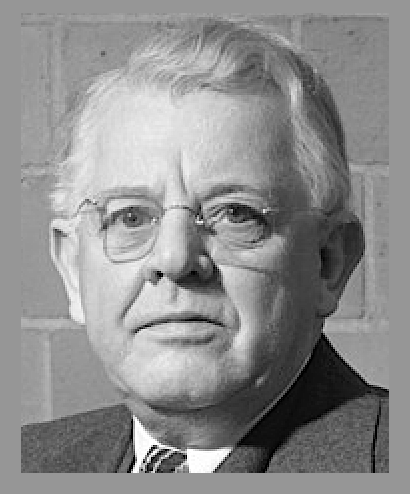
Arthur Phillip “A.P.” Stitzel occupies a unique position in the history of American bourbon. His surname is permanently attached to one of the most celebrated distilleries ever built, yet he has often stood in the shadow of his more publicly remembered partner, Julian "Pappy" Van Winkle. In reality, Stitzel brought to the partnership something that could not be purchased or easily learned: generations of family experience in distilling, a well-established production operation, and the practical knowledge necessary to transform quality grain into exceptional whiskey. Certainly, without Arthur Phillip Stitzel, there would have been no Stitzel-Weller Distillery in the form that bourbon enthusiasts recognize today.
Arthur Phillip Stitzel was born on March 19, 1875, in Louisville, Kentucky, the son of Philip Stitzel and Elizabeth Kahlert Stitzel. He entered a family whose association with the whiskey business stretched back decades. His father had immigrated from Germany as a child during the 1850s and became deeply involved in Louisville's growing distilling industry. Arthur's uncles, particularly Frederick Stitzel, were likewise prominent whiskey men. Frederick achieved lasting recognition for developing the barrel-ricking system that became the industry standard for warehouse storage, a practical innovation still recognizable in modern bourbon warehouses.
The Stitzel family's experience meant that from childhood Arthur grew up surrounded by the business of whiskey. He belonged to a generation in which distilling knowledge was transmitted within families. As a young man, Stitzel briefly entered another established whiskey concern. Around 1900, he joined the Louisville whiskey merchants Hilmar, Ehrmann & Company, but his tenure there was short-lived. His departure even resulted in litigation because he left before completing the partnership term that had ostensibly been settled. The episode nevertheless marked only a brief detour. When his father retired from active business, Arthur assumed increasing responsibility within the family's own enterprises, ensuring that the Stitzel name would continue as an important force in Kentucky distilling.
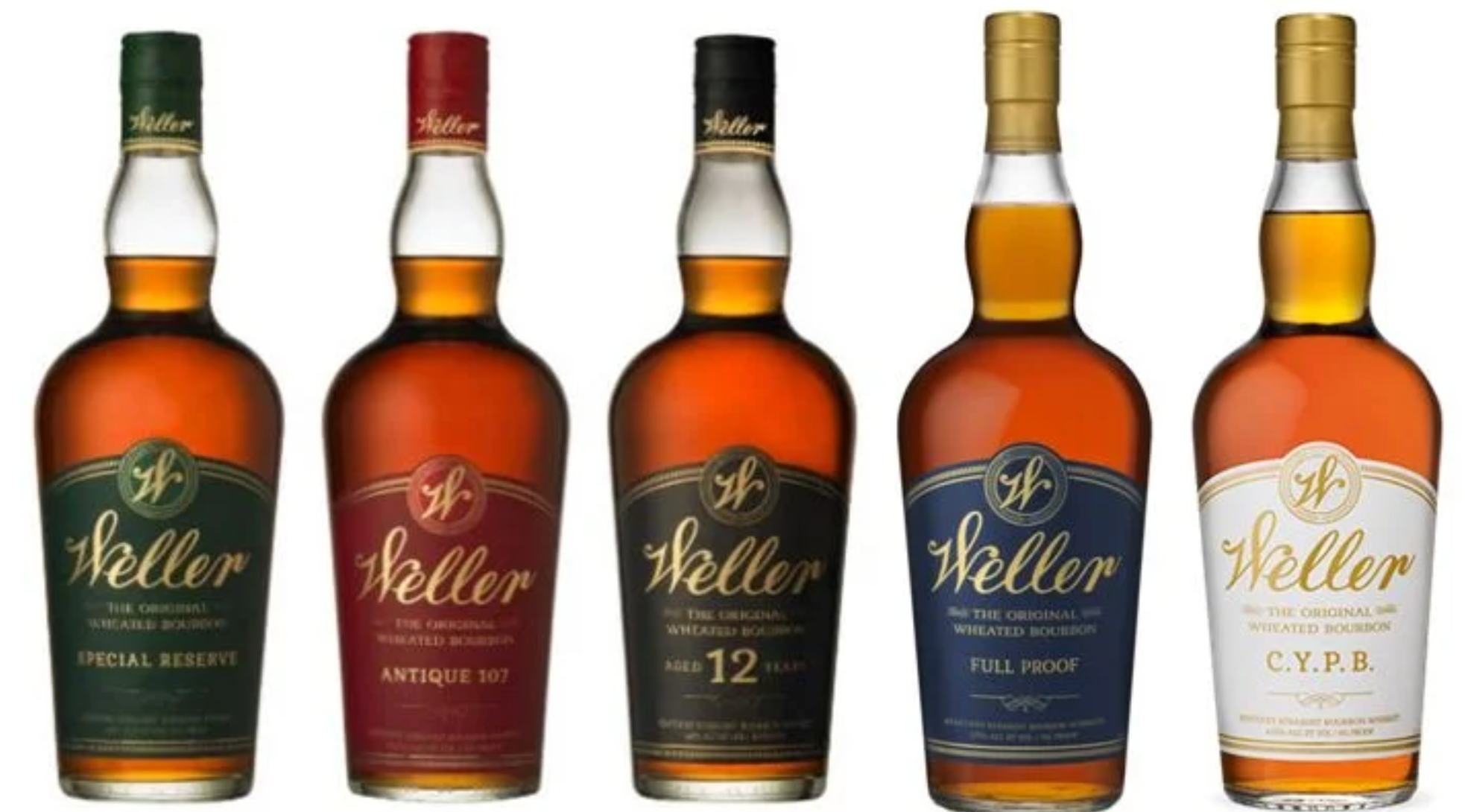
By 1903, the A. Ph. Stitzel Distillery had become the principal producer of whiskey supplied to W. L. Weller & Sons. By then, Weller had already established an enviable reputation as a whiskey wholesaler, while Stitzel possessed the facilities and expertise required to produce the whiskey itself. Their association strengthened both companies long before they formally combined during the 1930s.
Stitzel continued expanding his business interests during the early twentieth century. In 1906, he became one of the incorporators of the Ryeland Distilling Company, joining other experienced whiskey businessmen in another Louisville enterprise. These activities reflected his growing stature within Kentucky's distilling community. Rather than serving merely as an inherited owner, Arthur demonstrated an ongoing willingness to organize companies, develop production capacity, and participate directly in the commercial side of the whiskey trade.
Arthur married Florence Emma Koch on April 16, 1900, and the couple resided near the family's Story Avenue distillery in Louisville's upscale Clifton neighborhood for 22 years. In 1922, they purchased more than seven acres of land east of Louisville between St. Matthews and Middletown. There they built an impressive Georgian Revival residence designed by the prominent Louisville architectural firm of Joseph & Joseph. The substantial estate reflected both Stitzel's professional success and his position among Louisville's leading businessmen. Unfortunately, the marriage between “A.P.” and Emma never produced any offspring, a fact that influenced the succession of the distillery he helped found later.
Like nearly every Kentucky distiller of his generation, Arthur Stitzel faced the enormous disruption of National Prohibition after 1920. Many famous distilleries disappeared permanently during those years, but the A. Ph. Stitzel Distillery survived because it obtained one of the limited federal licenses permitting the production and sale of medicinal whiskey. That distinction proved enormously valuable. While countless competitors closed their doors forever, Stitzel preserved experienced employees, maintained valuable whiskey inventories, and continued operating within the narrow legal framework allowed by federal authorities. When Prohibition ended, his company remained positioned to expand while others were forced to rebuild from nothing. That opportunity arrived quickly after repeal when Arthur Phillip Stitzel joined forces with Julian "Pappy" Van Winkle Sr. and Louisville businessman Alex T. Farnsley to combine the A. Ph. Stitzel Distillery with W. L. Weller & Sons. The enterprise, Stitzel-Weller Distillery, officially opened on May 5, 1935. The new distillery rapidly became one of America's premier bourbon producers. Building upon practices already established by the Stitzel operation, it became especially associated with wheated bourbon, replacing rye with wheat in the mash bill to produce a softer and smoother whiskey.
Arthur Stitzel did not enjoy many years to witness the full flowering of the distillery bearing his name. He died on April 13, 1947, at the age of seventy-two. His passing came before the extraordinary reputation that postwar Stitzel-Weller bourbon fully developed, yet the production standards he helped establish continued under the remaining leadership of Julian Van Winkle and the next generation of the Van Winkle family. Alex Farnsley had already died in 1941, leaving Van Winkle to carry the partnership forward, since A.P. had no children.
So Arthur Phillip Stitzel's enduring importance lies not in colorful anecdotes or abundant personal documentation but in the remarkable durability of his professional accomplishments. He represented a bridge between nineteenth-century family distilling traditions and the modern bourbon industry that emerged after Prohibition. His family's accumulated knowledge, his stewardship of the A. Ph. Stitzel Distillery through one of the industry's darkest periods, and his partnership in creating Stitzel-Weller established a foundation upon which some of America's most celebrated bourbons would be built. His influence survives because wherever the history of wheated bourbon, Old Fitzgerald, W. L. Weller, or Stitzel-Weller itself is told, his name remains inseparable from the quality reflected in those brands.
Sources:
National Park Service, “National Register of Historic Places Inventory—Arthur P. Stitzel House”, 2007, nps.gov
Whisky Advocate, “6 Interesting Things…Stitzel-Weller Distillery”, Sean Evans, March 10, 2025, whiskyadvocate.com
Sipping History, “History of Stitzel-Weller Distillery”, May 9, 2022, sippinghistory.com
Dram Devotees, “The Stitzel Distilleries: From 1872 to Stitzel-Weller…in 9 Parts”, Laura Fields, February 1, 2026, dramdevotees.com
Alcohol Professor, “Buried Bourbon”, 2019, alcoholprofessor.com
Historical Society, “Van Winkle Family Films”, filsonhistorical.org
Contributed by Tracy McLemore, Fairview, Tennessee