Raymond Armstrong

Bladnoch Distillery is Scotland’s most southerly single malt distillery, located in Wigtown, Galloway. Its recorded history dates to 1817, when John and Thomas McClelland were granted a license to distill whisky on their Bladnoch farm in Scotland’s Lowlands. For nearly a century, successive generations of the McClelland family expanded and modernized the distillery. Over the next eighty years, Bladnoch changed hands several times, yet continued to produce whisky.
In 1956, Bladnoch Distillery Limited was formed and the stills, silent during the Second World War, were recommissioned. The stillhouse was expanded to four stills in 1966. From 1983 to 1993, the distillery operated under United Distillers ownership, a period marked by wider distribution and the establishment of a visitor centre.
The mid-1990s, however, ushered in a difficult period for Scotch whisky. As global demand for “dark spirits” declined, a widespread whisky surplus developed. Despite its long Lowland pedigree, Bladnoch’s commercial footing was fragile, and the distillery was forced to close.
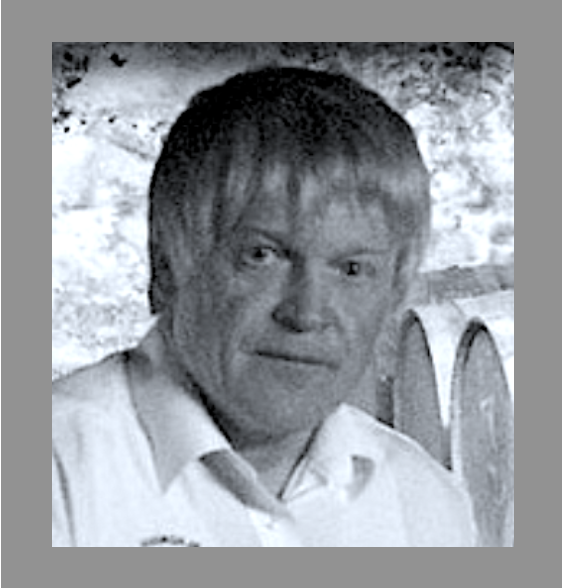
It was against this backdrop that Raymond Armstrong entered the story. Armstrong was born in Belfast, Northern Ireland, in July 1948. Little is publicly known about his early life, but as an adult he worked for the Belfast Water Commissioners and later with the Ordnance Survey as a mapmaker. He went on to serve as a valuer in the Northern Ireland Civil Service and later became a chief executive with Co-ordinated Development Services in Banbridge. Though not a career distiller, Armstrong was a businessman with experience in public service and infrastructure, skills that would prove unexpectedly relevant. In 1994, while visiting Scotland on a hunting trip, Armstrong came across the abandoned shell of Bladnoch Distillery. His initial intention was practical rather than romantic: he considered converting the buildings into holiday accommodation for Northern Irish policemen seeking respite from the Troubles. Instead, he found himself drawn to the distillery itself. The plan changed. In 1995, Raymond Armstrong and his brother Colin jointly acquired the closed site.
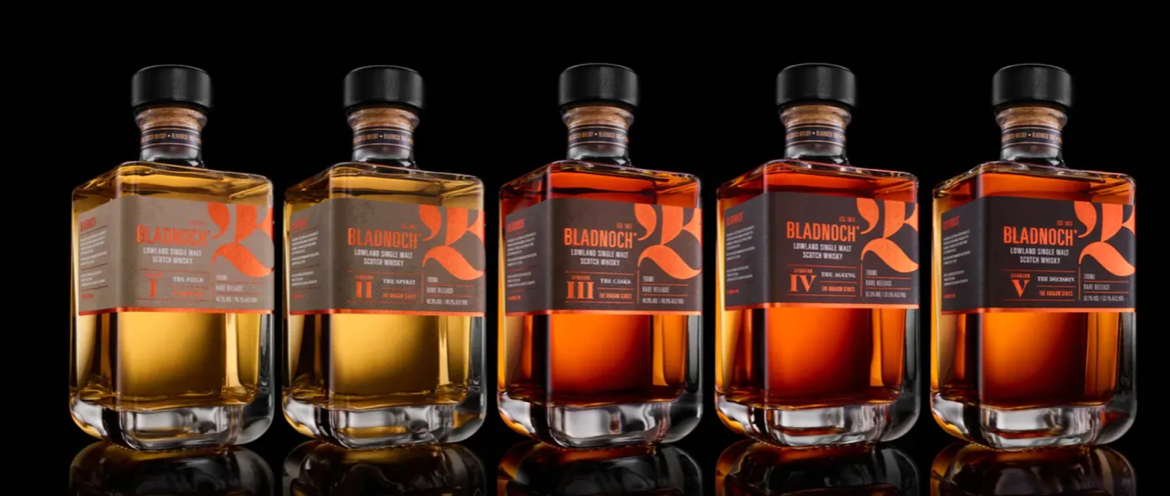
What followed was not a swift reopening, but a prolonged confrontation with the realities of reviving a mothballed distillery. Much of Bladnoch’s equipment had been removed prior to sale, leaving the site effectively stripped to its structure. Compounding the challenge, the purchase agreement included a clause explicitly forbidding the resumption of whisky production. The project therefore entered a prolonged phase of negotiation, refurbishment, and incremental rebuilding rather than immediate distilling. Over several years, the Armstrongs tracked down and reinstalled original plant equipment, some of it still wrapped in plastic from storage. Eventually, the restriction was lifted. In 2000, Bladnoch was granted permission to distill again, initially under an annual production cap reported at 100,000 litres. By Scotch whisky standards, this was modest, but it was enough. In December 2000, spirit once again flowed from Bladnoch’s stills. The tangible result of that effort arrived 8 years later, when the first 8-Year-Old Single Malt produced during the Armstrong era was released in 2009, reflecting both the scale of production and the patience required to bring a revived distillery back to market. Armstrong’s Bladnoch became defined by careful output and long maturation rather than rapid expansion.
Unfortunately, in 2014, the Armstrong chapter at Bladnoch came to an abrupt and public end. Reports emerged of a dispute between the brothers, culminating in a court-ordered wind-up of the company at the request of Colin Armstrong. Raymond Armstrong responded with a statement acknowledging an irreconcilable breakdown in agreement over the distillery’s future, including differing views on whether the business should be sold. Unlike earlier closures driven by market forces or corporate restructuring, this shutdown was rooted in governance and family conflict.
In rare personal remarks, Raymond Armstrong later reflected that his time at Bladnoch had left him with “a son-in-law from Glasgow and a daughter-in-law from Wigtown,” as well as a “Scottish grandson.” He also spoke of friendships formed around the world, while conceding that “the end wasn’t the nicest.” Such reflections stand apart from conventional business metrics, but they remain among the clearest personal insights Armstrong ever placed on the public record. Following the administration, the Armstrong era at Bladnoch drew to a close. In 2015, Australian entrepreneur David Prior acquired Bladnoch from Raymond and Colin Armstrong and began an extensive refurbishment. Production resumed in the spring of 2017. Three expressions—Samsara (no age statement), the 15-year-old Adela, and the 25-year-old Talia—were released using aged stocks under the direction of Master Distiller Ian MacMillan.
After his departure from Bladnoch, Raymond Armstrong returned to Northern Ireland. Little public information has emerged about either brother since the sale.
Taken as a whole, Raymond Armstrong’s story does not fit the familiar Scotch archetype of a lifelong distiller. Instead, it is the rarer account of an outsider who encountered a silent distillery and refused to leave it that way. He arrived when Bladnoch was dark, navigated contractual restrictions designed to keep it dormant, and oversaw the slow reconstruction required to bring spirit flowing again at the end of 2000. Though the Armstrong chapter ended noisily and unresolved, it left behind maturing casks, a revived distillery, and the enduring fact that a Lowlands distillery more than two centuries old once again had the capacity to make great whisky.
Sources:
Companies House/Gov.UK, “Coordinated Development Services Limited Officers”
WhiskyCast, “Bladnoch Distillery In Administration, To Be Sold”, March 17, 2014
Bladnoch Distillery/official website, “Our Story”, www.bladnoch.co.uk
Whisky Magazine, Issue 146, “Bladnoch Once More”, Gavin Smith, 01 September 2017
Difford’s Guide, “Bladnoch Distillery”, diffordsguide.com
The Irish News, “Distillery revived by Banbridge man…”, 28 July 2015, irishnews.com
Whisky Advocate, “The Lowlands Return to Splendor”, Gavin Smith, 20 August 2018, www.whiskyadvocate.com
Contributed by Tracy McLemore, Fairview, Tennessee USA