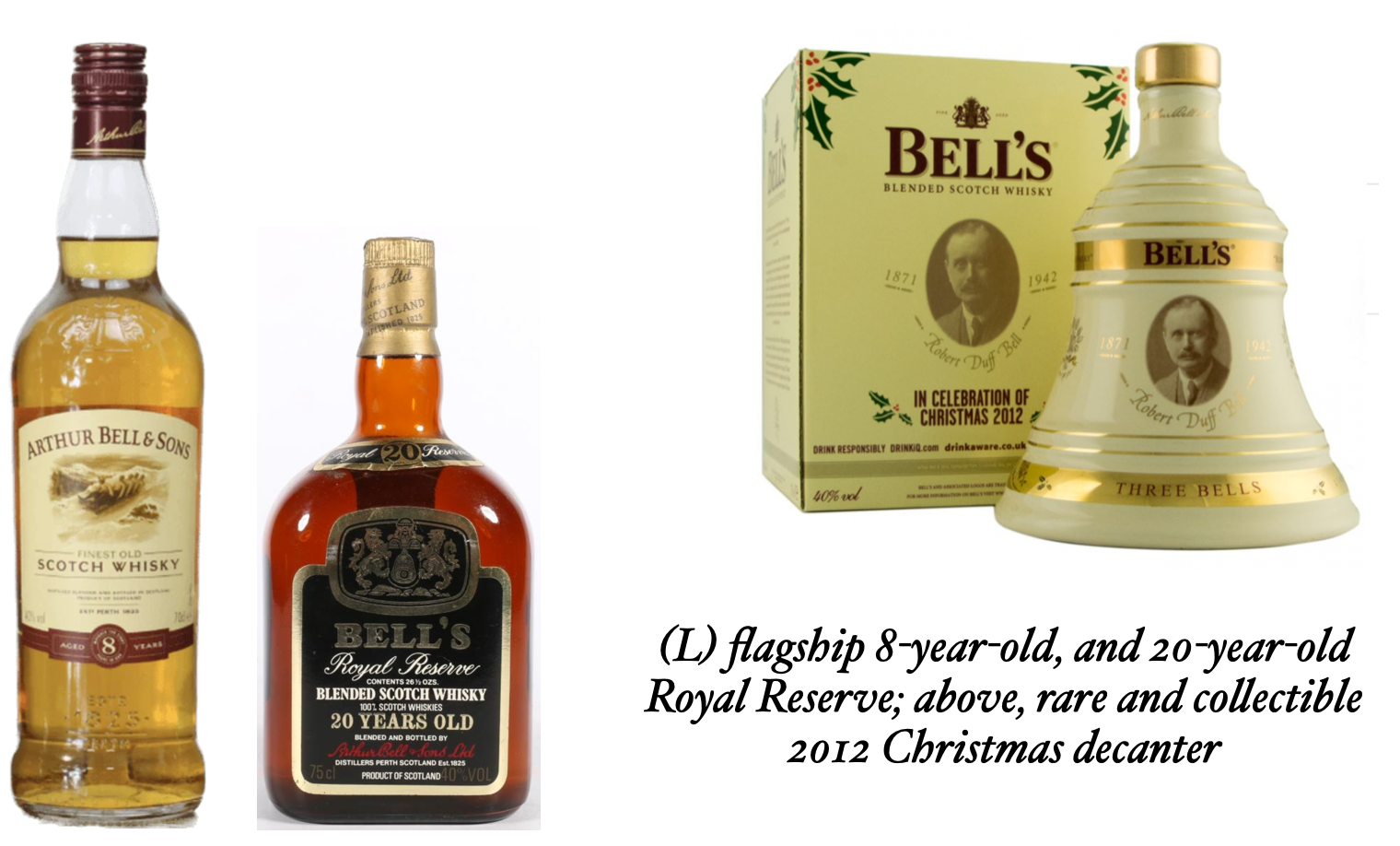
Arthur Bell

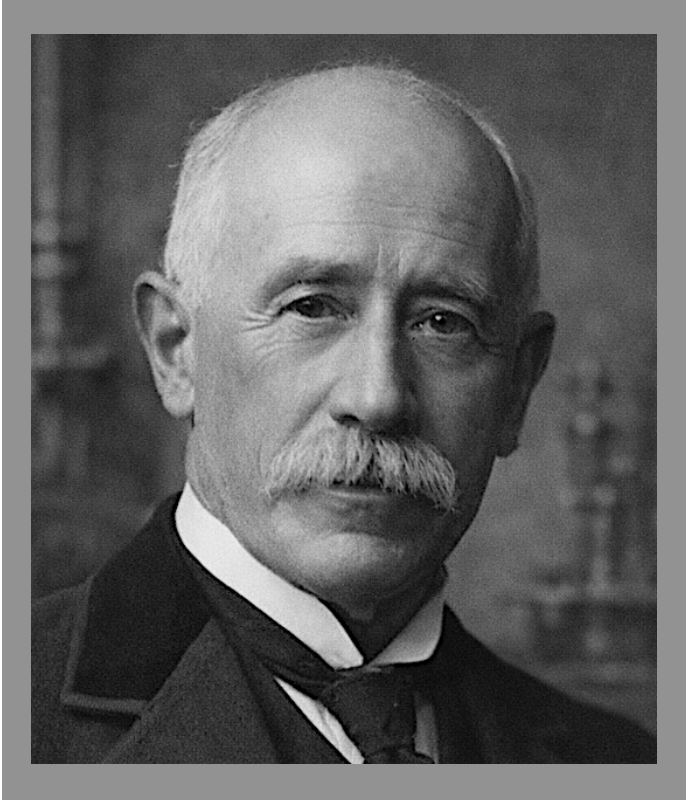
There are no known photos of Arthur Bell. Above is an AI-generated, age-progressed photo of his son, AK Bell, at the same age.
Arthur Bell’s name ended up on millions of bottles, but the work that made it famous began in a world where whisky was still largely local, inconsistent, and often sold with little fanfare. Bell came of age as Scotland’s transport and trading networks tightened; railways, bonded warehouses, and a growing middle-class market, and he built his career by treating whisky less as a rustic curiosity and more as a product that could be made dependable, shipped, and enjoyed by the average Joe.
Bell was born in Perth on 30 November 1825, and it was there that he spent his working life. In those days, Perth was a place that sat at an important crossroads: a natural stop for travelers heading north and, increasingly, a hub where merchants could source spirits and send goods outward as the rail network expanded. Perth’s wine and spirit brokers thrived in that setting, and Bell belonged to the same merchant tradition that was also producing what eventually became other major blending names. As a young man, Bell began working with his uncle Thomas Sandeman’s Perth-based wine and whisky concern. His job duties were as a traveller, a commercial representative, who called on pubs and markets in order to sell Sandeman’s spirits. It was the kind of job that trained a person to read markets: what innkeepers wanted, what city customers would pay for, as well as noting what containers could readily survive the trip.
In 1851, James Roy offered him a partnership in a newly-named firm which came to be known as Roy & Bell. That same year, Bell began to blend whiskies in pursuit of a more consistent product, one that would taste the same from bottle to bottle, not just from cask to cask. Blending was not new in Scotland; the point was consistency, and by creating that, building consumer confidence in the product. It became the defining commercial strategy of that era.
As the partnership continued through the 1850s, Bell wisely pushed outward rather than staying purely local. By 1863, he had appointed what is believed to be the first full-time whisky agent in London, selling at least two different blends there. London was Scotland’s biggest nearby market and a gateway for export trade, and having a dedicated agent was a statement that Bell expected repeat business and broader reach.
In 1862, James Roy retired, ending the original partnership phase. A few years later, Bell entered a short partnership with a cousin, T. R. Sandeman, that ended badly in 1865 when it was discovered that Sandeman was acting as a whisky agent on his own account. Bell took out a bank loan to pay him off, described in company history as the only time the firm had to rely on a loan in that way. It’s a small episode, but it hints at Bell’s temperament: careful with leverage, protective of agency relationships, and unwilling to let sales channels blur. He also campaigned for industry-standard bottle sizes across the UK, an unglamorous fight, but one that aligned with his bigger theme: standardization, predictability, and scale.
In about 1865, Arthur Bell married Isabella Duff, and they had two sons, both of whom became central to the business late in his life. In 1889, Bell invited his eldest son, Arthur Kinmond “AK” Bell, to join as a partner. AK was born on 4 October 1868 in the Perth area (Craigie) and educated at Perth Academy before continuing studies in Edinburgh. In 1896, Bell’s second son, 25-year-old Robert “Robin” Duff Bell, joined the board of what was by then known as Arthur Bell & Sons. With his sons in place, the company’s direction became more visibly international.
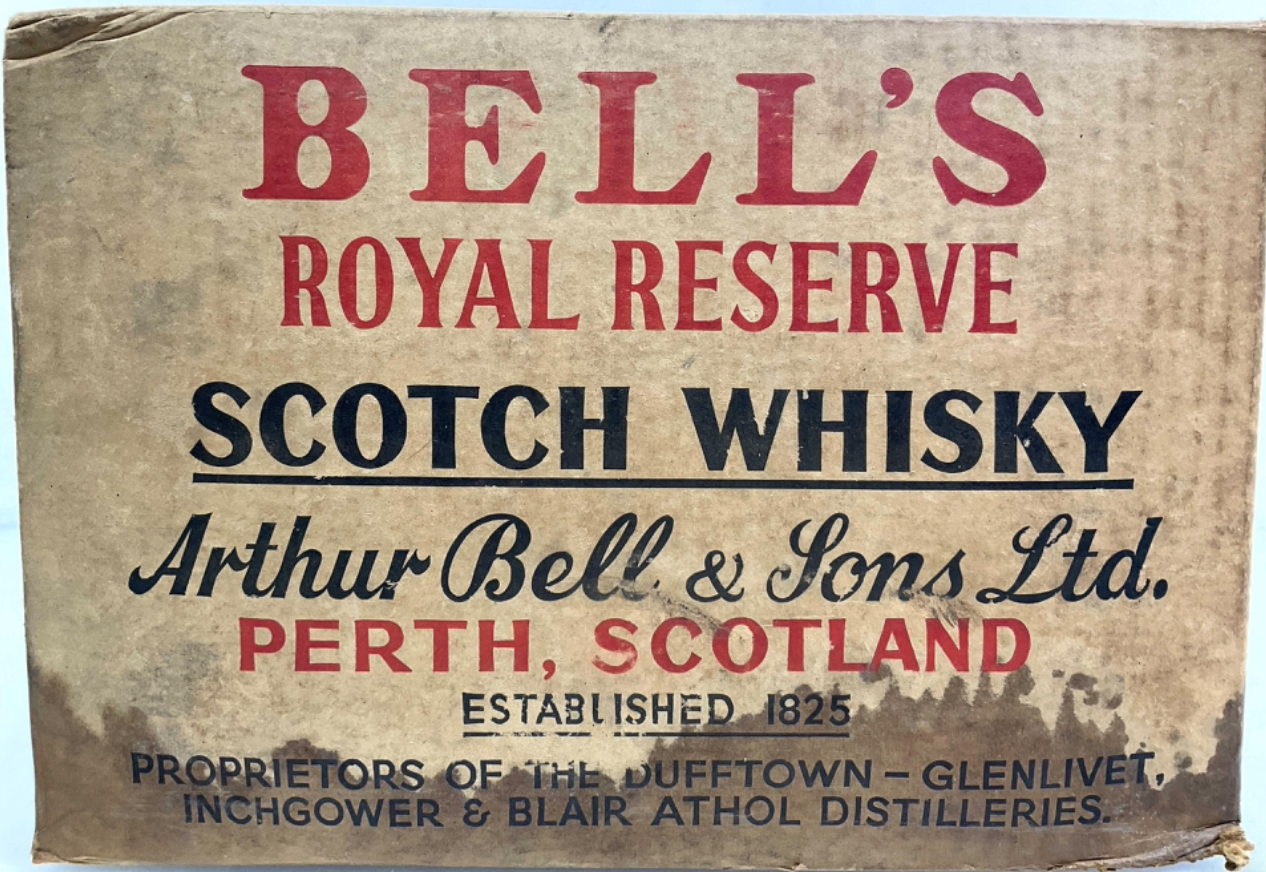
Arthur Bell died in 1900. Because of his unwillingness to use brand names or advertise during his lifetime, growth at this time was steady but not spectacular. This all changed when Arthur’s sons inherited the company. One industry account notes that by the time Arthur Bell died, the blend was on sale in India, Australia, New Zealand, and across parts of mainland Europe. Those weren’t casual markets; they required agents, shipping arrangements, and the kind of consistency that blending was meant to provide. In 1904 the company name first appeared on the label and early brands such as Scotch Fir appeared on the shelves
If Bell’s life has a through-line, it’s that he worked at the seam between old and new Scotland: the older merchant culture of Perth shops and bonded stores, and the newer world of standardized bottles, professional agents, and blended whisky sold far from the cask. Arthur Bell did not become famous by loud self-promotion, quite the opposite. His influence is better measured by the systems he helped normalize: consistency in the product, discipline in distribution, and the idea that Scotch could be scaled without losing customer trust. In a trade that often celebrates big characters and bold labels, Arthur Bell’s story is, fittingly, the story of a man who built an empire by making whisky reliable, and by letting the goods do the talking.
For many years, Bell’s was the UK’s most popular blended whisky. It is now part of Diageo’s portfolio.
Sources:
ScotchWhisky.com (Scotch Whisky magazine), “Perth: the rise and fall of a whisky city”
ScotchWhisky.com (Whiskypedia), “Arthur Bell & Sons”
Whisky Magazine, Issue 144, “Pioneers”, Gavin Smith, 02 Jun 2017, whiskymag.com
Gratitude to Fairley’s Wines for the photo of 2012 Christmas decanter
Contributed by Tracy McLemore, Fairview, Tennessee USA