Bob Baxter


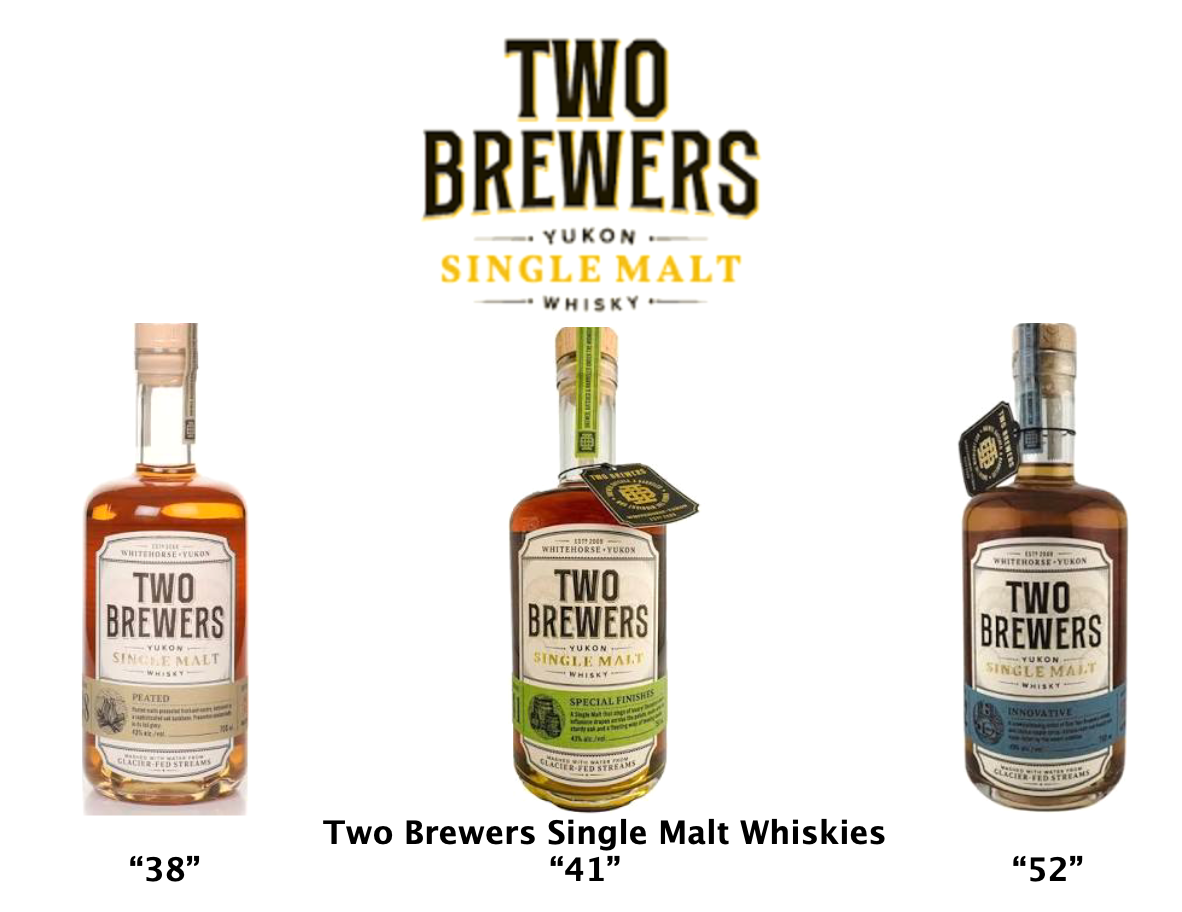
Bob Baxter was born in 1955. Little is published on his early life, but Baxter trained as a mechanical engineer at the University of Windsor and built a professional career in that field long before entering the whisky business. In fact, engineering would become an important foundation for his later success in spirits. Distilling, after all, requires a deep understanding of heat transfer, fluid dynamics, equipment design, and process control, all subjects familiar to an engineer. Baxter’s experience with these principles helped develop the analytical mindset that would define Two Brewers Distillery’s approach to production.
The prospect of a whisky distillery in Yukon first began in 1997 when, on a canoe trip, Bob and his friend Alan Hansen started up a conversation centered on opening a brewery. The two men realized their common interest in both technical problem-solving and craft production. Soon, the two moved their wives and family northwest from Ontario and eventually settled in Whitehorse, Yukon. The businessmen soon realized that opportunities in Yukon differed dramatically from those available in larger Canadian cities. Their isolation created challenges, certainly, but also fostered independence and innovation. So rather than viewing distance from major markets as a disadvantage, Baxter and Hansen saw possibilities. Soon, Yukon Brewing became a pioneer in the territory's growing craft beverage industry. And while brewing provided the foundation for their whisky venture, Baxter's ambitions soon extended beyond beer. Later asked why the pair switched from a successful brewing venture to a single-malt whisky producer, Brewer responded, “Because that’s what we like to drink.” Yet that path toward whisky emerged gradually. Years spent operating a successful brewery provided practical experience with fermentation, ingredient sourcing, quality control, and production management, but whisky requires patience and long-term capital. Unlike beer, which can be sold within weeks of production, whisky must mature for years before generating revenue. However, Brewer and Hansen committed to the long haul.
By the late 2000s, Two Brewers finally released its earliest expressions. Canadian whisky enthusiasts quickly noticed that something different was happening in Whitehorse. Canadian whisky had long been dominated by large producers and blended styles. Baxter's product was a single malt made in small batches and released in individually numbered editions. Each release varied according to cask selection and maturation conditions. Rather than striving for absolute consistency, Two Brewers celebrated variation. This approach appealed to whisky enthusiasts who enjoyed exploring subtle differences from batch to batch.
Recognition followed. Two Brewers accumulated awards from national and international competitions and developed a loyal following among collectors and whisky writers. What began as a small northern experiment has now evolved into one of Canada's most respected craft whisky producers. Many reviewers credited Baxter and Hansen with helping redefine perceptions of Canadian single malt whisky. At a time when most international consumers associated Canada primarily with large blended brands, Two Brewers has demonstrated that Canadian producers could compete successfully in the premium single-malt whisky market.
Two Brewers shows no sign of stopping: at this year’s Canadian Whisky Awards, in addition to a trio of medals, Hansen, Baxter, and the team were crowned Microdistiller of the Year. These accolades are just the latest recognition of an eclectic range that is putting Canadian single malt, and by extension, the tiny town of Whitehorse, on the world whisky map.
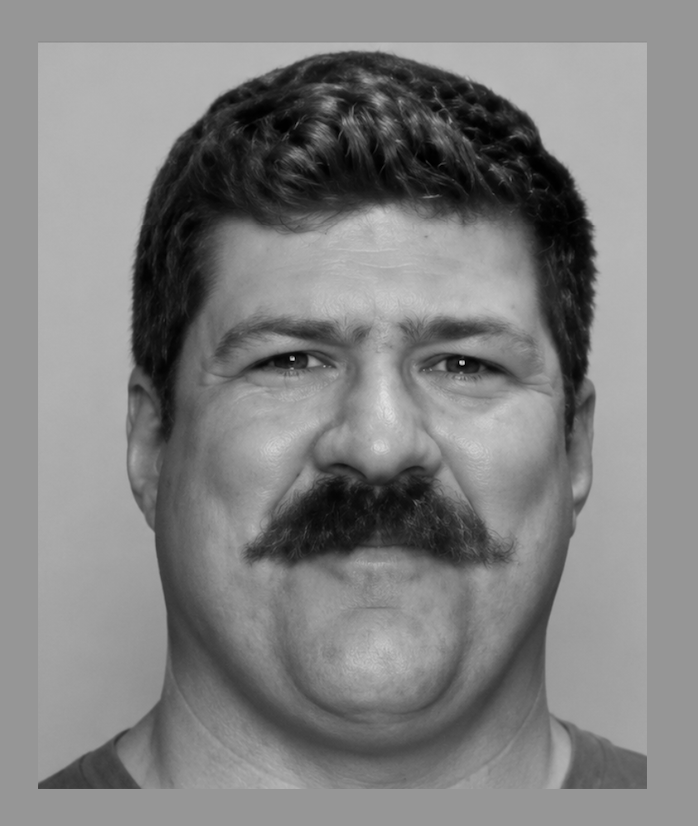
One of the most significant developments in Baxter's later career involved the arrival of his son Tyson. Unlike many family businesses in which younger generations reluctantly inherit responsibility, Tyson brought substantial technical credentials of his own. He earned a degree in chemical engineering from the University of Toronto and brought that education back to join the family enterprise. The relationship between father and son became an integral part of Two Brewers' continuing evolution. Bob had helped build the distillery from concept to international recognition, while Tyson entered an established operation but brought fresh ideas and a new generation's perspective. In the years following, Tyson has assumed increasing responsibility for production and innovation while working alongside his father.
Tyson Baxter
Today, Bob Baxter stands among the most influential figures in Western Canada's craft whisky movement. His route to distilling was unconventional, beginning with engineering, strengthened through brewing, and ultimately culminating in the creation of one of Canada's most acclaimed single malt producers. He has helped prove that world-class whisky could emerge from the Yukon. Through the involvement of his son, Tyson, he also helped ensure that the story would continue into a second generation. The success of Two Brewers demonstrates that geography need not limit ambition. From Whitehorse, far from the traditional centers of whisky production, Baxter built a distillery whose influence extends across Canada and well beyond its northern borders.
Sources:
Canadian Whisky, “Two Brewers Yukon Single Malt”, Davin de Kergommeaux, canadianwhisky.org
Highfern Ltd., “Yukon Ingenuity: In Conversation with Two Brewers' Bob Baxter”, highfern.com
Artisan Distillers Canada, “Distiller Spotlight: Tyson Baxter…”, 8 March 2023, artisandistillers.ca
Two Brewers Whisky official website, “Our Story”, twobrewerswhisky.com
Yukon Brewing official website, “Company History”, yukonbeer.com
Whisky Advocate, “Two Brewers: Canada’s Northern Single Malt”, whiskyadvocate.com
Canadian Whisky & Spirits Magazine, “The Yukon’s Whisky Revolution”, Mark Bylok, whiskyandspiritsmagazine.com
YouTube (interview), “Two Brewers Whisky…Bob Baxter,” youtube.com
WhiskyCast (podcast), “Two Brewers Whisky from the Yukon”, whiskycast.com
The Dramble, “Two Brewers Yukon Single Malt Reviews…”, thedramble.com
Contributed by Tracy McLemore, Fairview, Tennessee
Rather than representing a departure from the company's founding principles, his involvement extended them. The same emphasis on experimentation, technical rigor, and craftsmanship remained central to the distillery's identity. For Baxter, the emergence of Tyson as a leader within the company represented more than succession planning. It reflected the successful transfer of knowledge accumulated over decades. Distilling expertise is often learned through direct experience rather than textbooks alone, and Two Brewers provided an environment in which practical knowledge could pass from one generation to the next. The result has been continuity without stagnation, preserving the values that shaped the distillery while allowing it to evolve