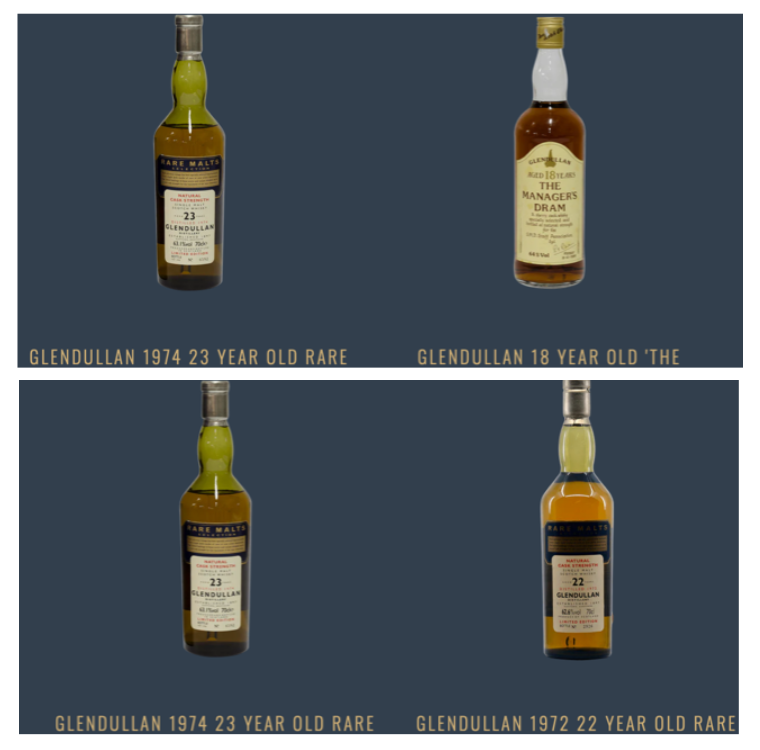
James Williams

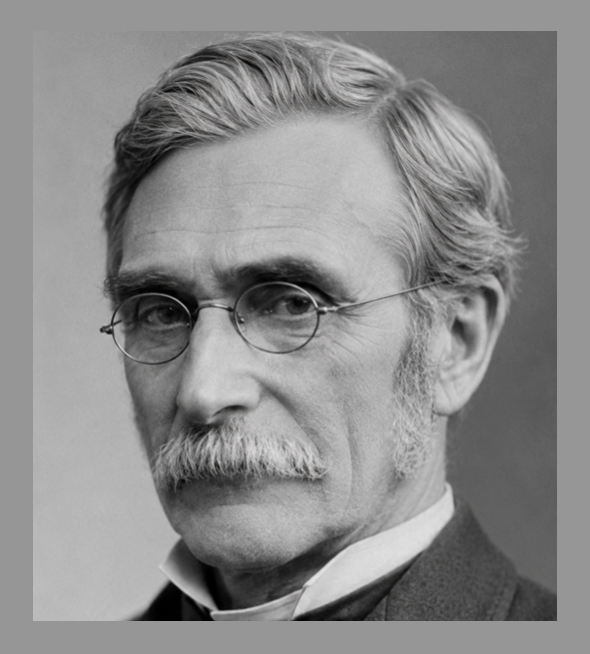
There are no actual photographs of James Williams.
Above is an AI-generated image of him based on facts known about his life.
When the history of Speyside whisky is told, a portion of that story belongs James Williams, who inherited not only a whisky business, but also the ambition and commercial instincts that helped transform a local family blending house into one of the enduring names in 19th century Scotch whisky. James Williams was born on 26 April 1854, the son of William Williams, and Elizabeth (Bisset) Williams. By the time of his son’s birth, William was already a well-established Aberdeen wine and spirit merchant in a city alive with trade. Granite ships left the harbor carrying textiles, fish, and whisky, while merchants built fortunes supplying Britain’s growing urban middle class. William Williams had established himself in that world as a successful whisky broker and blender. Brokers in that day and place occupied a critical position in the Scotch trade. They purchased spirit from distilleries, arranged contracts, managed blending operations, and supplied merchants throughout Britain and abroad. Williams belonged to this commercially aggressive generation of whisky men who saw opportunity in the growing worldwide demand for Scotch. It was in this commercial environment that James Williams came of age.
Like many sons in Victorian commercial families, James learned the trade directly through business experience rather than through any publicly documented university education. Though he was but the third son of William and Elizabeth in a day where birth order was still significant, he was the one most interested in his father’s trade. As such, James did all he could to learn the subtleties of the business as well as the hazards, and to maintain the relationships with workers, distillers, and other brokers that had been so carefully cultivated by his father.
So when his father died on 23 Jul 1876, James Williams was the brother chosen to take the helm of the company and to lead it into the next century. Immediately, James filed the paperwork necessary to change the name of the company to William Williams & Sons, Ltd., and set about managing the company that had by then become the largest blending concern in the North of Scotland. Just two years following James’s ascent, in 1878, the firm received diplomas of merit at the Paris World's Fair. In 1884, it received a prize medal at the London International Exhibition for the quality of their blended whisky. Also in 1884, James married Josephine Anne Matthew. Their union ultimately produced three daughters and one son.
By the final decades of the nineteenth century, Scotch whisky was blossoming into extraordinary change. The collapse of French brandy production after the phylloxera crisis had created new international demand for Scotch, particularly blended whisky. Railroads improved transportation across Scotland, export markets expanded, and blending houses increasingly sought reliable sources of malt whisky for their own products. James Williams recognized this change as an opportunity: rather than relying entirely on purchasing whisky from outside distilleries, Williams decided to secure his own production source in Speyside. The result was the construction of Glendullan Distillery in Dufftown in 1897. Though it would be the last of the distilleries built there, Dufftown in that day had become one of the great whisky capitals of Scotland. By the end of the nineteenth century, seven distilleries in total lined the surrounding valleys, drawn by excellent water, nearby barley supplies, and expanding rail access. Local people were fond of repeating the famous saying, “Rome was built on seven hills, Dufftown stands on seven stills.” It was into this environment that Williams’ Glendullan distillery materialized
The new firm was constructed beside the River Fiddich, but drew water from the springs of Conval Hill. The location was carefully chosen. Speyside water sources were prized for their purity and mineral balance, and the district already possessed a skilled workforce familiar with whisky production. Historical accounts note that William Williams & Sons secured a unique arrangement concerning water rights and local access with neighboring Glenfiddich, illustrating how closely connected the whisky industry in Dufftown had become.
For James Williams, Glendullan represented more than a distillery. It was vertical integration before the term became fashionable. Control over malt production meant stability for the family’s blending operations and protection from fluctuating supply prices. Like many successful whisky merchants of the era, the Williams family understood that ownership of distilling capacity could provide both prestige and long-term commercial security. The timing proved fortunate. Demand for Scotch whisky remained strong in the years immediately following Glendullan’s opening. The distillery quickly established a reputation for a fruity, consistent Speyside malt well suited for blending. Historical sources show that the whisky became a favorite of King Edward VII, a connection that gave the distillery considerable prestige in both domestic and export markets.
Like all whisky firms, however, Glendullan operated in an industry that was volatile and increasingly dominated by mergers and financial consolidation. Abruptly, the whisky boom of the 1890s eventually gave way to the difficult years of the 1900s marked by overproduction, economic instability, and changing taxation. Some firms collapsed entirely. Others survived by combining forces with competitors or by joining larger corporate structures. Glendullan survived largely because the distillery wasn't reliant on the open market. Its single malt was produced almost exclusively for its own established Scotch blending business, ensuring a guaranteed buyer during the crisis.
Unfortunately, in 1916, a different kind of tragedy struck the Williams family when James’s only son died at the age of 20 on active service in France during World War I. With his passing, any hope of continuation of the “& Sons” legacy of his business evaporated. In 1919, James, by then well into his 60s and with only one brother residing in America and no sons left living, decided that William Williams & Sons would become part of Macdonald & Greenlees. It was a merger that reflected broader trends across the Scotch industry after the War. The combination brought together established whisky interests in an effort to strengthen distribution and financial stability during uncertain times. James Williams remained connected to the business during this transitional era, though the age of the independent family whisky merchant was obviously fading.
James Williams died five years after the merger, on 23 March 1924, only a month shy of his 70th birthday. A year later, the company became absorbed into the behemoth Distillers Company Limited. That acquisition brought Glendullan into one of the most powerful whisky organizations in the world whose corporate lineage ultimately led to today’s Diageo.
The distillery that James Williams established had managed a savvy endurance where many others disappeared. Glendullan ultimately survived American Prohibition, several economic downturns, two wartime restrictions, and repeated reorganizations of ownership. Today, much of Glendullan’s spirit continues to flow into blends, though modern single malt bottlings have introduced wider audiences to the distillery’s character.
Thanks to third son James Williams, the whisky is still available, and remains lightly fruity, approachable, and highly coveted by blenders—qualities that most certainly would have appealed to William Williams 180 years ago.
Sources:
ScotchWhisky.com, “Glendullan Distillery”, scotchwhisky.com
Whisky.com, “Glendullan”, whisky.com
The Scotsman, “History of Dufftown and Speyside Whisky”, scotsman.com
National Records of Scotland, “William Williams,” scotlandspeople.gov.uk
Find A Grave (ancestry), “James Williams, 1854-1924)”, findagrave.com
Contributed by Tracy McLemore, Fairview, Tennessee USA