
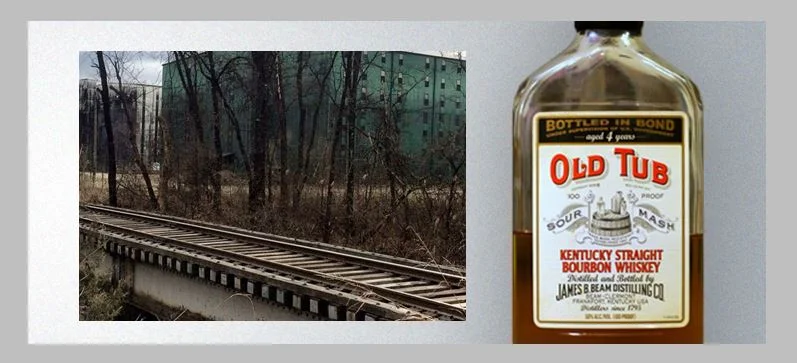
David M. Beam

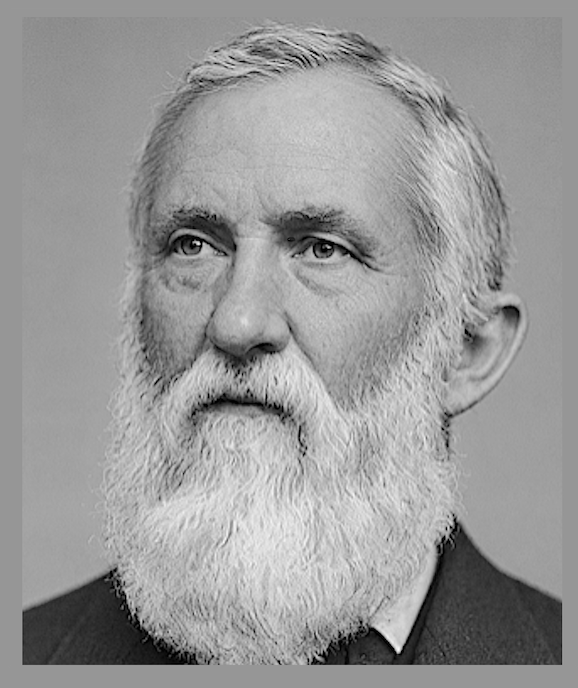
AI-generated image of David M. Beam is based on a realistic illustration
David M. Beam was born on January 19, 1833 in Kentucky, the son of David Beam and grandson of Johannes Jacob Beam, the founder of the family's whiskey-making enterprise. His grandfather had come from Germany to settle in Kentucky during the 1780s, and began selling whiskey commercially in 1795. In 1820, Jacob was approaching 60 years of age, so he transferred responsibility for the business to his son David. David then developed the operation that became known as Old Tub Distillery. He operated the distillery during an era when American transportation and manufacturing were undergoing substantial changes. Steamboats opened distant markets along the Ohio and Mississippi rivers, while improving roads eventually connected Kentucky producers with larger population centers. David Beam expanded the family's distilling capacity during the 1830s to accommodate increasing demand for his whiskey.
The elder David had four sons, including future distillers David M. Beam, Joseph Beam and Jack Beam, helping to establish the Beam name across multiple distilling enterprises. In 1853, David M. assumed control of the Old Tub Distillery, becoming the third generation of the family to direct its whiskey-making enterprise. He was approximately 20 years old when he succeeded his father, who died the following year. The transition placed him in charge of a business that, even then, had already operated for nearly six decades.
In David M’s day, the responsibilities of a distillery owner included all activities that encompassed the manufacture of bourbon. These including grain negotiation, selection, and purchase, equipment maintenance, coopering, distilling, and distribution. Fortunately, his early leadership coincided with the rapid development of railroad transportation, which offered new opportunities for producers located near established shipping routes. Correspondingly, one of Beam's most important decisions involved the 1856 relocation of the distillery from its original location in Washington County, Kentucky, to Nelson County, near Bardstown. The new site was close to tracks connected to the expanding Louisville and Nashville (L&N) railway network. This location allowed the company to ship 500-pound barrels of whiskey more efficiently and reach customers far beyond the markets served by its earlier operation. The railroad connection represented a major commercial advantage over labor-intensive horse-and-buggy transportation which was dependent on reasonable weather and roughshod roads. By placing the distillery near a rail line, the company's products could easily travel toward Louisville and other northern commercial centers, or toward Nashville and markets throughout the south. The relocation helped transform a locally-established whiskey concern into a producer capable of serving customers across a large geographic area.
In 1861, 28-year-old David M. married Margaret Ellen Phillips. It was the beginning a family whose descendants would continue the line of prominent distillers that extends through the present day. David M. and Margaret couple had three daughters, including Nannie, and four sons, including James Beauregard (Jim), and William Parker (Park). Jim Beam, born in 1864, would go on to become one of the country’s most famous distilling names, while Park also developed into an accomplished master distiller himself.
Unfortunately, eight years after David M. took over the operation, the American Civil War created prolonged turmoil for whiskey distillers. While Kentucky occupied a strategically important position directly between thirsty combatants, the conflict disrupted or halted much of the transportation, commerce, and agricultural production previously enjoyed throughout the region. But despite the uncertainty of the period, David M. continued whiskey production as best he could. Fortunately, following the war, Kentucky bourbon production entered a period of renewed commercial development. David M. continued developing the family's distilling business during these years, positioning Old Tub as a recognizable brand rather than generic whiskey sold directly from the distillery. The transition reflected the increasing importance of brand identity in an industry where numerous producers competed for customers.
By 1890, David M.'s two younger sons, Jim and Park, had became increasingly involved in the distillery, and when David M. retired in 1892, he transferred control of the distillery to them. His son-in-law Albert Hart (who had married his daughter Nannie) also became involved in the enterprise. Jim Beam and Albert Hart managed the business operations, while Park served as master distiller and supervised whiskey production. David M.'s retirement concluded nearly four decades of leadership during which the company had developed from a local producer into an established bourbon enterprise with distribution extending far beyond its original market.
David M. Beam died in 1913 at the age of 80. His sons continued to expand what was originally their family’s small distilling venture into what became, by the middle of the 20th century, one of the most recognizable brand names in America producing one of the worlds best-selling bourbons. In 2009, David M. Beam was inducted posthumously into the Kentucky Bourbon Hall of Fame. The honor finally recognized his importance in developing the Beam family's distilling enterprise and in establishing the foundation for its later commercial success. It also noted his influence through his descendants, many of whom became prominent master distillers themselves. The name of his son, Jim, eventually overshadowed that of his father. Yet there is no doubt that the company's development into a nationally-recognized bourbon conglomerate eventually transpired because of one man—David M. Beam’s hard work, foresight, tenacity, and leadership was indispensable during some of the most trying years in American distilling history.
Sources:
Jim Beam Distillery official website, jimbeam.com
Beam Suntory, “Jim Beam: Brand DNA and History”, founders.beamsuntory.com
Beam Family Reunion, “The Beams, America's First Family of Bourbon”, Charles K. Cowdery, 2001, beamreunion.com
Pre-Prohibition Whiskey Men, “The D. M. Beam Distillery, RD #230, 5th District, Nelson County, Kentucky”, pre-pro.com
Contributed by Tracy McLemore, Fairview, Tennessee


Photos provided by Jim Beam brands