Jimmy Barclay

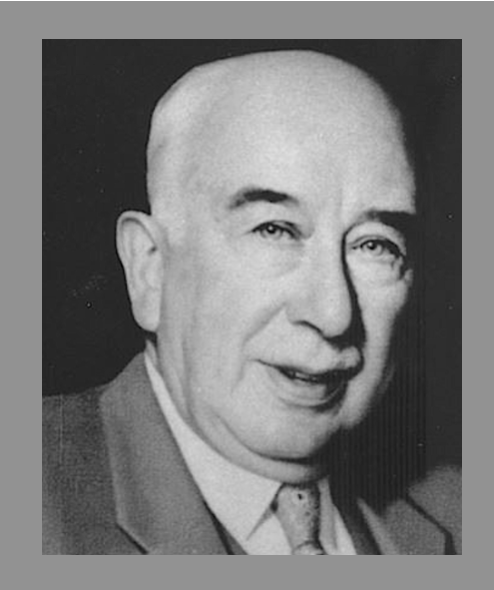
Jimmy Barclay’s name still hangs over the modern Scotch trade like cigar smoke in a hotel bar: half legend, half hard-edged commerce, always moving. He was born in Gargunnock, Stirlingshire, in 1885. As a bairn, he grew up in Strathspey, in the broader Speyside world where whisky was less a romance than a local industry with its own rhythms, loyalties, and quiet rivalries. When he was still young, Barclay entered that world from the bottom. He began work as an office boy at Benrinnes distillery, near Aberlour, in the first years of the 20th century. The job title sounds modest, but it placed him inside the machinery that made Scotch possible: stock, invoices, casks, schedules, and the daily reality that whisky is built as much by paperwork and patient storage as by copper and yeast.
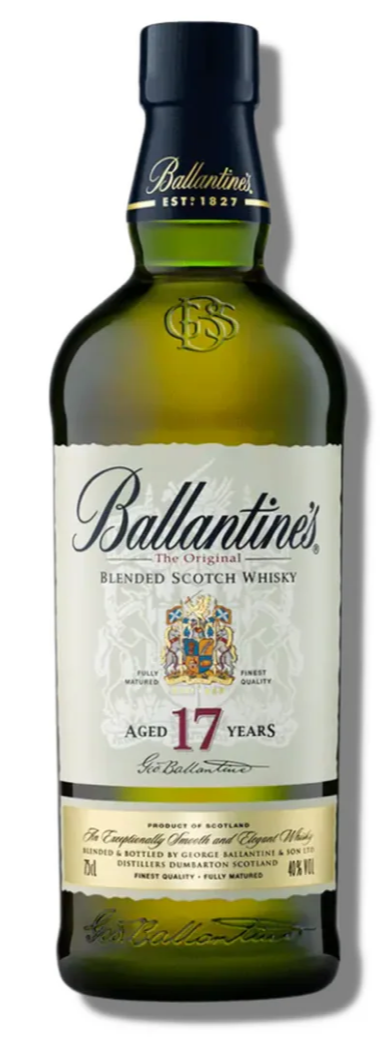
In 1909, Barclay moved to Glasgow to work for Peter Mackie & Company. Glasgow mattered: it was a commercial nerve center for Scotch, where the whisky trade intersected with shipping, finance, bottling, and export. Barclay eventually took charge of major parts of Mackie’s business; its home trade, distilleries, and warehouses, positioning himself as more than an employee. Then the post–First World War slump hit the industry. Scotch was awash in uncertainty, and a downturn punishes the cautious while rewarding the alert. Barclay proved to be the latter. So in 1919, he left Mackie’s and, with partner R. A. McKinlay, co-purchased George Ballantine & Son. That single step pushed him from managing other people’s whisky into shaping ownership and strategy. The next few years were a rapid accumulation of assets and leverage: The Stirling Bonding Co., followed in 1921, then James & George Stodart in 1922, with yet more firms behind them. Through these buys, Barclay and McKinlay weren’t merely collecting company names; they were securing what mattered most in Scotch: maturing stocks. They were also gaining control over whole brands and their bottling.
By the 1920s, Barclay was traveling widely to build the reputations of his Ballantine’s and Old Smuggler brands, particularly in the United States. Ironically, this was precisely when America had made alcohol illegal; however, that contradiction was the point. Prohibition didn’t erase demand, it rerouted it through loopholes, offshore supply, and relationships that needed charm, nerves of steel, and contacts more than a tidy conscience. Later accounts drawing on the recollections of Canadian whisky executive Maxwell Henderson paint Barclay as a man who treated danger as inconvenience, including stories of him encountering, then evading, menacing US revenue agents in Prohibition-era New York. Whatever the embellishments around those years, the business outcome was plain: Barclay made influential friends and built distribution pathways that turned Scotch into a transatlantic habit again.
In 1935, he purchased the Glasgow firm Robert Brown, Ltd. for Seagram’s and began building the inventory needed for a major premium launch. Then the 1940s brought another storm: wartime economics and tax law, and the opportunism that flourished in their shadow. Barclay became linked in press and trade memory to the Excess Profits Tax maneuvers that swirled around whisky-company transactions during the Second World War era, though accounts also note that authorities eventually ruled he had been involved only as a consultant. Still, that detail captures the way Barclay operated: always in close proximity to complicated and sometimes dangerous structures like brokers, syndicates, and international government agencies, with whole companies bought and sold like chess pieces. Yet Barclay was extremely skilled at staying just inside the lines that kept him alive and in the game.
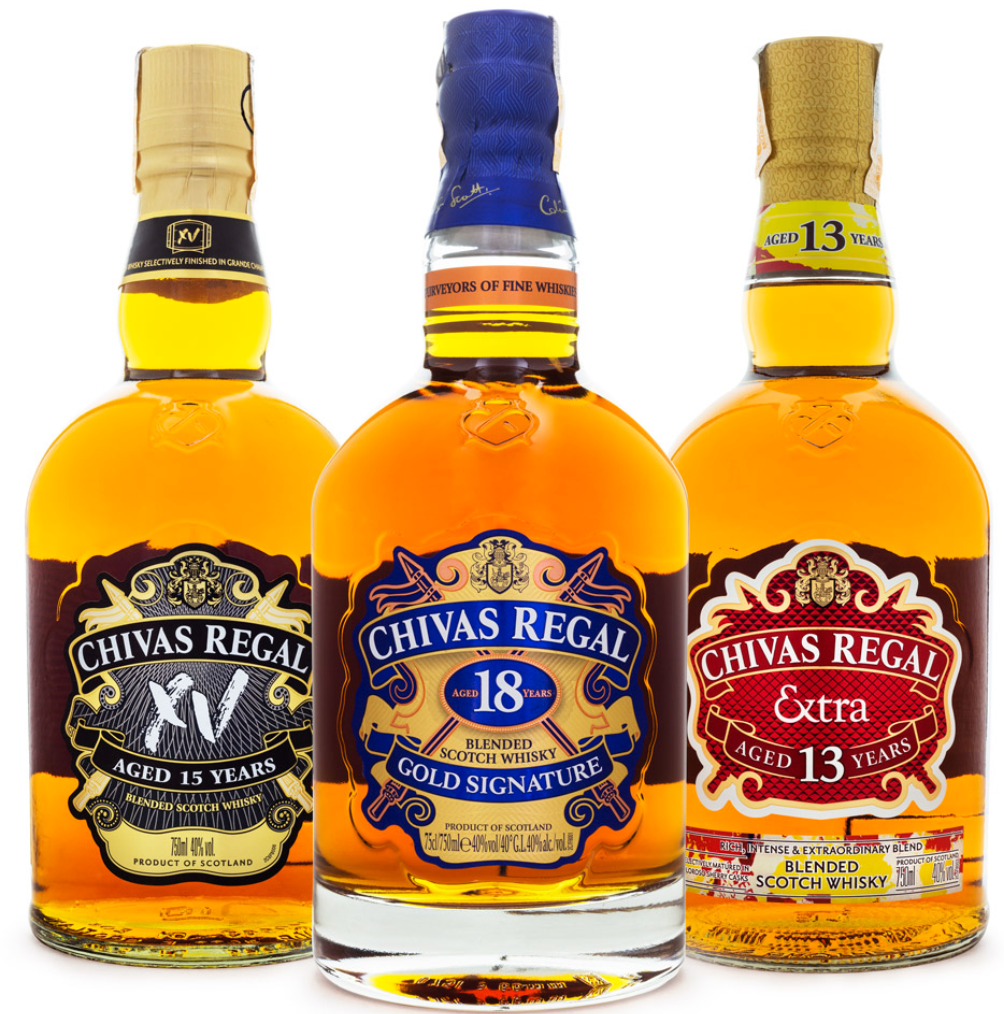
Then, in 1949, at a moment when pre-war reserves were scarce across the trade, Barclay acted to secure more stock and, critically, brand rights. He helped Bronfman acquire Chivas Brothers in 1949, bringing the Chivas name under Seagram’s control. A year later, in 1950, Barclay acquired Strathisla, again on Seagram’s behalf, giving the Chivas venture a distillery anchor and a reliable malt supply. Another thread of the same story emphasizes how that purchase restored order after turbulent ownership, once again showing Barclay’s repeated role as the fixer who could find and negotiate the right asset at the very moment it became available.
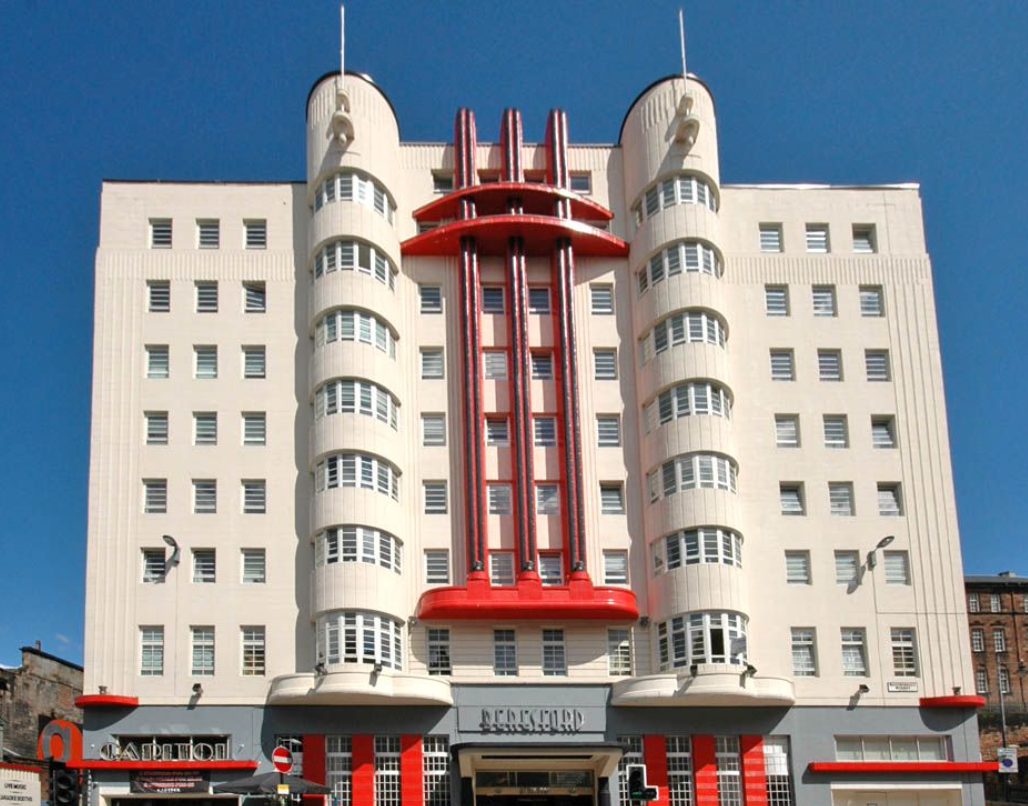
With stocks, a brand name, and a distillery base aligned, the final requirement was a blend that could justify the ambition. Seagram’s brought in blender Charlie Julian, who re-formulated Chivas as a rich 12-year-old blend. Chivas Regal was launched in New York in August 1951, entering a market that was hungry for quality Scotch after wartime disruptions and lean inventories had led to a less-than-stellar product having been released across the board. By 1960, Chivas Regal had become a major American success, and Barclay’s reputation, already large, was now attached to two global blend stories: Ballantine’s and Chivas Regal. Yet he did not settle into comfortable stewardship. He left the Chivas board in the late 1950s, suddenly interested in hotel ownership, such as Glasgow’s extraordinary art-deco Beresford, which he bought outright. He also acquired several farms, and kept interests in the Bahamas.
The next phase of his career showed how easily he moved between brands, companies, and deals. In the 1930s, connections with Hiram Walker and its Scotch interests pulled Barclay into another circle of power. He helped arrange the purchase of Miltonduff and Glenburgie, distilleries whose malt would support blends at scale, and worked with others to create a new prestige expression which he called “Ballantine’s 17-Year-Old”. Even before the 1930s ended, Barclay had already begun working closely with Sam Bronfman of Seagram’s in a partnership that would harden his legacy into something more permanent than Prohibition stories. Bronfman wanted a blended Scotch capable of competing with the great global brands, and that ambition required two things that were never simple: aged whisky stocks and infrastructure. Barclay helped deliver both.
Barclay died in 1963. At his death, it was said that his firm held enormous private whisky stocks; an ending that matches the arc of his life: from an office boy surrounded by ledgers to a landowner and power broker surrounded by invaluable casks of whisky. In that sense, Jimmy Barclay’s life reads like an industry parable written in real transactions. He rose with the trade’s 20th-century transformation, when Scotch stopped being primarily a local product and became a managed global identity, and he helped shape the two blended empires that, even now, still define what much of the world means when it says the word “Scotch.”
Sources:
Scotch Whisky, “Jimmy Barclay, Ballantine’s and Chivas Regal”, Iain Russell, 27 March 2018, scotchwhisky.com
Edinburgh Whisky Academy, “A History of Glenlivet (the place)”, Iain Russell, edinburghwhiskyacademy.com
Whisky Magazine, Issue 100, “100 Greatest Whisky People”, Gavin Smith, 02 December 2011
Business and Economic History On-Line, Vol. 7, “Seagram Comes to Scotland, 1949–1965”, Graham D. Taylor, 2009
Whisky Magazine (Issue 17), “A very regal distillery (Strathisla)”, David Stirk, 16 July 2001
Contributed by Tracy McLemore, Fairview, Tennessee USA
The Beresford, Glasgow