Robert Bain
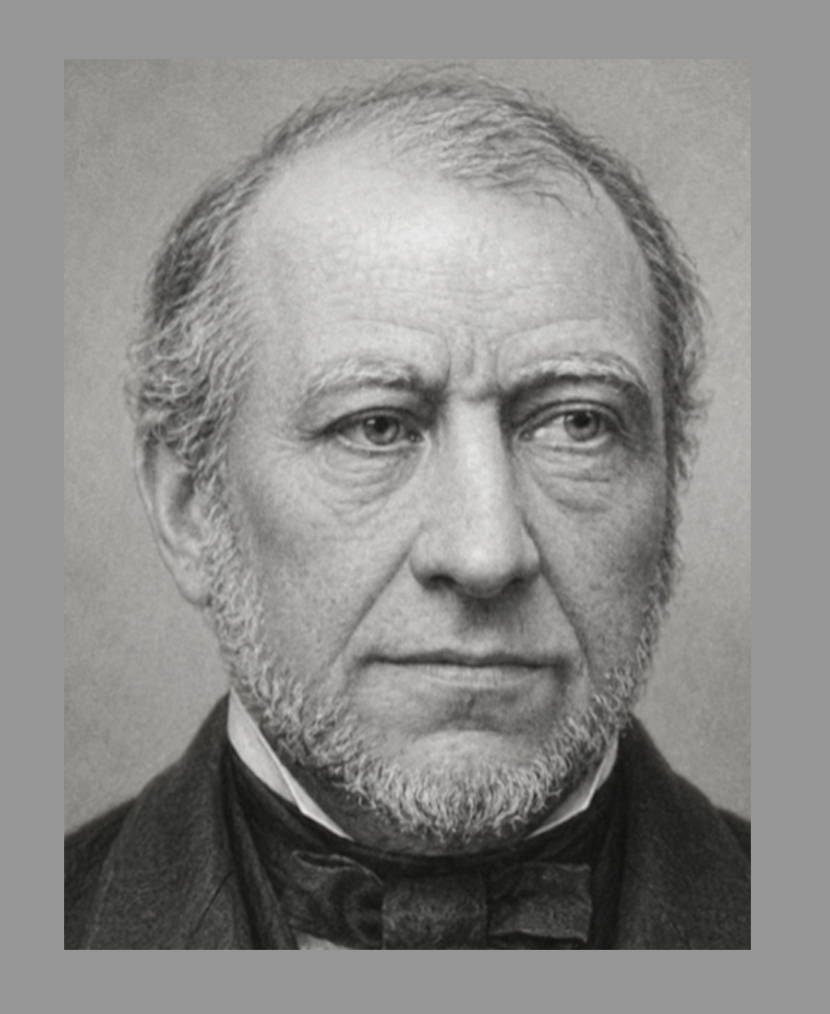
There are no actual photographs of Robert Bain.
Above is an AI-generated image of him based on facts known about his life.
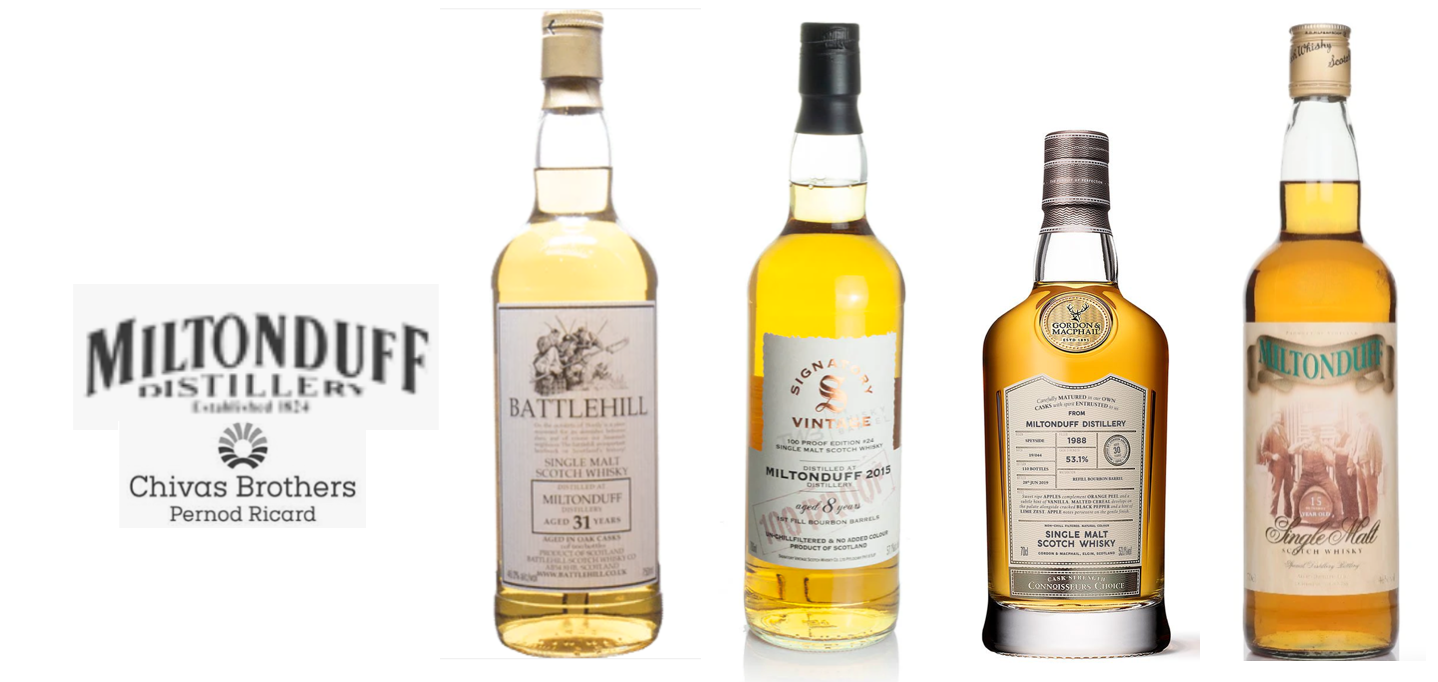
Miltonduff Distillery traces its origins to the years immediately following the Excise Act of 1823, the legislation that transformed Scotch whisky production by allowing previously illicit distillers to operate legally. Among the men who seized that opportunity was Robert Bain, the co-founder of the distillery that would become one of Speyside’s enduring whisky institutions. Bain’s surviving historical record shows the outline of a practical businessman who helped guide a once-illicit operation into the legal whisky trade during one of the industry's most transformative eras.
Robert Bain was born in Scotland around 1777. Little is known of his parents or childhood, but as a 22-year-old, on 4 June 1799, he married Jane Brander. The couple would have six sons and six daughters and remained together for twenty-seven years. Their marriage ended tragically in 1827 when Jane died at the age of forty-eight while giving birth to their youngest child.
During Bain’s early adulthood, whisky production in much of Scotland still operated in a legal gray area. Long before a licensed distillery appeared, illicit whisky had been produced on the site that would eventually become Miltonduff. Located southwest of Elgin in Moray, near Pluscarden Abbey, the property occupied the grounds of an old malt mill. Abundant water supplies and productive agricultural land made the area particularly well suited to distillation. The original illicit farm distillery was known simply as “Milton.”
The passage of the Excise Act created new opportunities for operators willing to bring their businesses into compliance with the law. Bain and his business partner, Andrew Peary, quickly recognized the potential. In 1824, they obtained an official license to distill whisky, effectively founding Miltonduff Distillery. They incorporated the name “Duff” into the distillery’s title in recognition of the Duff family, the local landowners associated with the estate on which the distillery operated.
Bain’s actions suggest that he already possessed practical experience in whisky production and agricultural business management. Rural distillers of the period required substantial knowledge of grain handling, fermentation, local trade relationships, and increasingly complex excise regulations. Bain and Peary were not merely speculative investors entering a fashionable trade. Rather, they stepped into a difficult and highly competitive business that demanded operational expertise and local credibility.
The distillery drew its water from the Black Burn, a source long associated with brewing and distilling in the area. Under Bain and Peary’s management, Miltonduff achieved moderate success as a legal whisky producer during a period when Scotland’s distilling industry was rapidly evolving.
Bain remained associated with the business until his death in 1855. Following his passing, Peary, by then more than sixty years old himself, sold the distillery to William Stuart, who promptly resold it to Thomas Yool & Company. Under Yool’s ownership, Miltonduff expanded significantly during the whisky boom of the late nineteenth century.
The distillery entered a new phase in 1936 when it was acquired by Hiram Walker. The Canadian distiller had amassed considerable wealth by supplying whisky to the United States during Prohibition and, after the repeal of the alcohol ban, sought to secure reliable sources of whisky for its Ballantine’s blended Scotch brand. During Walker’s ownership, a set of Lomond stills was installed at Miltonduff, allowing the production of different spirit styles. A major reconstruction followed in 1974, further increasing the distillery’s capacity
By the early 1980s, however, the Scotch whisky industry faced serious challenges. Years of overproduction created a vast surplus of maturing whisky, a crisis that became known as the “whisky loch.” As demand weakened, the Lomond stills were removed and production at Miltonduff slowed. Then, another ownership change came in 1987 when Hiram Walker was acquired by Allied Distillers. Allied itself became part of Pernod Ricard in 2005, bringing Miltonduff into the Chivas Brothers portfolio for the first time.
Although Bain did not live to witness Miltonduff’s twentieth-century expansion or its place within a global spirits company, his role in establishing the licensed distillery remained central to every later chapter of its story. Today, Miltonduff stands as one of Speyside’s enduring distilleries, still operating more than two centuries after Bain helped establish it. Its whisky continues to flow into blends enjoyed around the world, particularly Ballantine’s. And while Bain himself remains partially hidden behind the sparse records of early nineteenth-century Scotland, the distillery he built became his lasting legacy. The legal enterprise launched more than 200 years earlier has survived wars, ownership changes, industrial modernization, and shifting global markets. With that, few early Scotch whisky pioneers can claim a more enduring achievement than Robert Bain.
Sources:
Whisky.com, “Miltonduff Distillery”, whisky.com
Whisky1901, “Distillery Profile: Miltonduff”, whisky1901.com
Scotch Malt Whisky Society, “Unsung Hero: Miltonduff”, smws.com
Whisky for Everyone, “Miltonduff Distillery”, whiskyforeveryone.com
Distilando beta, “Miltonduff”, distilando.com
Family Search (ancestry), “Jane Brander (1779-1827)”. ancestors.familysearch.org
Contributed by Tracy McLemore, Fairview, Tennessee USA