George Connell

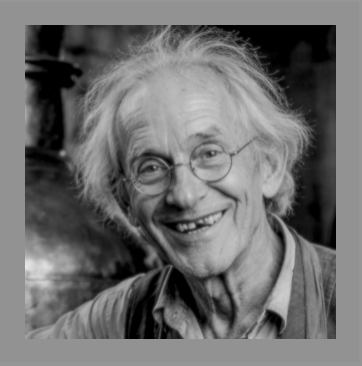
There are no known photographs of George Connell in existence. Above
is an AI-generated image of him based on facts known about his life.
George Connell’s world sat in the folds of the Campsie Fells, where Dumgoyne Hill rises like a blunt landmark just north of Glasgow. Water cut the place into hiding spots: burns dropping through trees, a glen that could swallow smoke, and a working landscape of farms, tracks, and stone buildings that looked ordinary until you remembered what Scotland’s whisky economy had recently been; an industry forced into the shadows by taxes, then pulled back into daylight by law. By the early nineteenth century, illicit distillation was not a colorful exception around Dumgoyne; it was part of the local pattern. Hills and woods gave cover, and records had been cited for at least eighteen illegal stills operating in the area. Those numbers matter tell what Connell was stepping into: not a blank slate, but a mature underground trade with routes, habits, and a customer base, especially with Glasgow’s wealth close enough to feel like a gravitational pull.
Unexpectedly, then, George Connell was at Burnfoot Farm in 1820, distilling in secret. George had been born in 1795, the son of Jon and Elisabeth McDougal Connell, and from an early age, he learned the business of hidden distilling the way many did: not through a deed and an established apprenticeship, but through his grandfather. The old man had taught George a cautious routine of water being gathered quietly, malt handled without drawing attention, and spirit moved along paths that made sense to locals and looked like nothing to outsiders.
On 2 April 1815, George married Janet Ireland in New Abbey, Kirkcudbrightshire, when he was 20. The couple had a daughter, Jessie Andrews Connell a few years later, no doubt prompting George to commence his wayward, but lucrative practice despite the odds. Then the law changed the calculus. Scotland’s licensing environment shifted in 1823, as did reforms that reduced the barriers to legal distilling. By 1833, Connell made the move that turns him from a local operator into a founder: he built openly, took out a license to distill, and named the place Burnfoot. It is hard to overstate what “openly” meant in a district where hiding had been a survival skill. Legalization did not just protect a distiller from raids; it allowed him to invest in buildings that could last, to work at a scale that did not require constant evasion, and to plan around steady supply rather than sudden loss.
Connell’s choice of site was practical in several overlapping ways. The water was reliable and close. A burn fell over a 16-meter waterfall upstream of the distillery, an obvious source for earlier illicit operations, and still a natural anchor for any legal one. The glen itself offered seclusion even after the business went legitimate; the place had been “hidden” by geography long before paperwork made it respectable. Just as important, the location sat at a boundary that created opportunity. The tactical border between what is known as scotch whisky’s “Highlands” and its “Lowlands” was effectively across the road from Burnfoot. For Connell, the immediate advantage was simple: a Highland distillery near a major city, since the area’s proximity to Glasgow meant markets were not distant abstractions, but were reachable. Connell was reportedly so impressed by his choice of site, that he executed a 99-year lease on the property, paying only £8 for the opportunity.
In part, because of his careful choice of site for his distillery, Connell’s physical legacy on the ground endured longer than many Highland ventures of the era. Accounts note that his 1833 buildings remained recognizable generations later, even as the land modernized around them. A tall chimney associated with his early works survived well into the twentieth century before later fuel changes made it obsolete. And beyond the stillhouse structures, Connell’s early tenure is tied to the acquisition of land and storage: he had taken out a lease a warehouse that remained in use much later on. Those details show the mindset of a man building for continuity and treating whisky not as a quick turn, but as a product that needs space, time, and infrastructure.
One of the most telling symbols of Connell’s era was not his, but the government’s: the customs officer’s house, a statutory requirement for distilleries for much of modern Scotch history. Its continued presence near Burnfoot was a reminder to Connell that legal whisky came with supervision baked into the architecture. After the Excise law, Connell’s license did not just grant permission; it invited oversight to live on his doorstep.
In 1851 Burnfoot left the then-56-year-old Connell’s hands, when he sold it to the MacLelland family. Connell’s founding phase had lasted long enough to establish a popular, working, legal distillery. The site then entered a much longer corporate life, in which its output would increasingly serve blending interests and larger ownership structures.
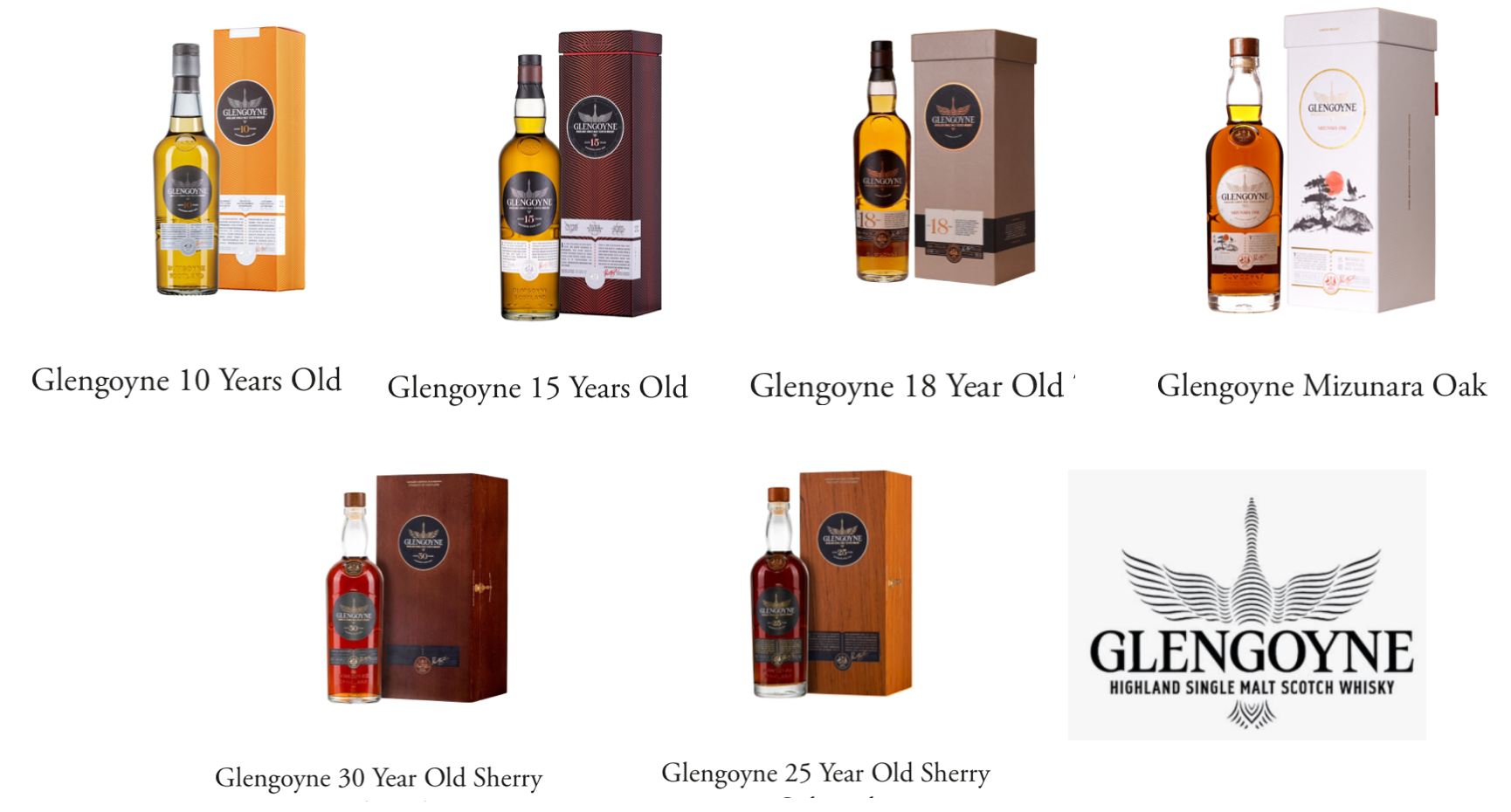
George Connell died in 1869 age the age of 74; Janet outlived him by four years. By then, Burnfoot’s name had changed. Connell’s distillery became Glen Guin, and the anglicized Glengoyne was adopted later. In time, the distillery was acquired by Lang Brothers in the late nineteenth century, then later absorbed into bigger groups before being sold in 2003 to Ian Macleod, each step moving it further from the one-man decision to legalize a farm-side still. Soon Burnfoot/Glengoyne was closer to the modern identity of a major visitor destination and established single malt brand. Yet the core of Connell’s story stays stubbornly local: a farmer-distiller in a place where “hidden” had been normal, choosing in 1833 to build in plain sight. He did it at a location defined by water, cover, and access; protected by terrain but connected to the city that could buy what he made. That combination, seclusion plus reach, is one of the reasons Glengoyne outlasted so many neighbors in a district veritably littered with distilleries that did not make it. In the end, the shape of Connell’s decision is now clear: the shady, rural distiller had a vision and pursuing it, turned a landscape of illicit skill into a legal enterprise with buildings, leases, and a name that could be written down.
Sources:
Whiskypedia, “Glengoyne”, scotchwhisky.com/whiskypedia/1858/glengoyne/
Whisky Magazine/Issue 20, “Sole Survivor (Glengoyne)”, John Lamond, 16 December 2001
Whisky.com, “Glengoyne Distillery”, www.whisky.com
A Scot on Scotch, “Glengoyne 18 Year Old”, Neill Murphy, January 10, 2019
Abbey Whisky, “Friday Focus: Glengoyne Distillery…”, Emma Jones, 16 October 2022
Difford’s Guide, “Glengoyne Distillery”, diffordsguide.com
Celtic Life, “Glengoyne”, Andrew Ferguson, 3 May 2018
Contributed by Tracy McLemore, Fairview, Tennessee USA