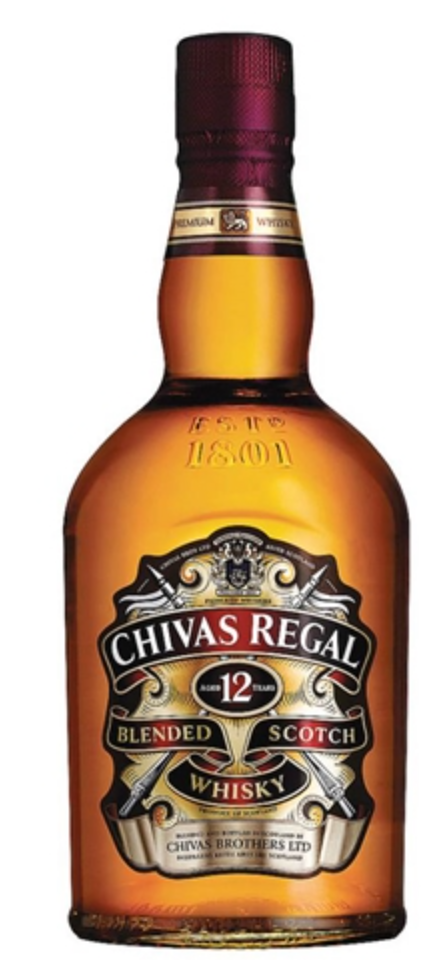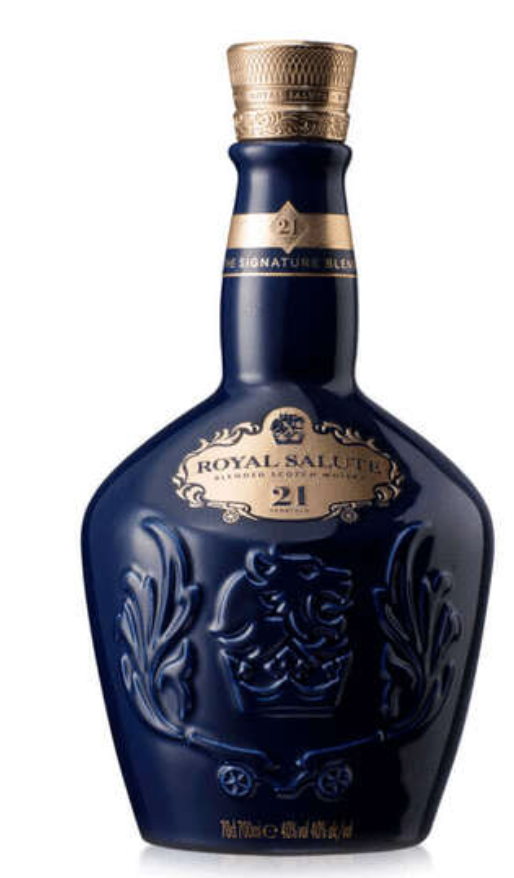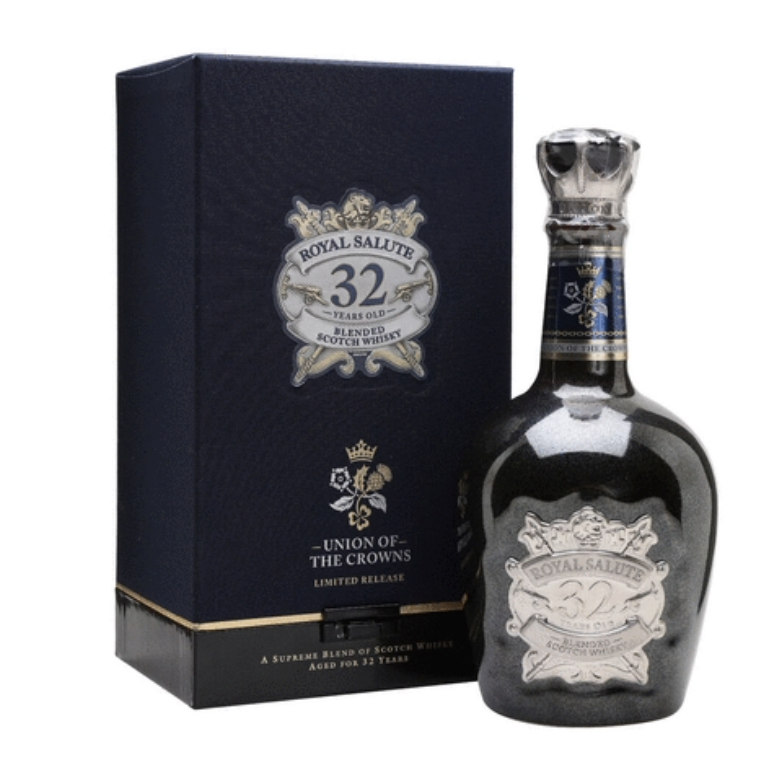
John & James Chivas

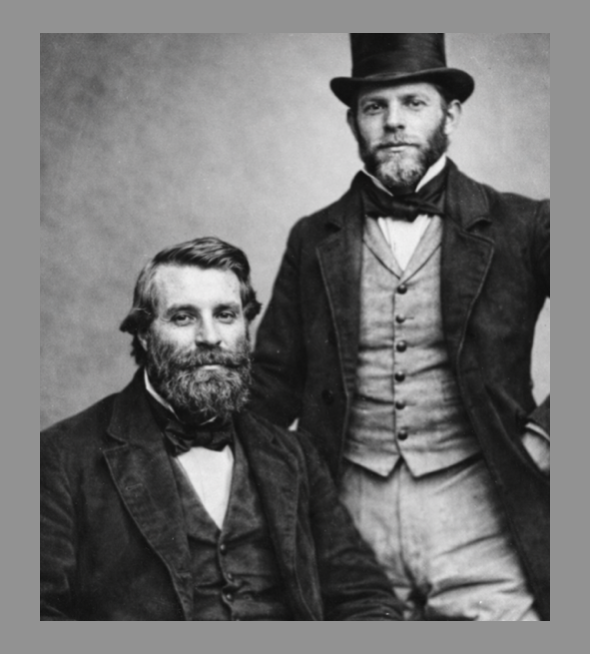
Above is an AI-enhanced image of a representqative depiction of the Chivas brothers from about 1835.
In the early 1800s, long before “Premium Scotch” was a category and long before the word brand carried the global weight it does today, two brothers from a tenant-farming family left rural Aberdeenshire with the same practical ambition that drove so many Scots toward the city: work that paid, skills that lasted, and a chance to build something sturdier than a hard season on thin soil. James Chivas was born in 1810, and his younger brother John four years later. They were raised in the parish of Ellon in Aberdeenshire, in a large family headed by Robert and Christian Chivas. Their beginnings were agricultural and unglamorous, exactly the sort of background that tends to disappear behind the shine of a famous whisky label; but it mattered, because it gave them a lifelong understanding of stores, stocks, and the simple truth that quality is something you lay in and protect.
In 1836, James and John made the decision that changed the family name forever: they left the farm for Aberdeen, then a bustling port city where money, taste, and imported goods flowed through a growing merchant class. James, who was older, and thus more ready to commit himself to trade, entered the grocery and luxury-goods world that would become his life’s work. He joined the business connected to William Edwards, who had taken over a respected Aberdeen grocery, wine, and spirits concern that traced back to the merchant John Forrest and the shop on Castle Street. By 1838, James had advanced far enough to become a partner, a rise that speaks to his talent for the job and the trust he earned in a competitive, reputation-driven business.
When his partner Edwards died in 1841, the enterprise moved into a new phase, and James did what successful merchants do: he adapted. A new partnership formed with Charles Stewart, and the firm became Stewart & Chivas. In the Aberdeen of that era, a grocer wasn’t merely selling flour and tea; the best “provision merchants” were curators of taste: importers, blenders of coffee, selectors of wines, and, increasingly, judges of whisky. For James, the job was as much about relationships as inventory: meeting the preferences of affluent customers and providing goods that signaled refinement.
That reputation reached the top of society. In 1843, the business received a Royal Warrant to supply goods to Queen Victoria, and in 1850 it was appointed Royal Grocer to the Duchess of Kent (Victoria’s mother). Those appointments weren’t ceremonial. In Victorian Britain, royal patronage was a commercial force: it validated the shop’s quality and pulled wealthy customers toward the same counter. James’s career, in other words, intersected directly with the era’s most powerful symbol of status.
That reputation reached the top of society. In 1843, the business received a Royal Warrant to supply goods to Queen Victoria, and in 1850 it was appointed Royal Grocer to the Duchess of Kent (Victoria’s mother). Those appointments weren’t ceremonial. In Victorian Britain, royal patronage was a commercial force: it validated the shop’s quality and pulled wealthy customers toward the same counter. James’s career, in other words, intersected directly with the era’s most powerful symbol of status.
James Chivas
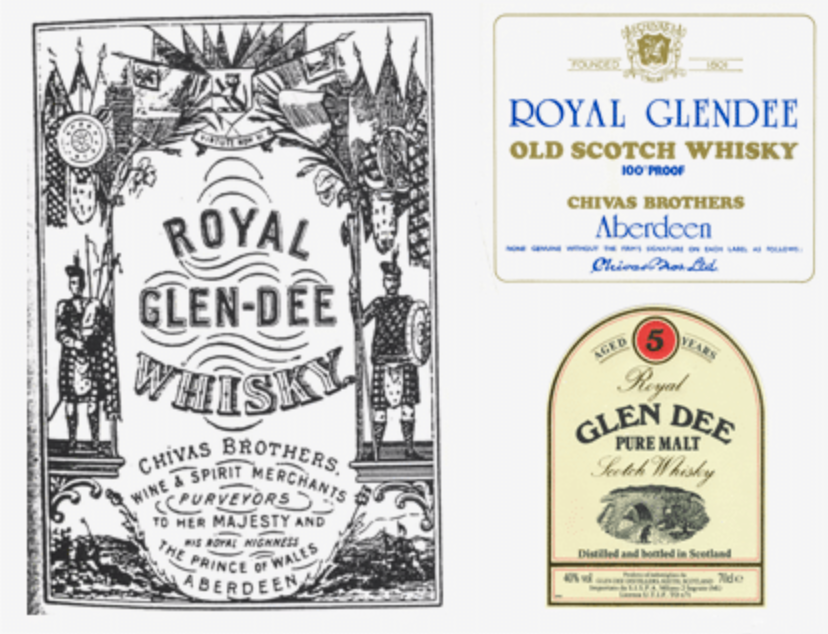
Then came the shift that ties James Chivas to whisky history. During the 1850s, customers with money and expectations increasingly wanted whisky that was smoother and more consistent than many single malts of the period could offer them. The legal landscape also evolved in ways that encouraged merchants to become makers: the Forbes-Mackenzie Act (1853) helped formalize practices around holding and marrying spirits in bonded warehouses, accelerating the commercial rise of blending. In this moment, James and his partners began creating proprietary whisky blends for their clientele. Royal Glen Dee emerged in 1854 as one of the firm’s early named blends, an important step in the long path from “merchant’s cask” to labeled identity.
James’s personal life, unlike John’s, is documented in ways that let us see the man behind the counter. In January 1854, James married Joyce Clapperton. They had four children, and later legal records make clear the family structure that survived him: two sons and two daughters. James’s death is precisely recorded: he died on 8 July 1886, and he was survived by his widow and his four children.
The same legal record reveals something else: James thought like a merchant to the end. His estate planning addressed the family home, the division of the business, and the practical mechanisms of transfer—payments, valuations, and trusteeship—showing a man who understood that prosperity is fragile unless it’s structured. The Chivas name did not become enduring by accident; it was protected by paperwork and principles as much as by palate.
John Chivas
John Chivas, who was born in 1814, made the same rural-to-urban leap, but his early years in Aberdeen followed a different lane. Rather than entering the grocery trade immediately, John worked for a wholesale footwear and apparel firm, D. L. Shirres & Co. That work still placed him inside the merchant economy; relationships, distribution, credit, and logistics, just from a different doorway. It was experience that mattered later, because the Chivas enterprise grew not only by blending but by moving product efficiently and credibly through the networks of the day.
By the late 1850s, the brothers’ paths converged fully. The partnership with Charles Stewart ended, and in 1857 John joined James in business, an event widely treated as the moment Chivas Brothers became the operating name and identity of the firm. If James supplied the steady rise through the grocery and luxury-goods world, John supplied reinforcement: an additional partner with commercial experience and, crucially, a shared family stake in building something that would far outlast them both.
In the whisky story, John’s importance is partly structural. A blending house can develop beautiful recipes, but it also needs continuity in terms of stock management, customer trust, and a reliable way to fulfill demand without compromising quality. Published timelines of the firm consistently note that after John joined, Chivas Brothers continued developing proprietary whiskies, including Royal Strathythan in 1863, which followed the earlier Royal Glen Dee and reflects the firm’s growing seriousness about Scotch as a signature product rather than merely another item on a long inventory list.
John’s life was shorter than James’s. He died in 1862, when he was only 48 years old. The published business histories that record his employment, partnership, and death do not provide reliable detail about a wife or children in the way James’s estate record does; John appears in the surviving narrative mainly as the working brother, first in wholesale trade, then as James’s partner in the Chivas enterprise.
Two brothers, one method:
James outlived John by nearly a quarter century, long enough to see the house solidify and to put the business into a form that could be inherited. After James’s death in 1886, the business passed through the family, most notably to his son, Alexander. Ultimately, the Chivas line’s direct control ended in the 1890s. Yet the most striking part of the story is what happened after both founders were gone: around 1900, the firm’s leaders deliberately looked back to James and John as the symbol of the house style, and in 1909 the master blender Charles Stewart Howard created Chivas Regal 25, a luxury blend intended for the American market and named to carry the brothers’ legacy forward. The product that would make “Chivas Regal” famous was not made by the brothers themselves, but it was built from the structure they created: a merchant’s insistence on quality, a blender’s pursuit of smoothness and consistency, and a family partnership rooted in work rather than romance. That is the final bond between them. James was the builder who climbed from a farm upbringing into royal patronage and left behind a carefully ordered family and estate. John was the younger brother whose commercial experience helped complete the partnership at the moment the firm’s whisky identity was crystallizing. Together, they turned the everyday discipline of provisioning, that is, knowing what people want, finding it, and keeping it excellent, into the foundation for one of Scotch whisky’s most enduring names.
Sources:
VLEX (Court of Session case), “Chivas’ Trustees v Chivas”, 17 October 1893, vlex.co.uk
Find a Grave/James Chivas, https://www.findagrave.com/memorial/189812751/james-chivas
Whiskypedia, “Chivas Regal”, scotchwhisky.com
Whisky Auctioneer, “Chivas Brothers” , whiskyauctioneer.com
The Press and Journal, “How Two Penniless Ellon Brothers Walked to Aberdeen and Created a Global Luxury Whisky Brand”, Scott Begbie, 26 August 2020
Chivas official website/About Us, chivas.com
Contributed by Tracy McLemore, Fairview, Tennessee USA