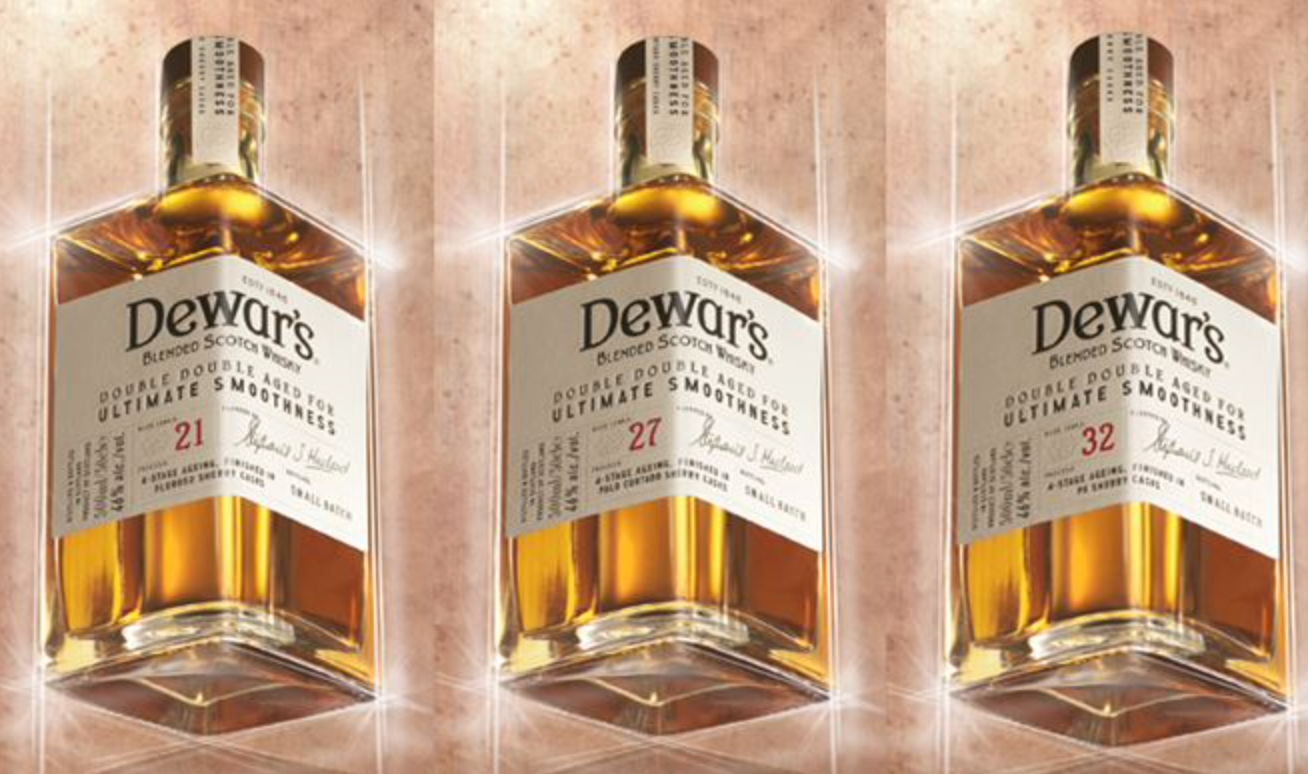
John Dewer

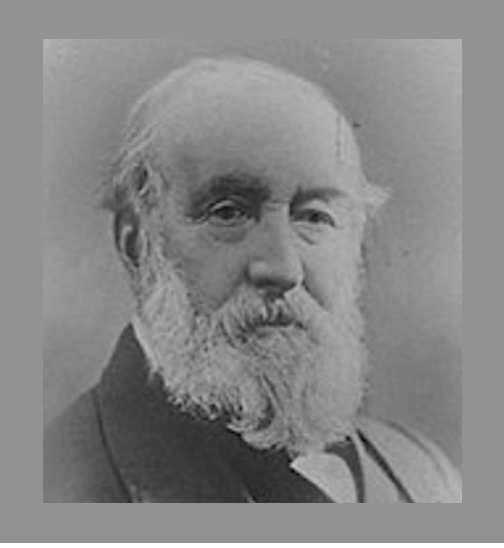
Above is an AI-generated image of John Dewar based on facts known about his life
John Dewar was born on January 6, 1805, in the tiny Perthshire hamlet of Dull, near Aberfeldy, an inauspicious beginning for a man whose surname would later travel on labels to every corner of the globe. He grew up in a farming family, learning early what steady work looked like and what weather and seasons can do to plans. Before whisky entered his life as a livelihood, Dewar trained with his hands: he served an apprenticeship in skilled woodworking, as a joiner. That background mattered. Joiners measure twice, cut once; they learn to notice tiny flaws; they build things meant to last; all are not bad instincts for someone who will later make a living judging spirit quality, choosing casks, and building a reputation that utterly demanded consistency.
In his early twenties, Dewar left rural Perthshire for Perth, a much larger town with commerce, customers, and the kind of daily bustle that can reward a sharp eye. He found work in a wine and spirits firm connected to his extended family, an entry point that put him close to the practical realities of buying, storing, and selling drink in an era when distribution was local, credit mattered, and reputation spread quickly by word of mouth. By 1837, he had risen far enough to become a partner in that business. Partnership was not just a title; it signaled public trust in his judgment, his steadiness, and his ability to keep customers coming back.
Dewar’s personal life also began to settle into focus in the mid-1840s. On June 24, 1845, he married Jane Gow. John and Jane's marriage would result in a large family but, heartbreakingly, also the loss of several young children in an age when childhood illness too often rewrote family trees. The couple’s eight children were: John, Agnes, James Gow, Alexander, John Alexander, Charles, Arthur, and Thomas Robert (“Tommy”), but, sadly, the first three died either as infants or toddlers.
A year after his marriage, Dewar made the move that would define his public legacy. In 1846, he left the partnership and opened his own wine and spirits shop on Perth’s High Street, trading under his own name. This placed him directly in the stream of customers, not just behind the scenes as a wholesaler. He was no longer merely handling other people’s products; he was building a business in which his name was the promise, and over time, that name would certainly become more than a shop sign. Dewar became associated with an approach: selecting spirits carefully, working toward a house style, and treating consistency as something you could build rather than merely hope for.
In the decades that followed, Dewar began blending whisky by combining malt and grain whiskies to create a profile that could be repeated and that could appeal beyond a single neighborhood. Blending was not a gimmick in his hands; it was a commercial solution to an old problem. When whisky came from many producers and varied cask to cask, a merchant who could deliver a dependable, repeatable taste had an advantage.
Dewar also leaned into something that seems obvious now but was not universal then—branding and packaging. He became known as an early merchant to sell whisky in glass bottles bearing his name, instead of relying only on the more common containers of the period. A bottle with a name on it does more than hold liquid, it fixes accountability:If the whisky disappoints, the blame has an address. If it delights, the customer knows exactly what to ask for next time, and where to get it.
As his sons grew, the family business became what its later name suggested: a firm meant to outlive any one man’s working life. Dewar’s son John Alexander entered the company in 1871, learning the trade inside the enterprise his father had built. By 1879, John Alexander had become a partner, positioning the next generation to take responsibility while the founder was still alive. This kind of transition, gradual, hands-on, and practical, was the opposite of a ceremonial handoff. It suggests a father who wanted continuity: skills passed down, relationships maintained, standards enforced.
At the age of 75, John Dewar’s life ended on January 22, 1880. He was buried in Wellshill Cemetery in Perth, where Jane would later be buried as well. The timing mattered for the family and the company: when he died, his sons were still relatively young, but the groundwork John had lain—shop, name, customer trust, and a working method, was in place. Dewar’s lasting achievement was not simply “founding a brand.” It was building a business model in which Scotch whisky could be sold with repeatable identity, and one that could be scaled by the next generation without losing the connection between product and maker.
Tommy Dewar, born January 6, 1864, grew up inside that atmosphere, with whisky not as romance, but as invoices, deliveries, customer expectations, and the daily pressure to get quality right. After their father’s death, Tommy and his older brother John Alexander carried the firm forward, but they did so as complements rather than duplicates, with Tommy becoming especially associated with outward expansion and publicity. In 1885, only a few years after joining the family business, Tommy moved to London to open a company office intended to support broader growth; by 1886 he had been made a partner. London gave him a stage equal to his personality and ambition: it was the empire’s commercial hub, and the place where relationships, visibility, and salesmanship could turn a respected Scotch name into an international one.
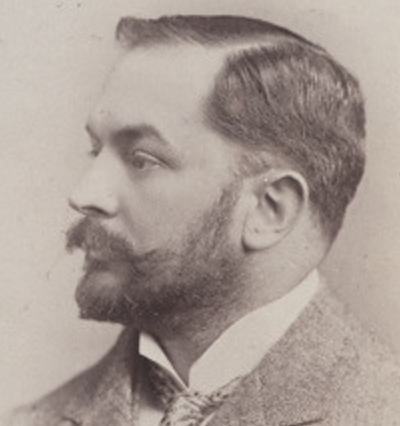
Tommy Dewar
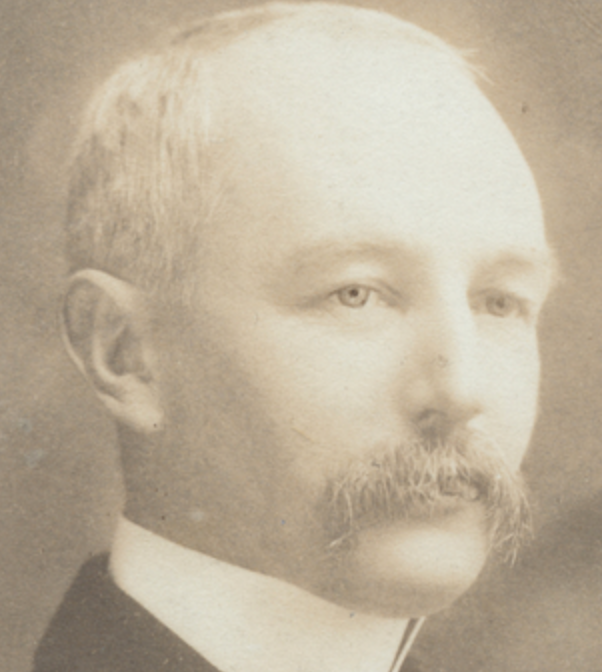
John Alexander Dewar
Tommy’s later life became famous in its own right, mixing business, travel, and a public persona that helped keep Dewar’s in the conversation. His global promotional travel was later captured in his book A Ramble Round the Globe, published in 1894 by Chatto & Windus. He never married, and when he died on April 11, 1930, the title he held became extinct. However colorful Tommy’s legend became, the foundation under it—blending practice, brand identity, and a family enterprise ready for succession, was the work the family patriarch John Dewar had already done in Perth, one careful step at a time.
Sources:
Encyclopedia.com, “John Dewar & Sons, Ltd.”
Difford’s Guide, “John Dewar and Sons”, diffordsguide.com
Dewar’s official website, “Discover Dewar’s”, www.dewars.com
Strathprints/University of Strathclyde repository, “Local Patriots: Dewar’s Scotch Whisky…”, Mackenzie, Gordon, and Gannon, strathprints.strath.ac.uk
Find a Grave/John Dewar, www.findagrave.com/memorial/233530584/john-dewar
Contributed by Tracy McLemore, Fairview, Tennessee USA