

Mary Dowling

“Pivot to Mexico”
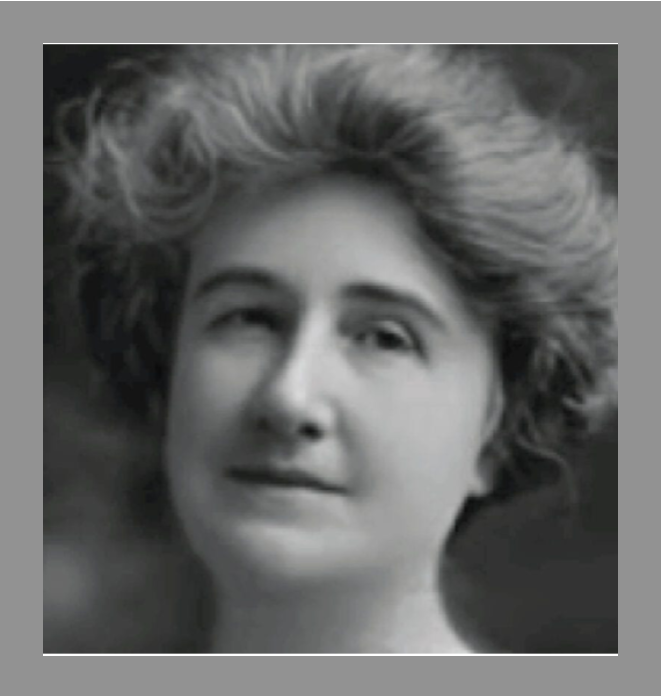
Mary Ann Murphy was born on January 10, 1859, to Irish Catholic immigrant parents in Anderson County, Kentucky, and her childhood was spent near Lawrenceburg. At the age of 17, Mary married John L. Dowling, a fellow Irish immigrant 17 years her senior who was already active in the whiskey trade in Anderson County. The Dowling’s partnership would come to define one of the most durable pre-Prohibition bourbon operations in the Bluegrass State up to that time. John and Mary ultimately had nine children, eight of whom lived to adulthood; their youngest, Emmett, was born when Mary was 40.
During the 1880s and 1890s the Dowlings’ whiskey footprint expanded around Lawrenceburg, and even into Mercer County. John became a partner in the long-running Waterfill & Frazier distillery of Tyrone, which had first been founded in 1810. The establishment, which came to be known as Waterfill, Dowling & Company, grew rapidly, increasing both mashing and warehouse capacity throughout the 1890s. At the same time, the family extended its interests into Harrodsburg, where John L. and his brother ML Dowling bought another distilling plant. That distillery was promptly renamed “Dowling Brothers” and it operated right up to Prohibition.
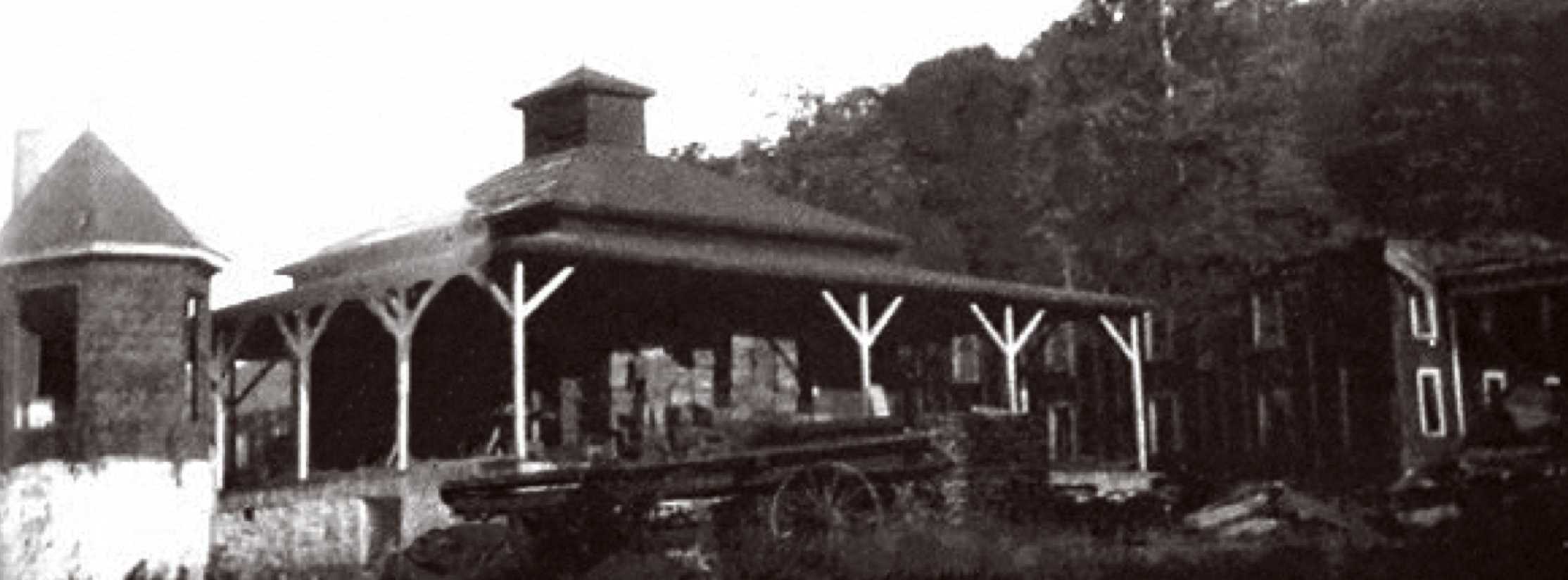
The Waterfill & Frazier Distillery in about 1890
The 20th century stated out well enough for the Dowlings, but quickly turned tragic. In 1903, John L. Dowling unexpectedly died at the age of 62, leaving Mary a widow and, critically, an owner who now shouldered the full leadership of the family’s whiskey business. The next year, a major fire destroyed the Waterfill, Dowling and Company distillery. However, Mary quickly had the plant rebuilt and kept whiskey moving, an early example of her astute and practical command.
The pre-Prohibition years saw Waterfill & Frazier established as a significant Kentucky bourbon. Numerous records summarized by historians show increased mashing capacity and ever-larger aging stocks into the 1900s, reflecting the brand’s continued growth. Unfortunately, Prohibition was instituted in 1920, and that dark period effectively shut nearly every Kentucky distillery. Waterfill & Frazier was not one of them fortunate enough to receive a coveted “medicinal” whiskey permit. So in March 1923 federal agents conducted a sting at the Dowling family home and at nearby warehouses, and Mary and several adult children were charged with violating the Dry Laws. After years of litigation, including a notable reversal tied to missing stenographic notes, convictions in 1926 set the scene for Mary’s most audacious move: Rather than exit whiskey, in 1926, she hired master distiller Joseph L. Beam to take the Waterfill & Frazier plant down piece-by-piece, and ship it to Ciudad Juárez, Mexico. There Beam was to wholly rebuild it to make bourbon outside US jurisdiction. Soon, the DM/D&W Distillery of Juárez, was in full operation, legally producing whiskey throughout Prohibition, and well outside the reach of US Marshals. From that Mexican base, Waterfill & Frazier supplied legal markets in Mexico and Latin America and, quite likely, supplied transporters for thirsty Americans at the Texas border. Accounts of the time note significant competitive friction between US “medicinal” sales and Dowling’s Mexican output.
Back in Kentucky, the Dowlings’ opulent brick mansion, known as the Dowling House, which still stands on South Main Street in Lawrenceburg, signals the prosperity the whiskey trade, including the Mexican adventure, had brought the Dowlings. Unfortunately, Mary Ann Murphy Dowling died in February 1930 and is buried in Lawrenceburg Cemetery; she did not live to see national Repeal just three years later in 1933. After her death, one of Mary’s sons built a new post-Prohibition distillery near Louisville called Fisherville, while the Waterfill & Frazier name was later renewed under non-Dowling ownership. After Repeal, the Harrodsburg plant tied to the Dowling Brothers saw a rebuild and middling sales before finally closing during bourbon’s dark days of the 1970s.
Mary Dowling’s name was resurrected to store shelves via the ‘Mary Dowling Whiskey Company,’ launched in 2023 as a tribute brand by Kaveh Zamanian of Louisville’s Rabbit Hole Distillery. The Dowling line includes a Kentucky straight bourbon called “Double Oak” and a high-rye bourbon finished in tequila casks, which playfully links the modern releases to Dowling’s Prohibition-era Mexican production.
In the end, Mary Dowling’s defiance became legend, her ingenuity whispered in both reverence and disbelief across Kentucky’s hollows and valleys. She had outmaneuvered the very government that sought to silence her stills, proving that wit and will could be as potent as whiskey itself. Though she never lived to see Prohibition’s repeal, her legacy endured, an unyielding testament to the spirit of independence and entrepreneurship that has always flowed as freely as bourbon in the Bluegrass.
Sources:
Federation of Historical Bottle Collectors, “How Mary Dowling Outwitted National Prohibition,” Jack Sullivan, November 2015, fohbc.org/wp-content/uploads
Mary Dowling Whiskey Co., “The Story of Mary Dowling,” marydowling.com/her-story
Abandoned Online, “D.L. Moore Distillery/Dowling Distillery,” abandonedonline.net/location/d-l-moore-distillery
Find A Grave, “Mary Ann Murphy Dowling”, findagrave.com
Fred Minnick, “New Bourbon Brand Pays Tribute to Mary Dowling”, June 30, 2023
Some photos courtesy of the Federation of Historical Bottle Collectors
Contributed by Tracy McLemore, Fairview, Tennessee
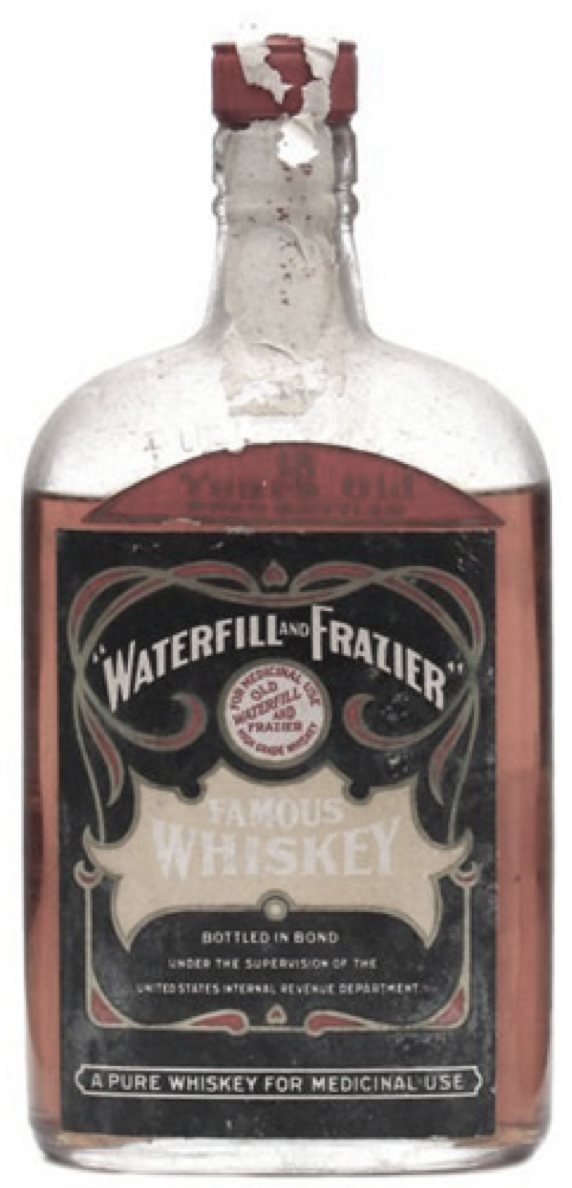
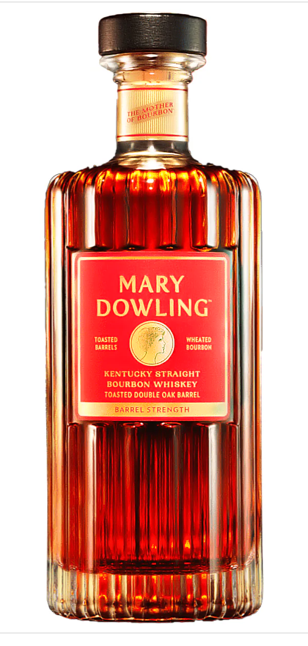
Old Waterfill and Frazier bottle from before Prohibition and new Mary Dowling whiskey from about 115 years later, named after the W&F matriarch