William Fraser

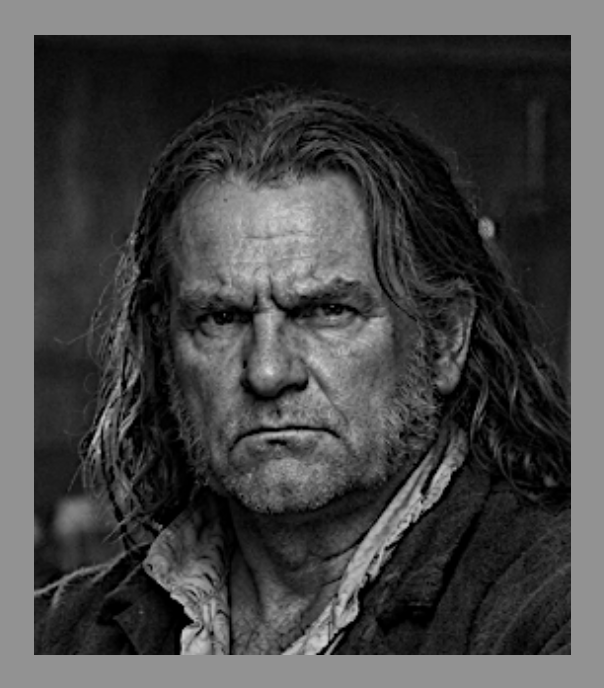
There are no known images of William Fraser. The above AI-generated image is based on facts known about his life.
Captain William Fraser was born on 12 May 1767 on the Cawdor estate in Nairnshire, a landscape shaped as much by social boundaries as by fields and stone walls. Tenant farmers lived close to the land but far from power, and the rhythms of bucolic rural life existed alongside smuggling, military recruitment, and the pull of Britain’s expanding empire. Fraser grew up in this world, where respect, rank, and reputation mattered deeply, and where ambition often required leaving home.
So, at just 15 years old, Fraser departed Scotland, joining the British Army. His leaving marked the beginning of nearly fourteen years overseas, most of them spent in India. There, he served with the 73rd (Highland) Regiment of Foot, a posting that placed him directly in the violent imperial conflicts of the late eighteenth century. During the Third Mysore War, Fraser was wounded at the Battle of Seringapatam in 1792, a major engagement against the forces of Tipu Sultan. The following year, he was wounded again during the siege of French-held Pondicherry, and later took part in the British invasion of the Dutch colonies in Ceylon (modern Sri Lanka). These campaigns were not ceremonial service; they were physically punishing and dangerous, and they left Fraser with lasting health problems..
Illness eventually forced him back to Britain. By 1805, Fraser had secured a posting with a Royal Veteran Battalion at Fort George, near Inverness and not far from his birthplace. Though no longer campaigning abroad, his military identity remained central to how he was known. Long after he returned to civilian life, neighbors and officials alike continued to call him “Captain” William Fraser, not as a courtesy, but as respect of a rank and authority that clung to him permanently.
That same year, 1805, Fraser married Ann Grant in Cawdor parish, Nairnshire. Records are sparse, but theirs was a settled family life rooted in the local estate. Together they had children, including two sons. Robert Fraser, the elder, would later inherit his father’s business interests at Brackla. A second son, Alexander Fraser, was born in 1809. Tragically, Alexander’s life was cut short abroad when he died in Demerara (present-day Guyana) at the age of 21, reflecting once again how imperial service and overseas opportunity shaped even the next generation of the family.
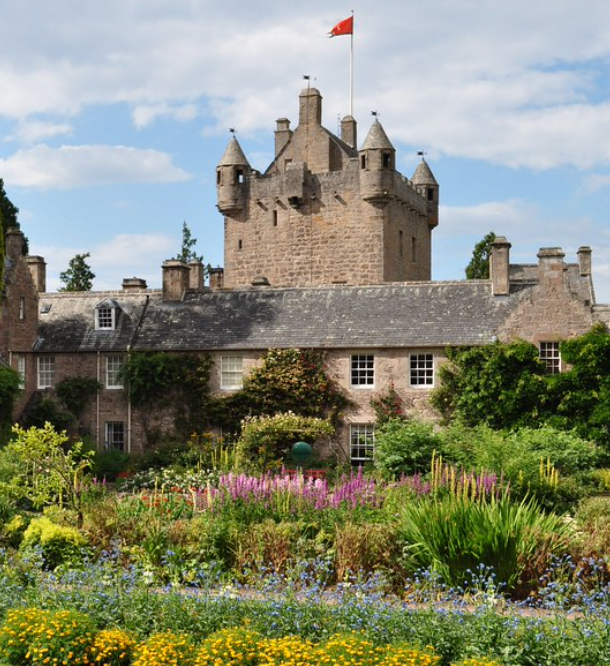
At the age of 45, by 1812, while still technically in military service, Fraser was already planning a new future. Concerned that local farmers were selling grain into illicit distilling networks where smugglers could undercut anyone paying duty, he joined four other men in leasing a distillery site and adjacent farmland from the Earl of Cawdor. The site had earlier associations with brewing, and Fraser believed legitimate distilling could succeed if it was run with discipline and scale. That belief was tested almost immediately. The early years of the distillery were financially brutal. Within its first two years, the legal enterprise reportedly lost £2,500 (£223K in 2025), crushed by competition from untaxed whisky. Fraser’s partners eventually gave up, but he did not. He bought them out and continued alone, a decision that fixed his reputation as stubborn, determined, and unwilling to retreat. By 1814, near the end of the Napoleonic Wars, Fraser formally retired on a full military pension and settled permanently at Brackla as a farmer and distiller.
What ultimately saved the distillery was Fraser’s refusal to think locally. Unable to sell profitably within 120 miles of Brackla because of illicit competition, he turned outward. He appointed agents in Aberdeen, then Dundee, and finally made his boldest move: London. In 1826, Fraser shipped 900 gallons of whisky from Inverness to the capital, appointing Henry Brett, a wine and spirits merchant, as his exclusive London agent. The whisky sold well, and Fraser openly stated that England and not his home in the Highlands, was the key market for legal Scotch whisky.
Success did not bring peace. Throughout the 1830s, Fraser clashed repeatedly with Customs and Excise officials. The most detailed portrait comes from Joseph Pacey, the Excise officer stationed at Brackla in the late 1830s. Pacey described Fraser as tall, muscular, and commanding, a ‘typical’ ex-army officer unused to taking instructions from civilians. Their disputes centered on losses from evaporation, the so-called “angel’s share.” Because Fraser aged his whisky longer than many distillers, he lost more spirit and repeatedly resisted paying duty on what officials deemed “missing” whisky. The result was heavy fines for serious regulatory breaches.
Pacey portrayed Fraser as haughty and tyrannical, yet even these accounts concede complexity. Other contemporaries and later newspaper accounts described Fraser as a ‘generous neighbor’ and ‘kind-hearted country gentleman’. Pacey himself later admitted that he had a reputation for inflexible zeal and that he had never wanted the remote Highland posting. The evidence suggests a clash of personalities as much as a clash over regulations.
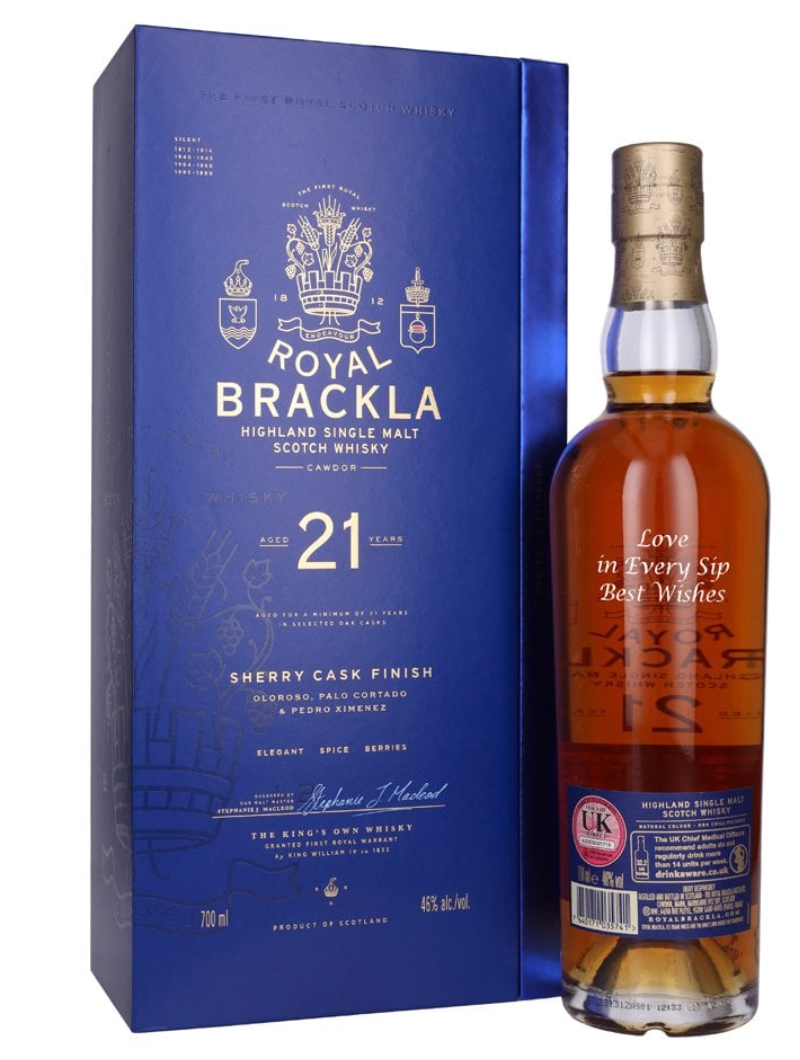
Despite, or perhaps because of, this notoriety, Fraser’s whisky gained national prominence. In 1833, Brackla became the first distillery ever granted a Royal Warrant, by order of King William IV, who was said to greatly appreciate the whisky. The distillery was promptly renamed Royal Brackla Distillery. London advertisements soon promoted it as “The King’s Own Whisky,” emphasizing its maturity and Highland character. When Queen Victoria succeeded to the throne, she renewed the warrant in 1838, cementing Brackla’s royal association.
Captain William Fraser died on 15 October 1846, aged 78, and was buried at Cawdor church, closing a life that had spanned tenant farming, imperial warfare, legal battles, and royal favor. Though controversy followed him in life, Fraser’s achievement was enduring: he proved that legal Highland whisky could survive, and even thrive, by looking beyond its own hills, and in doing so, he secured Royal Brackla’s place in Scotch whisky history.
After the Captain’s death, his son Robert carried the business forward, and the distillery remained in Fraser hands until 1898, when it was transferred to an Aberdeen firm. Brackla eventually was sold to John Dewar’s & Sons owned by spirits conglomerate Bacardi, where it remains to this day, and where much of Brackla whisky is now used in Bacardi-owned blends of Dewar’s.
Sources:
Scotch Whisky magazine, “Whisky heroes: Captain William Fraser”, Iain Russell, 29 March 2016, scotchwhisky.com
Difford’s Guide, “Royal Brackla Distillery: History”, www.diffordsguide.com
Royal Brackla whisky/Official Brand website, royalbrackla.com
patrickspeople.scot, Ann Grant family history
Contributed by Tracy McLemore, Fairview, Tennessee USA
Cawdor, Nairnshire