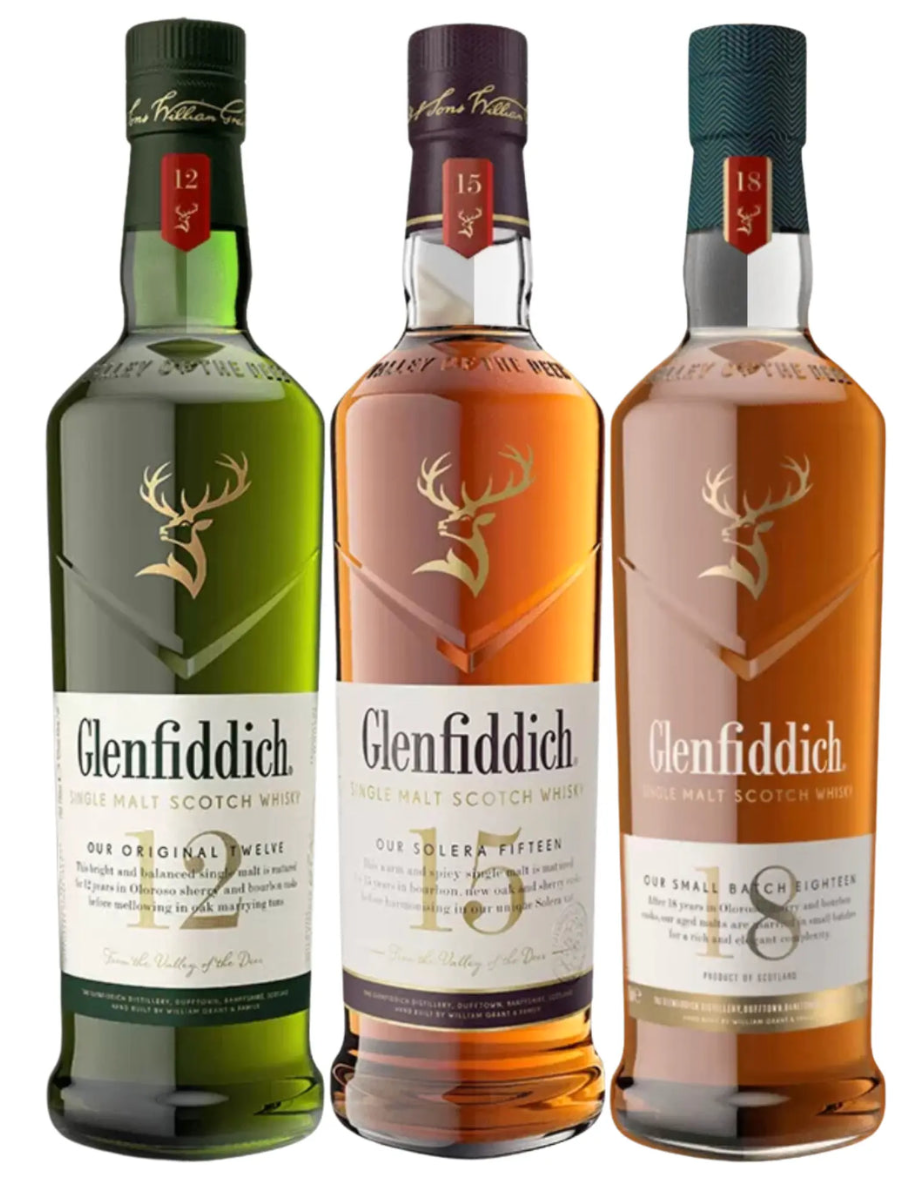
William Grant

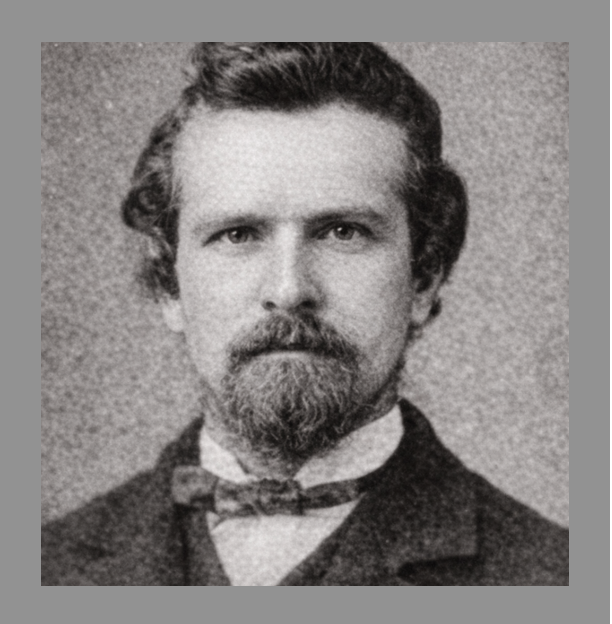
William Grant was born in Dufftown, Banffshire (now Moray), on 19 December 1839, in a Speyside village that would later call itself the “malt whisky capital,” but in the time of his childhood had only one legal distillery, which was called Mortlach. Grant’s beginnings were modest and practical. By the time he was seven, he was already contributing to the family economy by herding cattle, work that shaped his stamina and self-reliance long before he ever laid hands on a mash tun.
Schooling came in the margins of rural life. Grant attended Mortlach School, but, like many children in agrarian 1800s Scotland, his education was largely confined to the winter months, when the cattle were nearer home and the labor calendar eased. When he left school, he did not step immediately into whisky. Instead, he was apprenticed to a shoemaker in Dufftown, learning a trade that demanded accuracy and repetition: careful measurement, durable materials, and work that had to be right the first time.
In 1859, Grant married Elizabeth Duncan, a local girl who would become inseparable from the family story that followed. Their first child, John, was born a year later, and the family ultimately numbered 11 children, though two died in infancy—a blunt reminder of the era’s fragility even for hardworking, steady households.
Grant’s path into distilling began as a career pivot rather than a romantic calling. In 1863, he left shoemaking to become clerk at the Tiniver Lime Works at Crachie, just outside Dufftown. That job placed him in the world of accounts and operations, but a dispute between the works’ owners soon made the position untenable, though it had unknowingly prepared him for his destiny; in September 1866 Grant took a role as bookkeeper at Mortlach distillery. At Mortlach, Grant’s rise was driven by competence. He was soon acting as an unofficial manager, and the distillery’s owner, George Cowie, finally formally appointed him to that post at the age of 26. Grant would remain connected to Mortlach for roughly two decades, absorbing the details of production and the business rhythms behind it, knowledge that later made it plausible for a working man with a large family to start to imagine boasting a distillery of his own.
Grant’s life also included a civic and military thread that sharpened his managerial identity. He joined the local Volunteer Movement and, through persistence and organization, rose to a commissioned rank, ultimately becoming a Major, the highest rank available to a non-professional soldier in peacetime. It is a small detail in whisky histories, but it fits the broader pattern: Grant was someone who advanced regularly by having a keen interest in something, showing up, learning systems, and taking responsibility.
By the mid-1880s, he acted on what he described as a long-held ambition: to make the “best dram in the valley.” In the summer of 1886, with his family alongside him, he began building a distillery in the glen of Fiddich near Dufftown: stone by stone, mostly by hand. That fall, he resigned from Mortlach and committed fully to the new venture.
Grant took the name of his new distillery from his familiar place and language: Glenfiddich, Gaelic for “Valley of the Deer.” After about a year of work, the project reached the moment that matters most in any distiller’s life: the first run. On Christmas Day 1887, the first spirit flowed from Glenfiddich’s stills. The founding story is often told as a family enterprise because it was one in literal terms: William Grant built the distillery with the help of his children, a defining image that the company still uses to explain its identity as a family-owned business. Success did not immediately mean simplicity. Glenfiddich’s early reputation made its whisky desirable to blenders, and the family’s ambitions expanded. In 1892, the Grants built a second distillery next door, ‘The Balvenie,’ during a period of general industry growth. Then came a hard lesson in market dependence. The collapse of a major blending customer, related to the infamous Pattison scandal in December 1898 pushed the Grants to blend whisky themselves rather than rely solely on external customers. In time, that decision helped establish the broader company that would carry the family name.
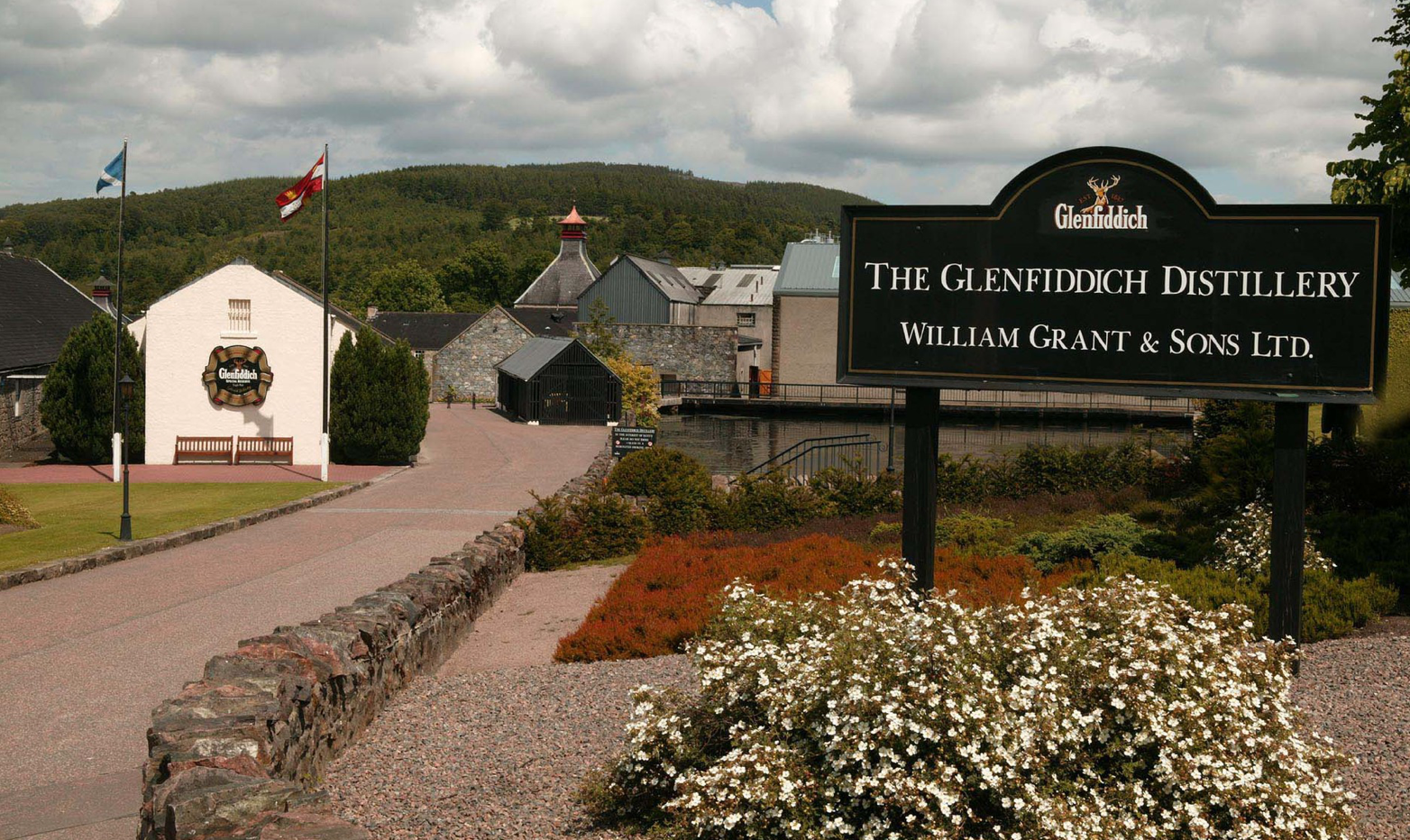
Grant lived long enough to see his enterprise become stable and profitable, and to see the next generation begin to take on the burden of continuity. He last chaired a directors’ meeting at Glenfiddich in 1913, but in his last decade he was confined to bed, though still engaged with practical questions of equipment and repairs through conversations with his son John. William Grant died in Dufftown on 5 January 1923, at the respectable old age of 83, and was buried in Mortlach Churchyard, very close to the landscape that had framed his entire life, from cattle herding and winter schooling to the successful distillery he built with his own hands.
Sources:
Glenfiddich official website, “Our Story—Whisky makers of Dufftown”, glenfiddich.com
William Grant & Sons, official website, “Our Story”, williamgrant.com
William Grant & Sons official website, Glenfiddich brand page, williamgrant.com
Scotch Whisky, “Whisky heroes: William Grant”, Gavin D. Smith, 18 February 2016, scotchwhisky.com
Scotch Whisky, “William Grant & Sons History”, scotchwhisky.com
Find a Grave, “William Grant”, findagrave.com
Encyclopedia.com, “William Grant & Sons Ltd.”
Contributed by Tracy McLemore, Fairview, Tennessee USA