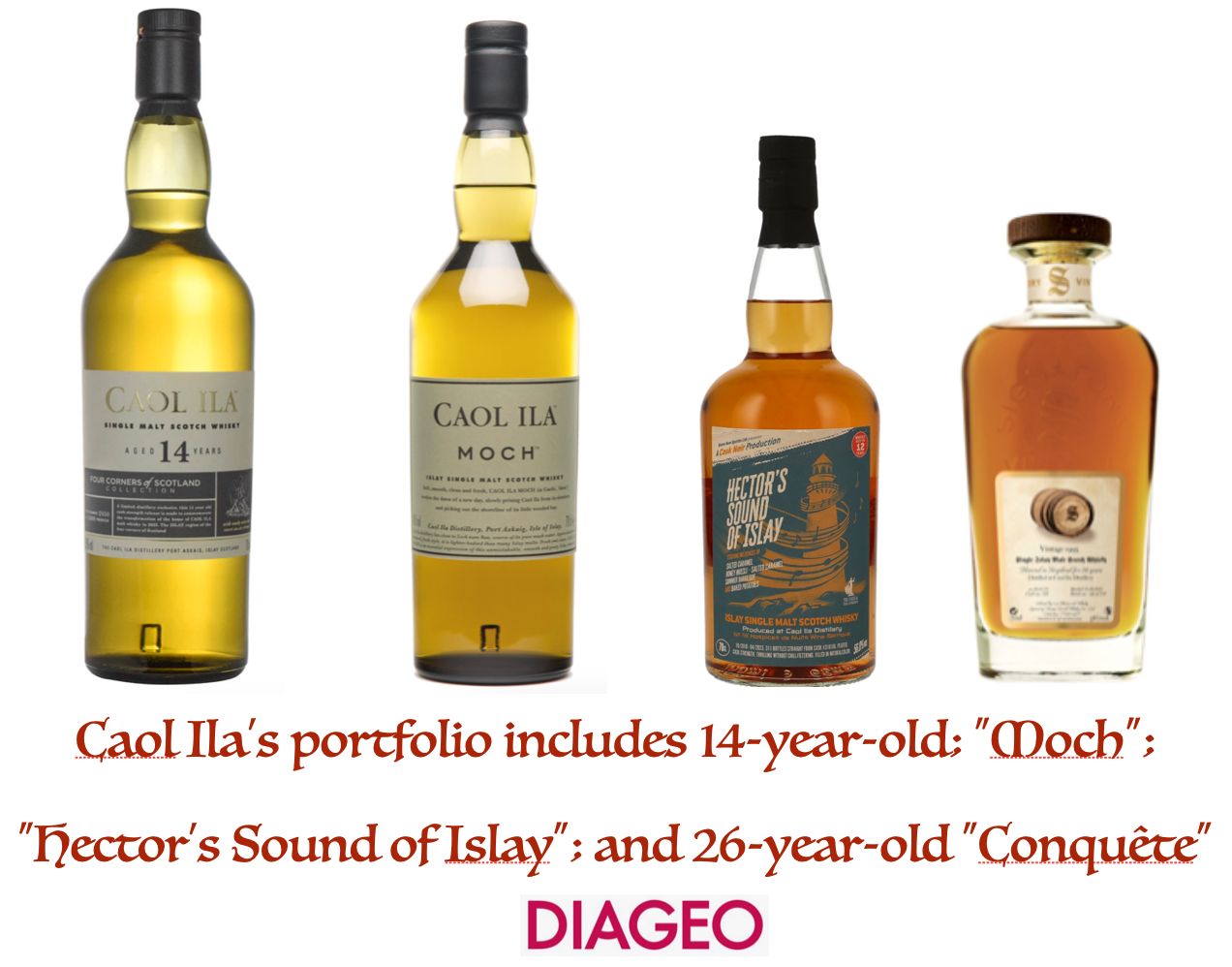
Hector Henderson

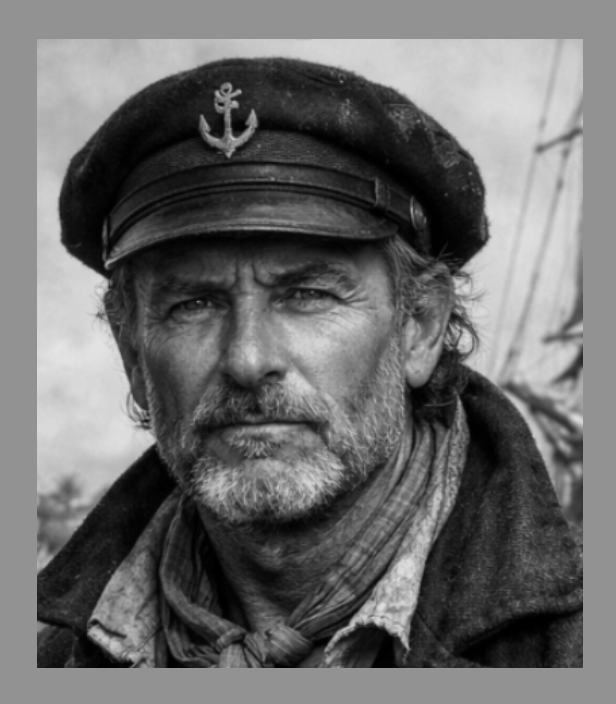
There are no actual known images of Hector Henderson. Above is an AI-generated image based on facts known about his life.
Hector Henderson was born in 1810 in Glasgow, a city that by the early 19th century had become one of the nerve centers of Scotland’s whisky trade. Distilling, blending, shipping, and finance were increasingly intertwined there, and Henderson emerged from this environment already versed in the ownership side of whisky production. By the late 1830s and early 1840s, he was firmly embedded in licensed distilling on the mainland. He held ownership of the old Camlachie distillery in Glasgow and, by about 1840, is documented as taking over Littlemill in Dumbartonshire, one of Scotland’s longest-established Lowland distilleries. During the same period, he also appears as a shareholder connected with Campbeltown distilling interests, so Henderson arrived on Islay, not as a novice learning the trade, rather, he was an experienced owner and investor accustomed to managing capital, supply chains, and markets.
In the early to-mid 1840s, Henderson began looking beyond the mainland. His attention settled on Islay’s northeast coast, near Port Askaig, at a narrow point facing the Sound of Islay, the strait separating Islay from Jura. What he found there was not convenience, but potential. The site offered a reliable water supply from nearby Loch nam Ban, and, more importantly, direct access to the sea. In an era when horses and roads were unreliable and slow, water was the most dependable highway, so Henderson chose to build where barley, fuel, and casks could arrive by boat and finished whisky could quickly leave the same way.
The name he gave the distillery, Caol Ila—pronounced “Cull-ee-la”—was a straightforward geographic statement rather than a piece of poetic branding. Drawn from the Gaelic for the Sound of Islay upon which it sits, it tied the distillery’s identity directly to the water in front of it. In 1846, Henderson built Caol Ila on a steep, striking site overlooking the strait, with the Paps of Jura visible across the water on clear days. Artists regularly describe the setting as picturesque, but beauty came with complications. The distillery stood apart from towns, roads, and markets. From the beginning, Caol Ila was designed to live by sea routes and commercial networks rather than local traffic.
That isolation shaped daily operations. Supplies and people moved by water. “Puffer” ships, small coastal steamers common in western Scotland, made regular runs from Glasgow and other mainland ports. These boats brought fuel, barley, and provisions and carried casks of whisky back out into the mainland trade. Henderson’s earlier mainland connections were not incidental; they were essential. Caol Ila depended on capital, buyers, and transport reliable enough to keep an exposed stillhouse operating year-round.
A small community soon grew up around the distillery. Henderson built houses for employees close to the site, constructed from the same local stone used to raise the distillery buildings themselves. A pier was later added, creating a proper landing point for boats arriving from the mainland. Caol Ila soon became not just a stillhouse but a working settlement tied together by whisky and water. Yet the early years were not a financial success for Henderson himself. While Caol Ila’s “make”, the character of its spirit, quickly gained a reputation for quality, the business struggled under his ownership. In 1854, less than a decade after founding the distillery, Henderson sold Caol Ila to Norman Buchanan, an owner associated with Jura distilling interests. Henderson’s direct involvement with the distillery ended there, a reminder that good whisky and sound finances do not always travel together.
Ownership continued to change hands in the decades that followed. In 1863, Caol Ila was acquired by Bulloch Lade & Co. of Glasgow, part of a broader pattern in which mainland firms increasingly secured Islay distilleries as reliable sources of blending stock. Despite these transitions, the distillery itself endured. Apart from periods of closure during the First World War, the Great Depression, when it fell silent until 1937, and part of the Second World War, Caol Ila has remained in production almost continuously since its founding. Unfortunately, Henderson did not live to see the scale of what Caol Ila would become. He died on June 14, 1876, in Portobello, Midlothian.
The surviving public record of Henderson’s private life is thin. There is no clear indication that he married or had children, and whisky history preserves him largely through his business decisions rather than personal detail. Those decisions, however, proved lasting. Caol Ila became a cornerstone of the blended-whisky industry, valued for consistent, smoky malt suited to large-scale blending. In the 1970s, the distillery was entirely rebuilt on a much larger scale, a clear signal that the site Henderson selected in the 1840s was still considered strategically valuable more than a century later. Today, Caol Ila is the largest distillery on Islay by a wide margin, with an annual production capacity approaching four million liters of pure alcohol, roughly a quarter of all malt whisky distilled on the island, dwarfing the output of names such as Laphroaig and Lagavulin.
Hector Henderson’s legacy is therefore less about personal legend than about placement and foresight. He recognized that the Sound of Islay was not a boundary but a route; he built where water and shipping could do the heavy lifting; and even when his own chapter closed early, the distillery endured, expanded, and adapted to the needs of modern Scotch whisky. Caol Ila still carries the Gaelic name he gave it and still looks out across the same narrow strait; quiet proof that Henderson’s most instrumental wager was where he built, and it was a well-placed gamble that has endured weather, misfortune, and revision to remain relevant for nearly 220 years.
Sources:
Diageo Bar Academy, “Caol Ila”, diageobaracademy.com
Malts, “Caol Ila”, malts.com
Difford’s Guide, “Glasgow businessman”, diffordsguide.com
ScotchWhisky.com/Whiskypedia, “Caol Ila History Capsule”
Spirits & Distilling, “Caol Ila”, David Mahoney, spiritsanddistilling.com
Contributed by Tracy McLemore, Fairview, Tennessee USA