Patrick Hoffman

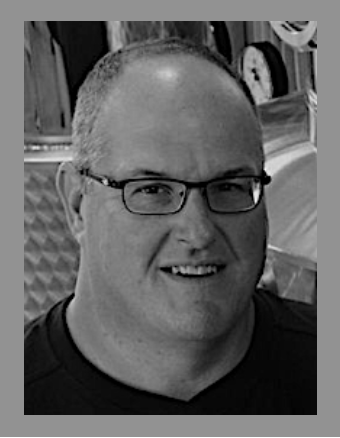
Patrick Hoffmann built Lonely Oak Distillery the way a farmer builds anything meant to endure: from the ground up, with materials he understands, on land his family knows like the back of their hands. The distillery stands outside Earling, Iowa, in rolling farm country where corn and soybeans, not rickhouses, dominate the horizon.
Hoffmann was born in May 1967 and earned a business degree from Creighton University. His path into distilling was not a youthful plunge into a fashionable industry, it was a deliberate third-career pivot that came after education, administrative work, and decades of farming. That arc explains why Lonely Oak has always described itself in agricultural terms, especially through its guiding idea of “seed-to-spirit.”
Before distilling entered the picture, Hoffmann’s life already revolved around land and local institutions. After college, he worked in administration for his family’s Little Flower Haven Nursing & Rehab. At the same time, he farmed with his father, raising corn and soybeans on ground that had been in the family for generations. The idea of distilling began quietly. Hoffmann had brewed beer before, but the smell made it unpopular at home, and he knew that proposing something larger would require certainty, not impulse. For nearly a year, he kept a new plan to himself while he tested whether turning farm-grown grain into spirits was truly workable. By the time he raised the idea with his wife, Amy, he had already done enough groundwork to believe it could succeed. Somewhat surprisingly, Amy Hoffmann backed the idea from the start. The third-generation farmer determined that Lonely Oak would be built on the same spot where his grandfather’s house once stood. The choice was intentional: the distillery would not simply operate near the farm, it would grow directly out of it.
To translate ambition into a functioning distillery, the Hoffmanns worked with experienced consultants, including Dave Pickerell, former Master Distiller at Maker’s Mark, and Nicole Austin, Master Distiller at George Dickel. Even with that expert guidance, progress was slow and methodical. Nearly five years passed between early concept and the first bottled batch of their initial flagship spirit. Those years were filled with permitting, equipment decisions, process testing, and constant refinement, the unglamorous work that determines whether a distillery becomesreal or remains just a good idea.
Lonely Oak officially opened in 2016 after roughly six years of development, with the Hoffmanns already distilling, experimenting, and building toward a public presence before visitors began to arrive in larger numbers. A 2017 “grand opening” moment introduced many people to the distillery, but by then the operation had already been running through countless trial runs and adjustments. From the outset, Hoffmann rejected a sourcing-driven model. He argued that it made little sense to talk about seed-to-bottle craftsmanship while importing the core ingredient from somewhere else. As a farmer, he understood what happens to most grain: it is planted, harvested, sold into anonymous commodity channels, and disappears. Distilling offered a way to follow grain all the way to a finished product with a distinct identity and flavor.
Their distillery was never conceived as a solo project. From the beginning, it was a family build. Patrick has stated publicly that he could not have done it without his parents, his wife, and their five children Their oldest daughter and twin sons live off the farm, but help with special events and tastings. Their two younger sons, teenagers, assist both on the farm and at the distillery. That shared commitment became a defining feature of the operation.
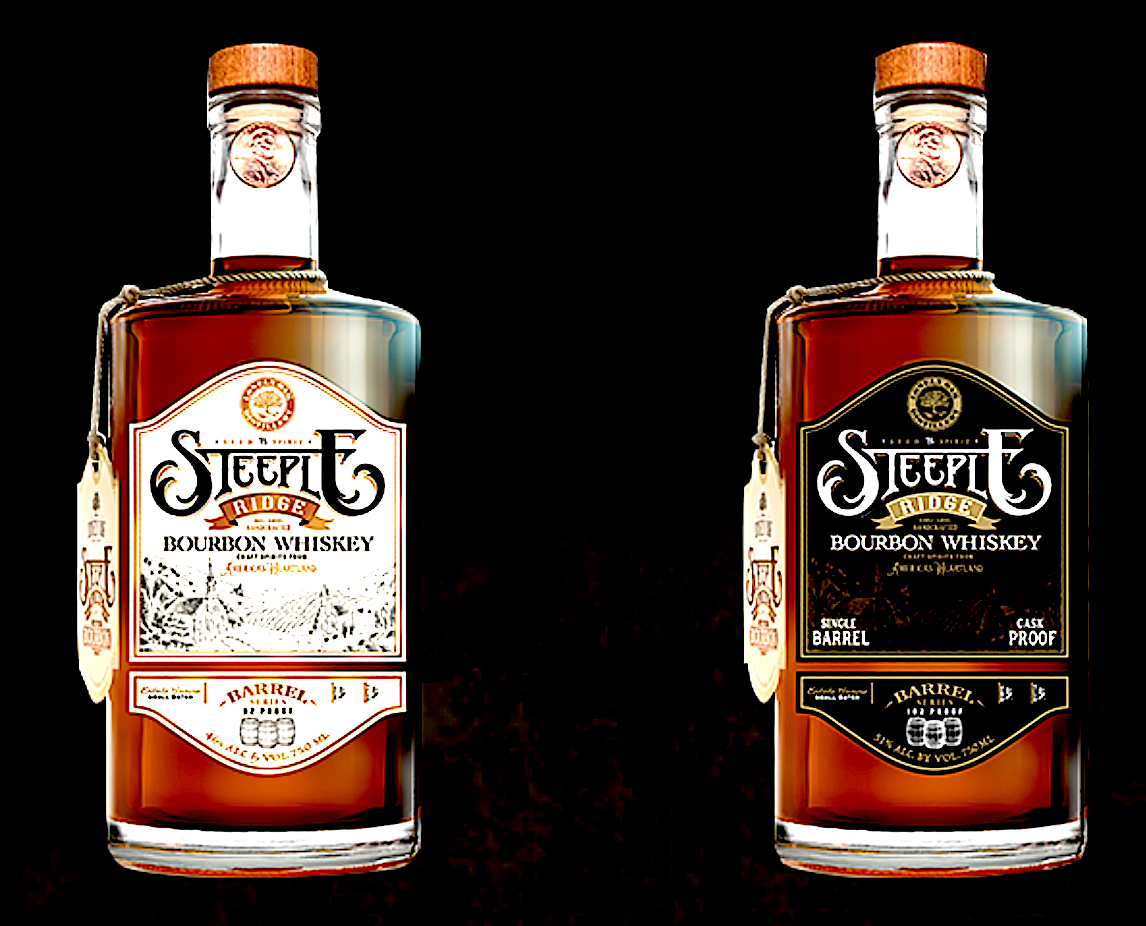
As the enterprise has matured, whiskey has become the prominent part of the story, and the Hoffmanns expanded into a broader lineup that includes Steeple Ridge bourbons and rye whiskeys, along with experiments in barrel finishing. Grain choice also became more specialized. Lonely Oak began working with heritage corn varieties such as Bloody Butcher and collaborated with a geneticist toward developing a custom white corn. At the distillery, grain is treated as a flavor decision, not just a yield calculation. By 2024, Lonely Oak was distributing beyond Iowa and selling in six states, with plans for further expansion. Even as the distillery’s footprint has grown, Hoffmann continues to balance distilling with daily farm operations, because his fields and his stillhouse remain intertwined.
Taken as a whole, Patrick Hoffmann’s career is best understood as continuity rather than reinvention. He did not leave agriculture behind to become a distiller, he simply carried his crops forward into a new form. The result is that Lonely Oak Distillery stands where his grandfather’s house once stood, is built from grain grown in nearby fields, and is run by a family that knows how to work, how to wait, and how to think in decades instead of quarters. And that mindset, patient, grounded, and practical, shapes every bottle that leaves the farm.
Sources:
KETV ABC-TV7 Omaha, Nebraska, “From Seed to Still: After Years of Planning, Iowa Farm Family Opens Distillery.”, Alexandra Stone, Jul 26, 2017
Farm News, “From Farm to Bottle”, January 26, 2024. farm-news.com
TravelIowa, “The Will to Distill: Iowa Distilleries”, traveliowa.com
High Plains Journal, “Stories That Have Stood the Test…”, Amy Bickel, November 22, 2024
Creighton University Alumni Magazine, “CU Magazine Summer 2017, Vol. 33, Iss. 2”
Contributed by Tracy McLemore, Fairview, Tennessee