Sir Philip Henman


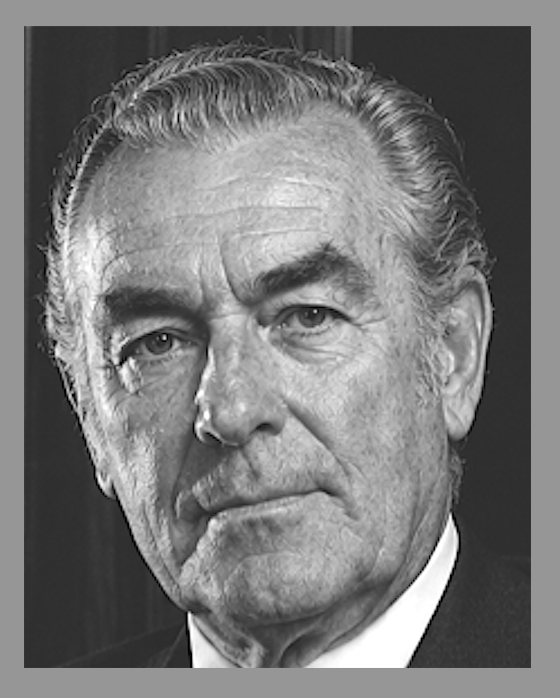
There are no actual photographs of Sir Philip Henman.
Above is an AI-generated image of him based on facts known about his life.
Born on May 9, 1917, Sir Philip Nicholas Hendy Henman entered the world at the close of the First World War and would eventually become one of the most influentialexecutives in the modern Scotch whisky industry. Although his career reached across the broad corporate structure of Distillers Company Limited, or DCL, his name became closely tied to the creation of Pittyvaich Distillery, one of the last major malt distilleries built during the great whisky expansion of the 1970s. Pittyvaich’s brief but memorable existence reflected both Henman’s ambitions and the changing economics of Scotch whisky during the final decades of the twentieth century.
Henman was born into a prominent English family. His father, Lieutenant Colonel Charles Henman, served in the British Army, and the family belonged to a long-established landedtradition. Philip Henman was educated at Eton College, one of Britain’s most elite schools, where generations of industrialists, politicians, and military officers were trained. From there he attended Trinity College, Cambridge. His education gave him entry into Britain’s uppercommercial and financialcircles at a time when large industrial conglomerates increasingly sought university-trained executives rather than traditional merchants alone.
Before entering the whisky trade, Henman worked in broader commercial and financial fields. Like many men of his generation, his early adulthood was interrupted by the Second World War. He served during the conflict, though much of the surviving public record of his life concentrates more heavily on his later business career than on his military service. The war reshaped British industry, and many executives who emerged in the postwar years carried with them a sense of organization and international perspective that proved valuable in rebuilding British commerce.
By the 1950s and 1960s, Henman had entered the world of large-scale corporatemanagement. DCL stood at the center of Scotch whisky during this period. The company controlled an enormous share of Scotland’s distilling industry through subsidiaries and associated firms, overseeing famous names such as Johnnie Walker, Haig, Talisker, Lagavulin, and dozens of blending and grain whisky operations. DCL was not simply a whisky company; it was one of Britain’s industrial giants, with interests that stretched into chemicals, food production, and international distribution.
Henman rose steadily through the organization during an era when Scotch whisky exports expanded dramatically around the world. By the 1970s, global demand for blended Scotch had soared, especially in the United States and Europe. DCLexecutives believed the boom would continue indefinitely. To meet anticipated future demand, the company embarked on one of the largest distillery-building programs in Scottish history. It was during this atmosphere of confidence and expansion that Pittyvaich Distillery was conceived.
Located near Dufftown in Speyside, Pittyvaich was built by Arthur Bell & Sons, then under the broader DCL umbrella. Construction began in 1974, and production commenced in 1975. The distillery was unusual even at the time. Unlike many historic Scottish distilleries that evolved over generations, Pittyvaich was deliberately designed as a modern production facility intended primarily to supply malt whisky for Bell’sblended Scotch.
Henman strongly supported the industrial modernization that characterized DCL in the 1970s. He belonged to a generation of executives who believed advanced engineering, efficiency, and scale would secure Scotch whisky’s global future. Pittyvaichembodied those ideals. It was equipped with modern stills, contemporary production systems, and a design focused on consistency rather than tradition. Yet the distillery was built beside the much olderDufftownDistillery, creating a striking contrast between Victorian whisky-making and the corporate modernization of the twentieth century.
The opening of Pittyvaich occurred during a remarkable period for Scotch whisky. New distilleries such as Allt-á-Bhainne, Brora’s modernization projects, and expansions across Speyside reflected the industry’s optimism. Henman and his contemporaries believed international demand would justify decades of increased production.
In 1978, Henman became chairman of DCL, placing him at the center of one of the world’s most powerful spirits companies. He oversaw operations during both extraordinary prosperity and the beginning of serious challenges. The whisky loch—the enormous surplus of maturing Scotch that developed during the late 1970s and early 1980s—became one of the defining crises of the industry. Distilleries that had been built to satisfy expected demand suddenly found themselves producing more spirit than the market could absorb. Unfortunately, Pittyvaich became one of the clearest examples of this problem.
Although the distillery produced a respected Speyside malt, its primary purpose had always been as a blending component rather than a single malt brand. As the surplus deepened, newer and less historically established distilleries became vulnerable. Older sites often possessed stronger identities, loyal workforces, and heritagevalue that executives hoped to preserve. Modern facilities like Pittyvaich lacked the same emotional or historical protection.
Henman himself became associated with the difficult balancing act between expansion and retrenchment. He had helped oversee the period of growth that produced facilities like Pittyvaich, but he also confronted the reality that the industry had dramatically overestimated long-term demand. Throughout the early 1980s, DCL and other companies reduced production, mothballed sites, and restructuredoperations.
Despite those pressures, Henman’s broader career continued to flourish. He became one of the most visible industrial leaders in Britain. In addition to his work at DCL, he served in several prominent corporate roles and earned a reputation as a polished executive capable of navigating both business and government circles. He was knighted in 1983, becoming Sir Philip Henman. The honor recognized not only his contributions to Scotch whisky but also his influence within British industry more generally.
Henman’s personal life reflected the reserved style common among senior British executives of his generation. He married Lady Caroline Fiennes, daughter of the 19th Baron Saye and Sele. The marriage linked two prominent British families, and together they had children. Unlike many modern corporate figures, Henman maintained a relatively private domestic life, rarely placing his personal affairs into public view
By the late 1980s, the structure of the Scotch whisky industry was changing rapidly. DCL eventually evolved into part of United Distillers and later Diageo, reflecting the growing consolidation of global beverage companies. The confident expansion era that had produced Pittyvaich was over.
In 1993, Pittyvaich Distillery closed after less than two decades of operation, an extraordinarily short lifespan by Scotch whisky standards. Many distilleries in Scotland operated continuously for more than a century; Pittyvaich disappeared before it could develop deep historical roots. In 2002, the buildings were demolished.
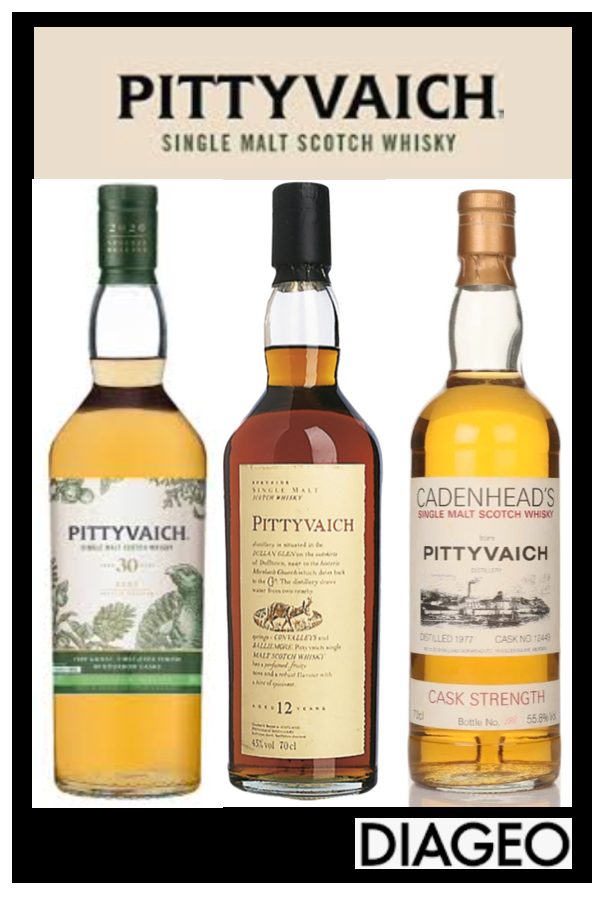
Yet Pittyvaich’s story continued to fascinate whisky enthusiasts precisely because of its brief existence. Rare official bottlings and independent releases gradually turned the distillery into a collector’s curiosity. The whisky itself gained a reputation for elegance and soft Speyside character. In retrospect, Pittyvaich came to symbolize a uniquechapter in Scotch whisky history: the moment when industrial optimism collided with economic reality.
Sir Philip Henman died on November 11, 1997, at the age of eighty. By then, the whisky industry had begun recovering from the crisis years that had defined much of the later part of his leadership era. Many of the strategic decisions made during the 1970s remained controversial, but Henman’s role in shaping modern Scotch whisky was undeniable. He stood among the executives who transformed whisky from a largely regional Scottish trade into a truly global business.
Sources
The Independent, “Obituary: Sir Philip Henman”, 18 November 1997, independent.co.uk
Scotch Whisky Association, “History of the Scotch Whisky Industry”, swa.org.uk
Malt Whisky Yearbook, “Pittyvaich Distillery Profile”, maltwhiskyyearbook.com
Undiscovered Scotland, “Pittyvaich Distillery”, undiscoveredscotland.co.uk
Diageo, “The History of DCL and United Distillers”, diageo.com
The Herald, “Whisky Loch and the Scotch Industry Crisis”, heraldscotland.com
Oxford Dictionary of National Biography, “Sir Philip Nicholas Hendy Henman”, oxforddnb.com
Whisky Magazine, “Lost Distilleries: Pittyvaich”, whiskymag.com
House of Commons Records, “British Industrial Leadership and Distilling”, parliament.uk
Eton College Archives, “Notable Alumni: Philip Henman”, etoncollege.com
Contributed by Tracy McLemore, Fairview, Tennessee USA