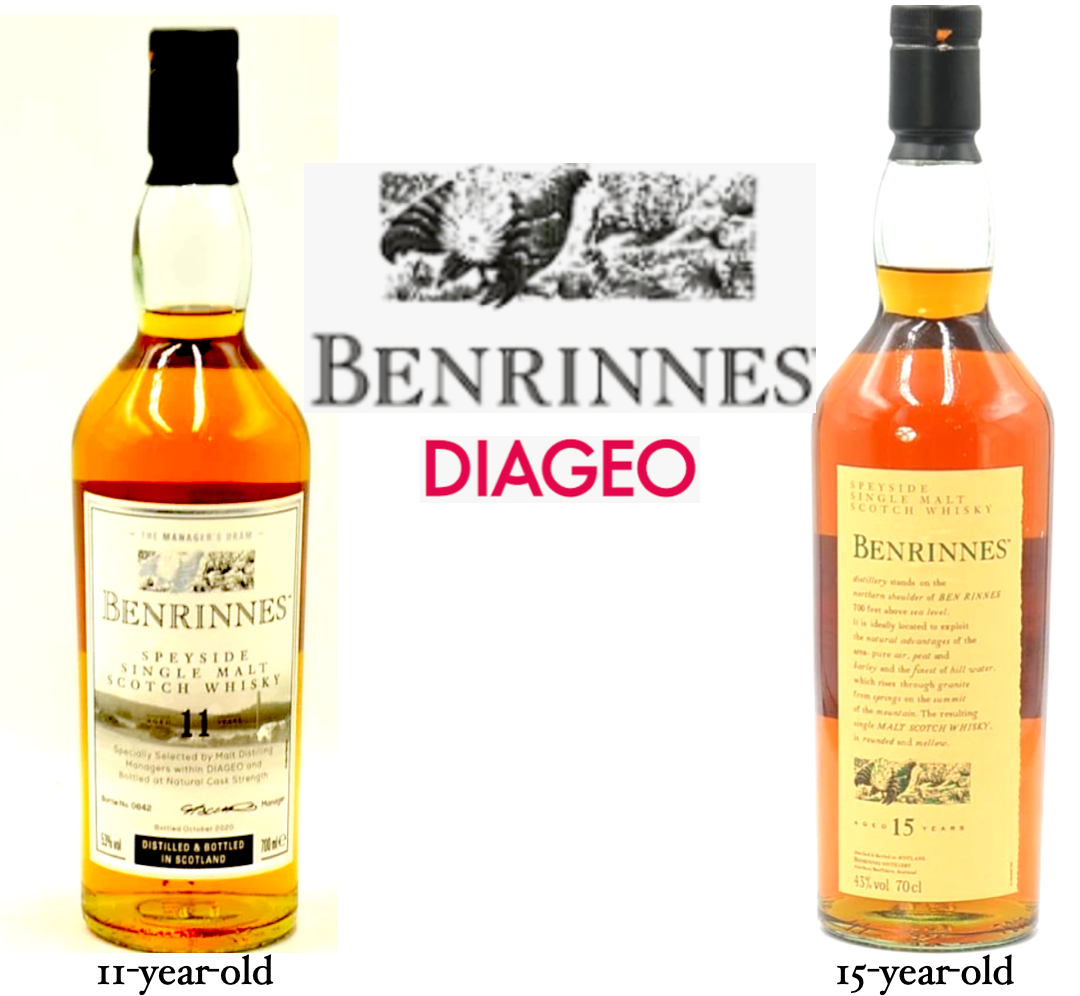
John Innes

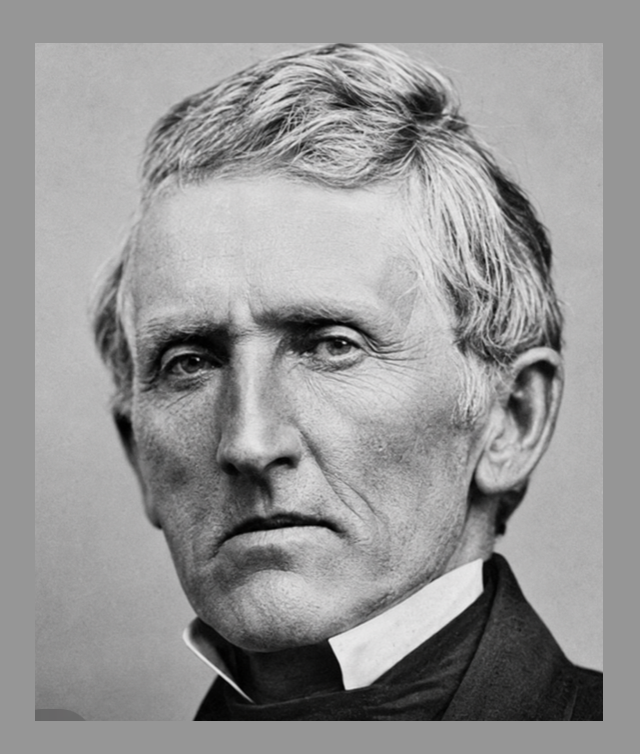
There are no actual photographs of John Innes.
Above is an AI-generated image of him based on facts known about his life.
John Innes was born in 1801 in Mortlach, Banffshire, to George Innes and Elisabeth Stuart. Like many nineteenth-century tradesmen and rural businessmen, relatively little was recorded about his early life. Parish records and property documents provide only scattered glimpses into the years before he entered the whisky trade. Yet what survives places Innes firmly among the practical Speyside entrepreneurs who helped transform Scotch whisky from a largely local agricultural product into a growing commercial industry.
The world into which Innes entered distilling was changing rapidly. The Excise Act of 1823 had legalized licensed distillation under a more workable system of taxation, encouraging farmers and landowners throughout Speyside to establish legitimate whisky operations near reliable water sources and fertile barley-growing land. Across northern Scotland, new distilleries appeared as ambitious men sought to capitalize on the expanding legal whisky trade.
Benrinnes distillery emerged from that environment of opportunity and uncertainty. The first distillery on the site was established in 1826 by Peter McKenzie near the slopes of Ben Rinnes, the prominent 2,759-foot mountain near Aberlour. McKenzie selected the location carefully, drawing water from nearby burns that contributed to the region’s excellent whisky-making conditions. Despite the promise of the venture, disaster struck quickly. In 1829, a devastating flood swept down the mountain through the area, and destroyed the entire operation. The damage proved catastrophic, and the original distillery never recovered.
Later that same year, John Innes entered the story of Benrinnes. Recognizing the potential of the site despite the destruction, he rebuilt the distillery nearby using the outbuildings of a farmstead at Lyne of Ruthrie. Under his ownership, the operation was initially known as Lyne of Ruthrie before eventually taking the name Benrinnes. The decision demonstrated both ambition and confidence. Rebuilding a destroyed distillery in rural Scotland during the 1830s required not only capital, but also faith in the future of legal whisky-making.
Around the same period, Innes’s personal life was also taking shape. In 1830, he married Helen Shand, and the couple eventually had eight children together. Although surviving records reveal little about their day-to-day family life, the size of the household reflects the realities of nineteenth-century rural Scotland, where family and business were often closely intertwined.
The location Innes selected for the rebuilt distillery reflected sound practical judgment. Speyside’s growing importance in whisky production rested on several natural advantages: abundant clean water, nearby peat supplies, and productive farmland capable of supporting barley cultivation. Transportation routes to Elgin, Aberdeen, and eventually southern markets remained primitive by modern standards, but they improved steadily throughout the century. Benrinnes also benefited from its proximity to the rich agricultural lands of Banffshire and Moray.
What can be said with confidence is that Innes possessed sufficient determination, local standing, and financial resources to undertake such a risky venture during a difficult economic period. Distilling in Speyside during the early nineteenth century was far from a guaranteed path to prosperity. Roads were poor, transport was unreliable, banking systems remained unstable, and illicit whisky production continued to thrive. Distillers faced fluctuating grain prices, changing tax structures, inconsistent demand, and the ever-present threat of disaster. Fires, floods, and financial collapses routinely destroyed whisky operations across Scotland.
Ultimately, those pressures overtook Innes himself. In 1834, Lyne of Ruthrie distillery went bankrupt, carrying much of his fortune with it. Two years later, in 1836, the distillery was sold to William Smith & Co., which officially renamed the operation Benrinnes. Even after Innes lost control of the distillery, however, the business continued to experience instability. William Smith & Co. operated Benrinnes until 1866, when that company also went bankrupt.
The distillery nevertheless survived. Following the collapse of William Smith & Co., David Edward purchased the property and established the partnership of David Edward & Stuart, laying the groundwork for significant expansion later in the nineteenth century. Yet Benrinnes’s history continued to be marked by adversity. In 1896, a devastating fire destroyed the still house. The distillery was subsequently rebuilt and modernized by Alexander Edward, including the addition of electricity. In 1922, John Dewar & Sons acquired Benrinnes, after which it eventually became part of DCL and later Diageo, the company that still owns the distillery today.
John Innes himself lived long enough to see the distillery endure beyond his ownership, though not necessarily prosper under his direction. He died on 18 November 1872 in Upper Belandy, Glenrinnes. The surviving details of his personal life remain limited, creating a striking contrast with the industrial legacy connected to his name. Later whisky executives often became public figures whose speeches, interviews, and family histories were carefully preserved. Men like Innes belonged to an earlier and more anonymous era, one in which importance frequently survives only through licensing records, property transactions, and the continued operation of the distilleries they built.
Although Innes was not ultimately a successful distillery owner in financial terms, his bankruptcy should not be viewed simply as personal failure. The Scotch whisky industry of the 1830s and 1840s was notoriously unstable, and many now-famous distilleries collapsed repeatedly or changed hands several times before eventually succeeding under later ownership. Innes belonged to a generation of early builders whose efforts established the foundations upon which the modern whisky industry was constructed.
In the end, John Innes’s legacy lies less in financial success than in perseverance. He rebuilt a distillery after natural disaster, invested in a young legal whisky industry whose future remained uncertain, and helped preserve a site that would continue producing Scotch whisky long after his own fortunes had faded. His story represents the experience of many forgotten pioneers of Scotch whisky: not celebrated master blenders or corporate executives, but determined builders whose labor and ambition carried the industry through years of hardship and uncertainty. Without men like John Innes, many of Scotland’s most enduring distilleries might never have survived long enough to become institutions of the whisky world.
Sources:
Diageo distillery portfolio information, “Benrinnes”, diageo.com
Ancestry.com, “John Innes 1801-1872”, ancestry.com
Great Drams, “Benrinnes Distillery Story”, Greg, February 10, 2022, greatdrams.com
Contributed by Tracy McLemore, Fairview, Tennessee USA