Milorad Karakasevic

“Belgrade to Charbay”
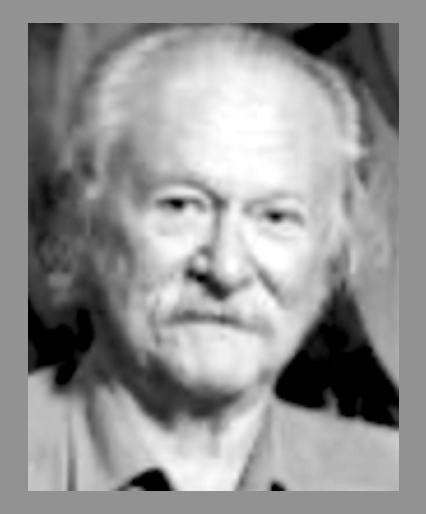
Milorad Karakasevic, almost universally known as “Miles,” carried an Old World distilling tradition across an ocean and has spent the rest of his life proving that disciplined, flavor-driven whiskey could be made in America without shortcuts, gimmicks, or haste. Born in the former Yugoslavia into a family whose winemaking and distilling lineage stretched back to the mid-18th century, Miles grew up not romanticizing spirits, but living among them. Distillation was not an abstract idea in his childhood; it was physical work, seasonal labor, and quiet precision. As a boy, he watched customers arrive at the family vineyard to fill their own bottles directly from barrels of wine and brandy, an early lesson that honest spirits speak for themselves when the maker understands the raw material and respects time.
By his teenage years, Miles was already being shaped for a life at the still. In 1954, he formally entered the family distilling operation, learning through repetition and responsibility rather than instruction manuals. This was apprenticeship in its purest form: you learned by doing, by failing quietly, and by tasting constantly. Two years later, in 1956, he earned the title of Master Distiller in the family tradition, an early milestone that locked distilling in as his vocation rather than a stepping stone.
What separated Miles from many traditionalists was his insistence on marrying inherited knowledge with formal science. He studied enology and viticulture at the University of Belgrade, grounding instinct in chemistry and microbiology, then deepened that training in Germany at Geisenheim, one of Europe’s leading centers for fermentation science. Those years gave structure to what he already understood intuitively: how yeast behavior shapes texture, how fermentation temperature influences aromatics, and how distillation cuts can preserve or erase character long before a spirit ever touches wood. For Miles, whiskey was never about aging alone; it was built—or ruined—at every earlier step.
In 1962, at just 21 years old, Miles immigrated to North America, first settling in Quebec City. The move was not a search for novelty but a commitment to rebuilding a family craft from the ground up. He continued working professionally as a winemaker and distiller in the years that followed, including time in Michigan, before ultimately heading west. By the early 1970s, he had arrived in California, working in Napa Valley as an assistant winemaker while quietly laying the groundwork for a future distillery focused on long-term spirits rather than immediate returns.
It was during these formative American years that Miles met Susan, who would become his wife and lifelong business partner. Their partnership was not ornamental. Susan provided the business discipline, marketing insight, and operational steadiness that allowed Miles to pursue uncompromising production goals in an industry that rarely rewards patience. Together, they represented a complete distilling operation: technical rigor paired with commercial survival.
In 1972, Miles and Susan purchased a 17-acre property on Spring Mountain Road in St. Helena, anchoring what would become their permanent base of operations. In 1981, they founded their winery and distillery under the name Domaine Karakash, later rebranded as Charbay. Early production leaned toward wine and brandy, distilled on copper alembic stills in the European tradition. But even during this period, whiskey was never far from Miles’s thinking. He viewed brandy and wine not as diversions, but as technical training grounds—ways to refine fermentation control, distillation precision, and barrel management for the grain spirits he believed would ultimately define the distillery.
As Charbay matured, Miles increasingly turned his attention to whiskey, not as a commodity, but as an expressive, ingredient-driven spirit. His philosophy rejected industrial shortcuts. Grain mattered. Fermentation mattered. Distillation mattered. And above all, time mattered. When American craft whiskey was still years away from mainstream recognition, Miles was already experimenting with unconventional but deeply logical approaches to flavor development.
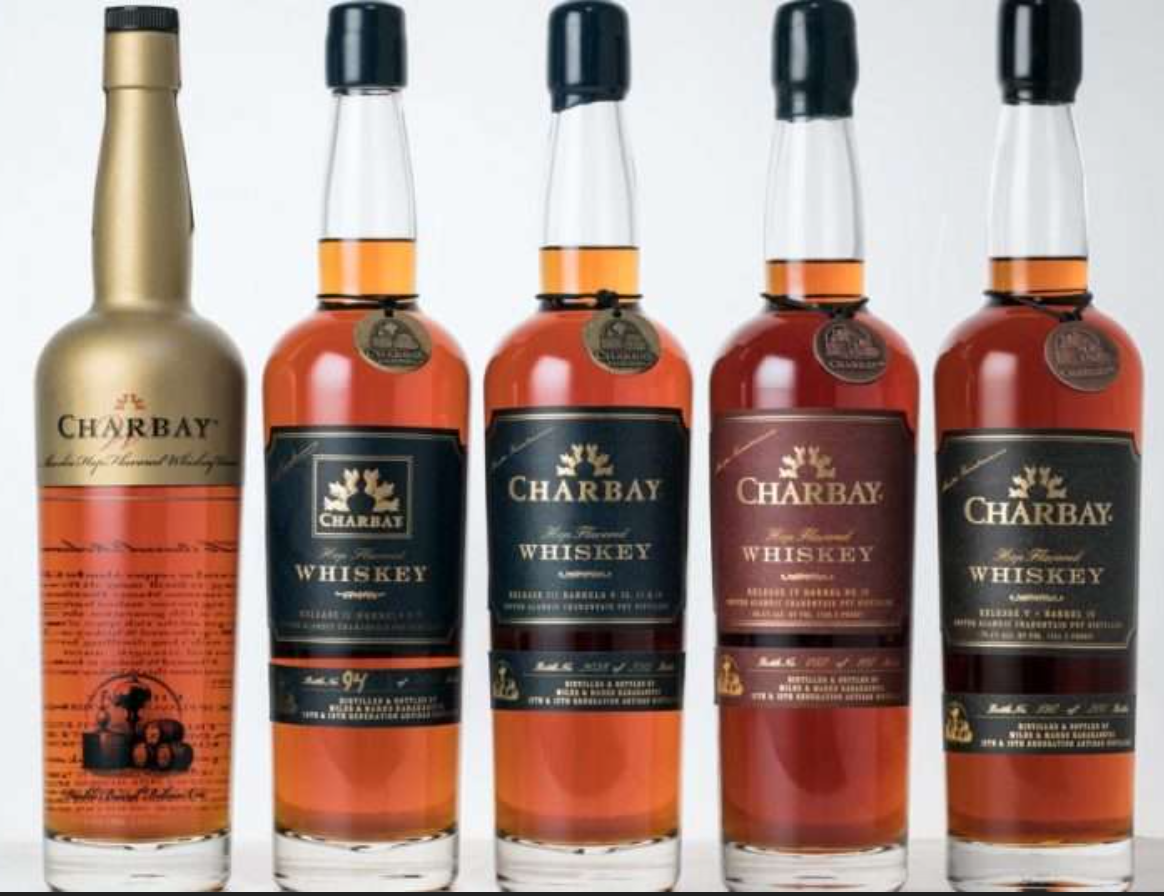
That philosophy came into full view in 1999, when Charbay distilled what would become its most influential whiskey concept: the Pilsner Whiskey Series. Instead of fermenting grain solely for efficiency, Miles distilled fully finished, bottle-ready beer, brewed for flavor, not yield, treating it as a complex whiskey wash. The idea was radical at the time, yet deeply rooted in distilling logic: if flavor exists before the still, the still can preserve it. Distilled in 1999 and aged in new American oak, Charbay Pilsner Whiskey Release I debuted in 2002, offering American whiskey drinkers something rare: malt-driven depth without artifice.
That philosophy came into full view in 1999, when Charbay distilled what would become its most influential whiskey concept: the Pilsner Whiskey Series. Instead of fermenting grain solely for efficiency, Miles distilled fully finished, bottle-ready beer, brewed for flavor, not yield, treating it as a complex whiskey wash. The idea was radical at the time, yet deeply rooted in distilling logic: if flavor exists before the still, the still can preserve it. Distilled in 1999 and aged in new American oak, Charbay Pilsner Whiskey Release I debuted in 2002, offering American whiskey drinkers something rare: malt-driven depth without artifice.
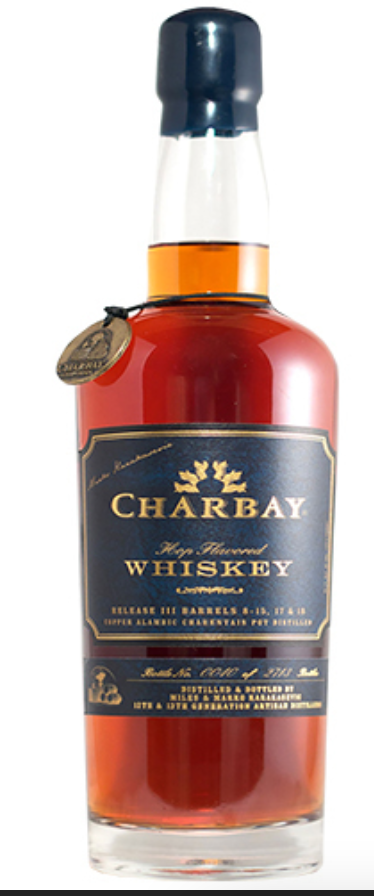
Charbay Pilsner Release III
Crucially, the Pilsner Whiskey project was never intended as a novelty. It was conceived as a long experiment released in stages, allowing time itself to demonstrate what thoughtful distillation could achieve. Subsequent releases showed how the same underlying distillate evolved with extended aging and finishing decisions, reinforcing Miles’s belief that whiskey is not made once, but continuously shaped over years in wood.
As Charbay’s whiskey reputation grew, Miles continued to work across other spirit categories, but whiskey—both malt and bourbon-style grain spirits—became central to the distillery’s identity. He approached bourbon with the same rigor he applied to everything else: clean fermentations, deliberate cuts, and barrel selection driven by chemistry rather than marketing. The result was whiskey that favored structure, balance, and longevity over immediate sweetness or trend-driven profiles.
At the same time, Charbay became a training ground for the next generation. Miles mentored his son, Marko Karakasevic, not simply in how to operate a still, but in how to think like a distiller, meaning, how to taste analytically, question assumptions, and treat patience as a technical choice rather than a financial inconvenience. By the time Marko emerged as a Master Distiller in his own right, the continuity of Charbay’s whiskey philosophy was unmistakable.
In 2010, Charbay released Brandy No. 83 after 27 years of aging, and later that year, on November 8, Miles was formally recognized as a Grand Master Distiller, an acknowledgment of having distilled and released all major spirit categories. But by then, his true legacy was already clear. It lived in Charbay’s whiskey program, in barrels aging without urgency, and in a distinctly American distillery that operated with Old World restraint.
Miles Karakasevic did not chase the American whiskey revival; he quietly helped shape it before it had a name. His career stands as a reminder that great whiskey is not the product of reinvention, but of continuity; of knowing where flavor begins, respecting how it develops, and allowing time to finish the work. At Charbay, whiskey has never been rushed, never simplified, and never treated as a trend. It was treated as a responsibility, handed down across generations, and entrusted to the future, one careful distillation run at a time.
Sources:
Charbay Distillery official website, charbay.com
San Francisco Chronicle / SFGATE, “Karakasevic family keeps spirits alive in NAPA”, Lou Bustamante, October 11, 2013
Los Angeles Times archive, “The Other Eaux”, Dan Berger, June 10, 1993
Cigar Aficionado, “Brandy’s Best”, Jean T. Barrett, Autumn 1995
The Savvy List, “Karakasevic Family: The Love of Liquid”, thesavvylist.com
PR Newswire, “Family Tradition Includes 27 Year Old…”, December 6, 2010, prnewswire.com
Contributed by Tracy McLemore, Fairview, Tennessee