Dennis Malcolm

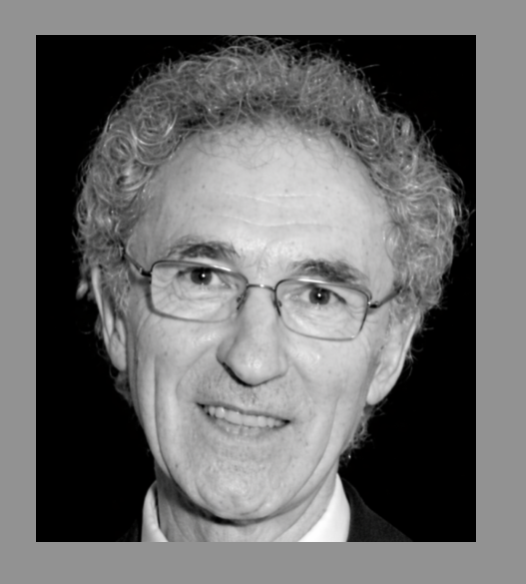
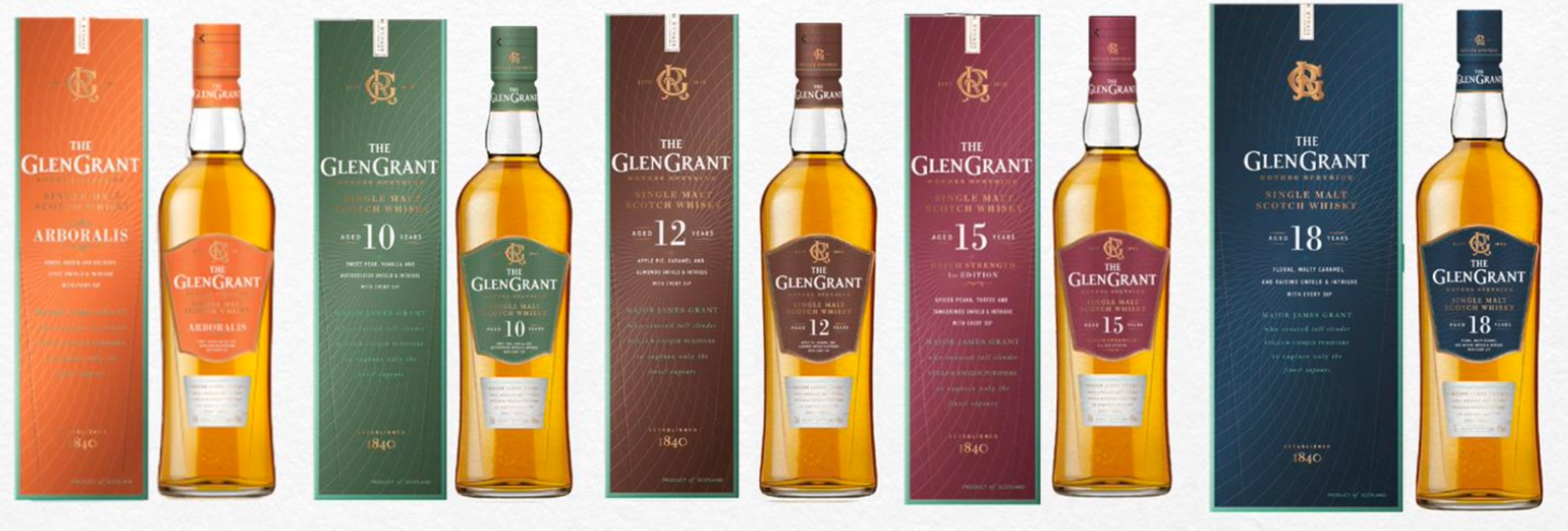
Dennis Malcolm’s life in Scotch whisky is unusual not for its longevity alone, but also for its near-total continuity. Born in 1946 on the actual grounds of the Glen Grant distillery, Malcolm entered the world already embedded in a working distillery community. His father was a stillman, and his grandfather had worked before him as both mashman and stillman. The family’s connection stretched even further back, tied to the era when the founder’s descendants still guided the distillery in the late nineteenth century.
From the beginning, Malcolm’s upbringing was inseparable from whisky. Rothes in the mid-twentieth century was a tightly knit Speyside town where distilling defined both economy and identity. Children grew up among cooperages, barley fields, and peat fires; Malcolm’s own childhood unfolded in the distillery gardens, where he played, fished in nearby streams, and absorbed the rhythms of whisky-making almost unconsciously.
Malcolm’s early education followed the standard local path, but formal schooling did not hold his interest for long. By his own account, he preferred practical creation to classroom instruction. Woodworking, in particular, appealed to him, and this inclination shaped his first decisive step into whisky. At the age of fifteen, in 1961, he entered the Glen Grant distillery as an apprenticecooper. That choice was both practical and symbolic. Cooperage stood at the heart of Scotch whisky maturation, and Malcolm was drawn to the craft of building casks—structures held together only by precision, pressure, and skill. His early fascination with how a cask could hold liquid without leakage reflected a deeper curiosity about the physical processes underlying whisky itself.
But quietly ambitious, Malcolm’s apprenticeship did not confine him to one role. By his early twenties, he had progressed to become a brewer at Glen Grant, taking on responsibilities that placed him directly in the production cycle. By the age of twenty-four, he had already moved beyond manual craft into the technical and managerial aspects of distilling. His advancement continued steadily through the 1970s. Malcolm served as assistant manager at both Glen Grant and its sister distillery, Caperdonich, gaining broader operational experience. Then, in February 1979, he was appointed manager of The Glenlivet distillery, a significant post within one of Scotland’s most important whisky enterprises.
Malcolm’s career during this period extended well beyond a single site. After returning to Glen Grant and Caperdonich in 1983, he eventually took on oversight of multiple distilleries under the Chivas Brothers organization. From a base at Strathisla, he managed nine malt distilleries, a graindistillery, and associated agricultural operations. This phase of his career placed him at the center of Scotch whisky’s industrial structure during a period of consolidation and change. The late twentieth century saw mergers, shifting ownership, and evolving global markets. Malcolm’s work required both technical expertise and administrative leadership, balancing tradition with the demands of large-scale production.
After a brief period working as a brand ambassador and later managing Balmenach distillery for Inver House Distillers, Malcolm’s career came full circle. In April 2006, following the acquisition of Glen Grant by the Campari Group, he returned to the distillery where his life as well as his career had both started. His return marked the beginning of his tenure as master distiller, a role in which he became both custodian and interpreter of Glen Grant’s style. Under his leadership, the distillery expanded its range of single malts while maintaining its traditional production methods. Among his notable creations was the “Five Decades” release, commemorating Malcolm’s long service in whisky.
Meanwhile, his approach to whisky-making emphasized continuity with the past. Glen Grant’s distinctive character, light, floral, and fruit-forward, derives from tall, slender stills and purifiers originally introduced in the nineteenth century. Malcolm maintained these design principles and reinforced a production philosophy centered on clarity of spirit. Also, central to his philosophy was cask management. He favored maturation in ex-bourbon casks, arguing that such vessels allowed less masking of the spirit’s intrinsic qualities. This approach placed a premium on precision during distillation, ensuring that the new-make spirit itself met exacting standards. Equally important was his insistence on traditional infrastructure. Glen Grant continued to use wooden fermenters, stone dunnage warehouses, and on-site bottling, preserving a production environment that differed from more industrialized distilleries.
By the early2020s, Malcolm had become a near-legendary and enduring symbol of continuity within Scotch whisky. In 2024, after approximately sixty-three years in the industry, he announced his retirement as master distiller of Glen Grant. His departure marked the end of a career that began in the same place where it concluded, an extremely rare symmetry in an industry often defined by movement and change. While Dennis Malcolm’s life illustrates a form of continuity that is increasingly uncommon in modern industry, his career traced an unbroken line straight through the traditions, techniques, and transformations of Scotch whisky and into the modern world.
Sources:
World Drinks Awards, “Dennis Malcolm—Hall of Fame Inductee”, www.worlddrinksawards.com
The Whisky Exchange, “Meet the Maker: Dennis Malcolm”, thewhiskyexchange.com
Whisky Magazine, “A Life in Whisky: Dennis Malcolm’s 60 Years in Scotch”, whiskymag.com
ReserveBar, “Behind the Brand: Dennis Malcolm”, Miranda Hodge, reservebar.com
The Spirits Business, “Glen Grant Master Distiller Dennis Malcolm OBE to Retire”, 15 May 2024, thespiritsbusiness.com
Campari Academy, “Glen Grant Scotch Whisky Training Materials”, campariacademy.com
Contributed byTracy McLemore,Fairview, Tennessee USA