Iain McAlister

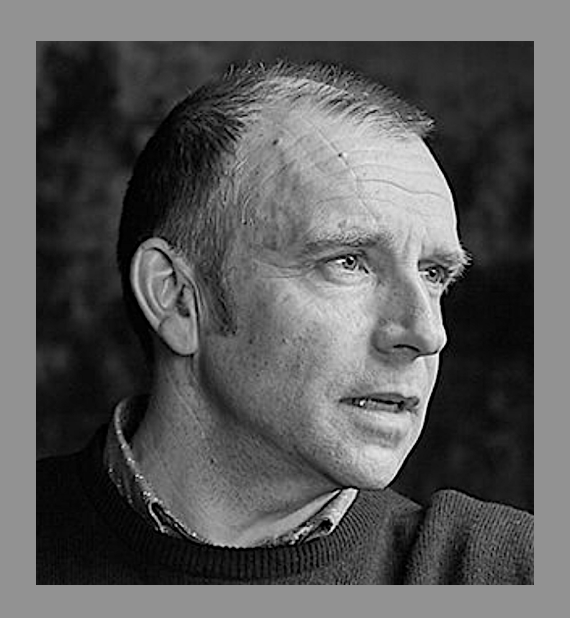
Iain McAlister’s Glen Scotia story is, at its core, a full-circle Campbeltown narrative. McAlister was born on the Kintyre peninsula, a native who spent his entire childhood in the area. As a local, he grew up with whisky in the air, but still left the spirits trade untouched for years. Then, in the “aughts,” he came to it, bringing with him an engineer’s habit of refining the “wee nuances” that, put together, add up to a distillery’s liquid voice.
After his first working years were spent with Scottish Water, he obtained his engineering degree from the University of the Highlands and Islands. He and his wife Shelley then lived abroad in New Zealand for a period. When they returned to Scotland to start a family, they intentionally came back home to Campbeltown. In March 2008, with Shelley, three sons and four dogs in tow, McAlister become the assistant manager for Loch Lomond Group at the Glen Scotia distillery, before taking over as plant manager a mere two months later.
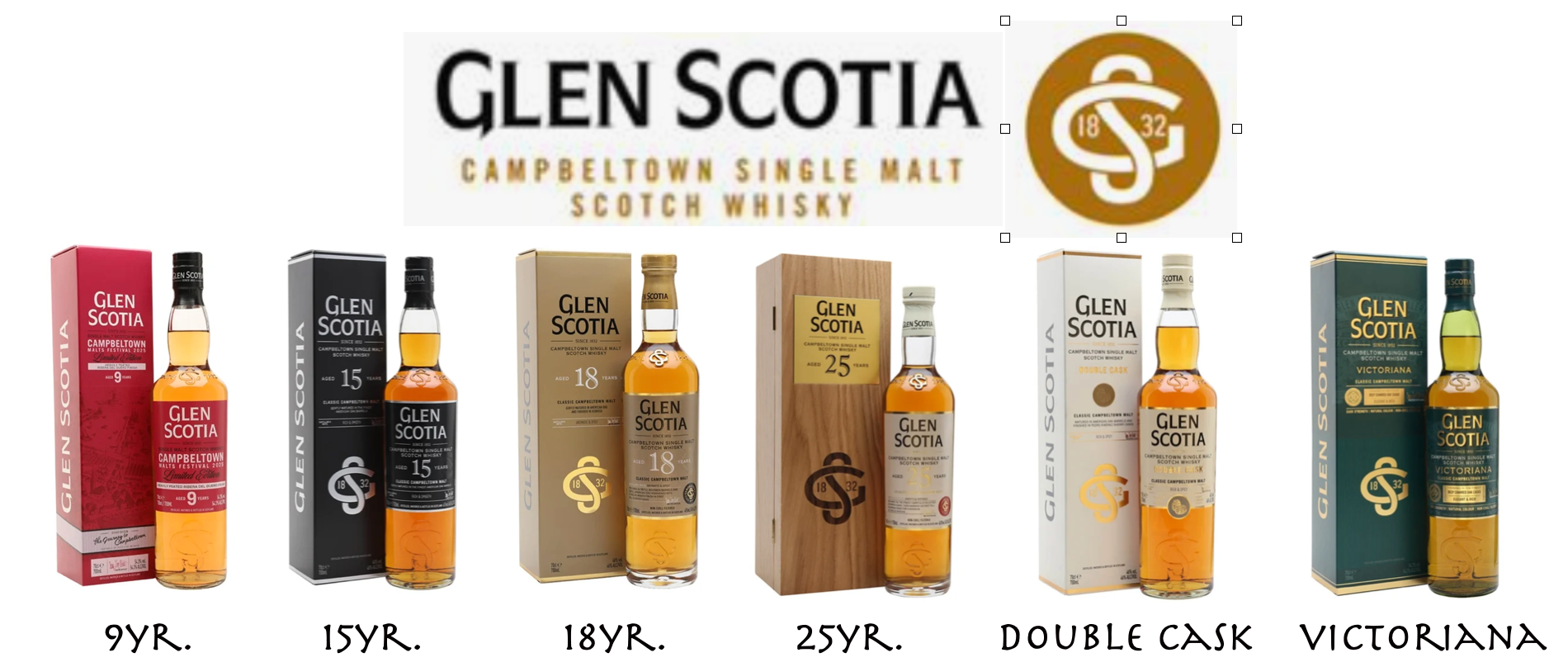
McAlister steadily transformed Glen Scotia from a reclusive, bulk-sale producer into a renowned, award-winning brand. He overhauled the visitor center and warehouses, transitioning the site from a quiet operation into a bustling whisky experience. In revamping Glen Scotia’s product range, he created the core Glen Scotia lineup, including the 15 Year Old, 18 Year Old, Victoriana, and the Double Cask Sherry Finish. Finally, using his engineering background to modernize the distillery, he increased capacity, then introduced experimentation with very high peat levels up to 55ppm and new barley varieties. The changes and improvements led the distillery to win "Best in Show" at the 2021 San Francisco World Spirits Competition with the 25-Year-Old. Before long, Iain McAlister had transformed a well-established but relatively small and ignored “blender” Campbeltown distillery from strict reliance on independent bottlings and bigger brands, to a recognized, active, and global single-malt maker.
The timing of McAlister’s return to Campbeltown was important because Glen Scotia, one of Campbeltown’s historic survivors, had always carried the weight of the town’s boom-and-bust whisky reputation. McAlister felt that Campbeltown’s deep whisky roots, where dozens of distilleries serving a small population once stood, positioned Glen Scotia’s modern era as part of a wider local resurgence alongside Springbank and Glengyle (Kilkerran).
McAlister’s entry into Glen Scotia was well-received because it happened at a time when the distillery needed real hands-on rebuilding of routine and confidence. When McAlister began there, there were only three people on the production side; himself, stillman Jim Grogan, and mashman David Watson; annual output at that time was around 80,000 litres of alcohol. That scale gave him what he later called a “wonderful opportunity to learn the secrets” of making Glen Scotia’s style, because there was nowhere to hide and no specialist department to pass the problem to. Before long, his team had production ten times the original amount, and more recent output was to 700,000 liters. Now with 10 employees, growth has impacted Glen Scotia’s widening following and Campbeltown’s overall whisky popularity. The direction is consistent: McAlister’s tenure covered a major shift from a distillery’s fragile smallness toward stable, confident output.
However, a distillery manager’s influence is most often obvious in wood policy and bottling direction, because those decisions greatly determine why the public actually buys a given brand of whisky. McAlister responded by keeping a close watch on Glen Scotia’s stock and finishes. In the interim, Glen Scotia released a bottle created under the “Made By Iain” moniker, reflecting how closely McAlister’s very name had become associated with the modern range of Glen Scotia products. Glen Scotia’s bottles had by then begun to taste like a whiskey that personified Campbeltown: maritime, oily, fruit-and-fudge sweetness, and firm structure. It didn’t hurt that the person creating that style could also explain clearly exactly what production choices made it happen.
But then in 2025, after 18 years at Glen Scotia, Iain McAlister swapped the salty air of Campbeltown for the misty mountains of Sichuan province in China. He and his family moved to Emeishan, on the edge of the Tibetan plateau, to work for Langjiu Group. There, he hopes to build what will become the largest single malt whisky distillery in China. “The aim,” he has said, “is to create a dedicated spirit profile that not only conveys a strong sense of regionality but also delivers a stand-alone Chinese whisky with the technical integrity and clarity required to stand confidently on the global stage.”
No matter where he now plies his trade, Iain McAlister’s significance on Glen Scotia is straightforward. He represented a modern distiller who arrived in his profession by a different route though engineering and life experience. In doing so, he helped then-struggling Glen Scotia tighten its methods, scale its output, and speak with a steadier voice, bringing it, at last, to the modern world without pretending to be anything other than what it is—Campbeltown whisky.
Sources:
Glen Scotia distillery official website, “…Distiller Iain McAlister”, glenscotia.com
The Whisky Exchange, “Meet the maker…”, thewhiskyexchange.com
Words of Whisky, “Interview with Iain McAlister, Glen Scotia”, wordsofwhisky.com
Square Mile, “Iain McAlister: ‘Glen Scotia…’”, Jack Crawford Scott, 19 October 2023
The Whisky Shop, “The Whiskiest Place in the World…”, Frances Wilson, 11 April 2022
Whisky My Life (blog) #37,“Whisky Talks…Iain McAlister”, whiskymylife.wordpress.com/2021/01/01/whisky-talks-37-iain-mcalister
Contributed by Tracy McLemore, Fairview, Tennessee USA