Nick Morgan

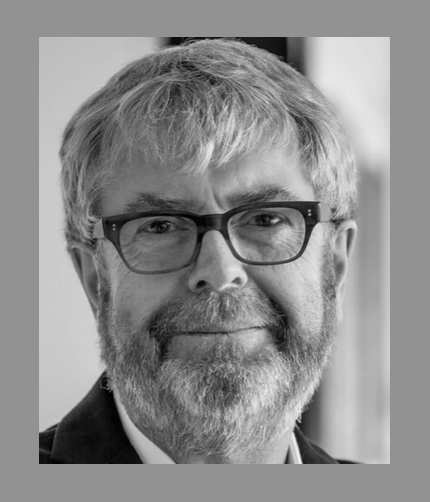
Dr. Nicolas Morgan built his career at the intersection of history, brand stewardship, and the modern industrial scale of Scotch whisky. His association with Diageo placed him within one of the most powerful custodians of Scotch whisky heritage, and his connection to Roseisle Distillery reflects the culmination of that role: a distillery designed not as a romantic relic of the past, but as a forward-looking engine for the future of Scotch.
Morgan was born in 1959 in England. His early life was shaped by a strong academic inclination rather than a direct path into distilling. He was educated at the University of Cambridge, where he studied history. That training proved foundational. It gave him both the discipline of archival research and a deep familiarity with the cultural and commercial forces that shaped British industry, including whisky. His academic grounding would later distinguish him from many in the Scotch industry, where practical distilling knowledge often overshadowed historical interpretation. But before entering the whisky trade, Morgan pursued a career in publishing and research. He developed expertise in editorial work, writing, and historical analysis, skills that would later define his contribution to Diageo. His early professional years were not spent in warehouses or distillery yards, but among documents, manuscripts, and narratives. That perspective allowed him to approach whisky not only as a product, but as a story shaped by people, markets, and time.
In the early 1990s, Morgan joined United Distillers, a predecessor to what would become spirits conglomerate Diageo. This period marked a turning point in the Scotch whisky industry. Consolidation was reshaping ownership structures, and companies were beginning to recognize the value of heritage as a commercial asset. Morgan entered at precisely the moment when historical knowledge could be transformed into strategic advantage. Within Diageo, Morgan took on roles that centered on heritage, brand development, and innovation. He became known as the company’s “Head of Whisky Outreach,” a position that combined education, advocacy, and storytelling. He worked closely with distilleries across Scotland, connecting production with brand identity. His work extended across the company’s extensive portfolio, including major names such as Johnnie Walker and the Classic Malts, but his influence was particularly visible in how Diageo framed its newer ventures.
Roseisle Distillery, located in Speyside near Elgin, opened in 2010 as one of Diageo’s most ambitious projects. Built at a reported cost of around £40 million, it was designed to supply malt whisky for blends at a scale rarely seen in Scotland. Unlike traditional distilleries rooted in 19th-century architecture, Roseisle was conceived as a modern, highly efficient production facility. Its design incorporated flexibility, energy efficiency, and the ability to produce multiple styles of spirit.
Morgan’s relationship with Roseisle emerged from his broader role in shaping how Diageo communicated its evolving identity. Roseisle represented a new chapter: a distillery that acknowledged the industrial realities of global demand while still operating within the traditions of Scotch whisky production. Morgan played a part in interpreting this shift, ensuring that Roseisle was not viewed merely as a factory, but as a continuation of the Scotch whisky story.
He emphasized that innovation had always been part of Scotch whisky’s history. In that sense, Roseisle was not a break from tradition, but an extension of it. The distillery’s scale and technology echoed earlier periods of expansion, such as the 19th-century boom that followed the phylloxera crisis in France. Morgan’s historical perspective allowed him to place Roseisle within that lineage, reinforcing its legitimacy within the Scotch whisky canon.
At Roseisle, production is geared toward supplying malt whisky for blends, particularly those within Diageo’s global portfolio. The distillery’s capacity—estimated at around 10 million liters of alcohol per year—positions it among the largest in Scotland. Its design includes multiple sets of stills and the capability to vary production parameters, enabling the creation of different flavor profiles. This flexibility aligns with Diageo’s blending requirements, where consistency and scalability are essential.
Morgan’s work intersected with these operational realities through communication and education. He engaged with industry professionals, journalists, and enthusiasts, explaining how Roseisle fit into the broader system of Scotch whisky production. His ability to articulate complex industrial processes in historical and cultural terms made him a key figure in shaping perceptions of the distillery.
Beyond his corporate role, Morgan established himself as a respected writer on whisky. He contributed articles to publications such as Whisky Advocate and maintained a widely read blog. His writing combined historical insight with contemporary analysis, often drawing connections between past practices and present developments. This dual perspective reinforced his authority within the industry.
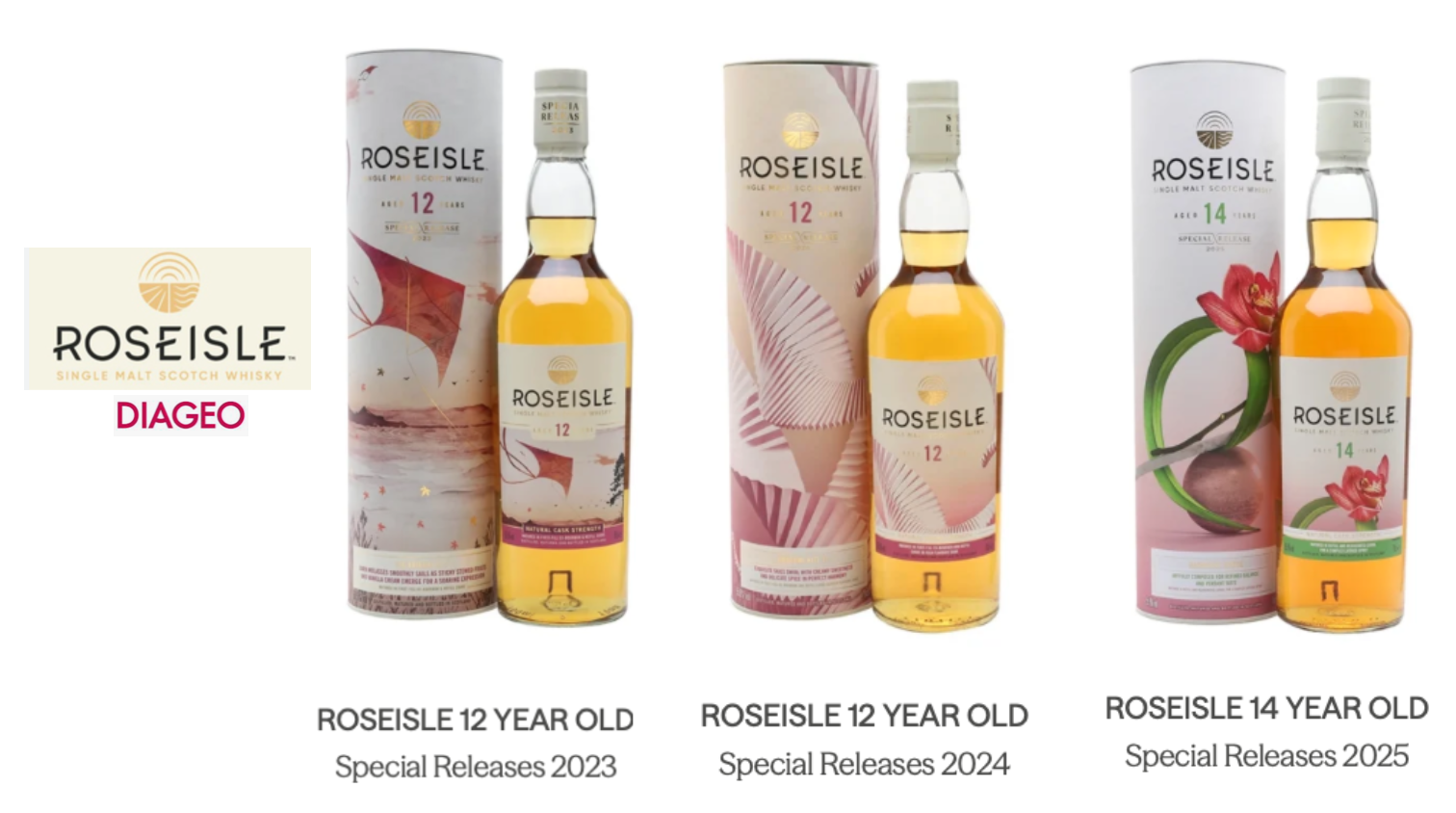
Morgan also played a role in Diageo’s Special Releases program, which highlighted rare and limited-edition whiskies from the company’s reserves. While Roseisle was primarily a blending distillery, its eventual appearance in special releases underscored its potential as a single malt. Morgan’s involvement in these initiatives reflected his broader commitment to showcasing the diversity of Scotch whisky.
In his personal life, Morgan has maintained a private profile. Publicly available information confirms his long-standing career and professional achievements, but details regarding his family, for instance, his parents, siblings, marriage, and children—have not been widely documented in accessible sources.
Before fully retiring from Diageo, Nick engaged in focused research into Johnnie Walker, and wrote a book on the brand called, ‘A Long Stride: The Story of the World's No.1 Scotch Whisky,’ which was released in 2020. After leaving his role as Head of Whisky Outreach he looked for a new whisky project, and eventually teamed up with The Whisky Exchange to write his next whisky book entitled, ‘Everything You Need to Know About Whisky (but are too afraid to ask).’
Morgan retired from Diageo in 2021 after approximately three decades with the company. His departure marked the end of a career that bridged traditional scholarship and modern brand strategy. By the time of his retirement, Roseisle had become an established part of Diageo’s production network, contributing to blends distributed worldwide.
So, Nick Morgan’s legacy within the context of Roseisle lies in interpretation rather than construction. He did not design the stills nor oversee daily operations, but he helped define how the distillery was understood. In an industry where perception and narrative carry significant weight, that role is consequential. He ensured that Roseisle was seen not as an anonymous industrial site, but as a cutting-edge and meaningful chapter in the ongoing story of Diageo specifically, and Scotch whisky in general. Thus Morgan’s overall career clearly demonstrates the importance of historical awareness in a modern industry. His work connected archival knowledge with contemporary practice, providing a framework for understanding innovation within tradition. At Roseisle, that perspective helped reconcile scale with authenticity, positioning the distillery within the broader heritage of Scotch whisky.
Sources:
Whisky Advocate, “The Future of Whisky Production at Roseisle”, Nick Morgan, whiskyadvocate.com
Scotchwhisky.com, “Roseisle Distillery Profile”
Diageo, “Our Distilleries: Roseisle”, diageo.com
Nick Morgan Blog, “Nick Morgan on Whisky”, nickmorgan.blogspot.com
The Whisky Exchange, “Meet the Maker: Nicholas Morgan”, thewhiskyexchange.com/feature
The Spirits Business, “Diageo’s Roseisle Distillery Explained”, thespiritsbusiness.com
Some photographs courtesy of The Whisky Exchange
Contributed by Tracy McLemore, Fairview, Tennessee USA