Peter MacKenzie

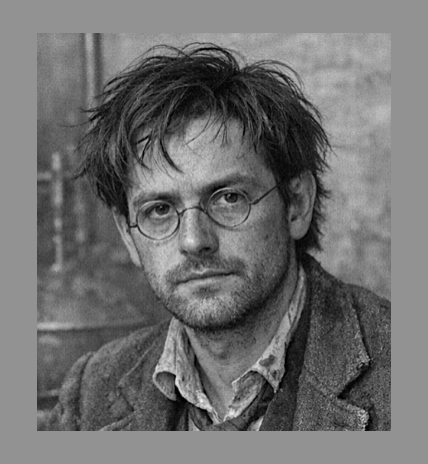
There are no known pictures of Peter MacKenzie. Above is an AI-generated image based on known facts about his life.
Peter MacKenzie enters the Dufftown story as a man whose trade was whisky long before it ever became a place on a label. By the time he helped bring a new distillery into being on the River Dullan, he was already working in the commercial world of wine and spirits—brokering, blending, and selling during a period when Scotch whisky was expanding beyond local consumption into a modern export industry. Surviving distillery histories name him clearly as the driving founder at Dufftown, yet they offer only scattered glimpses of his private life. Even so, the outline of his career is unusually revealing. It shows how late-Victorian Scotch was often built not by “farm still” legends, but by merchants who understood capital, logistics, and markets.
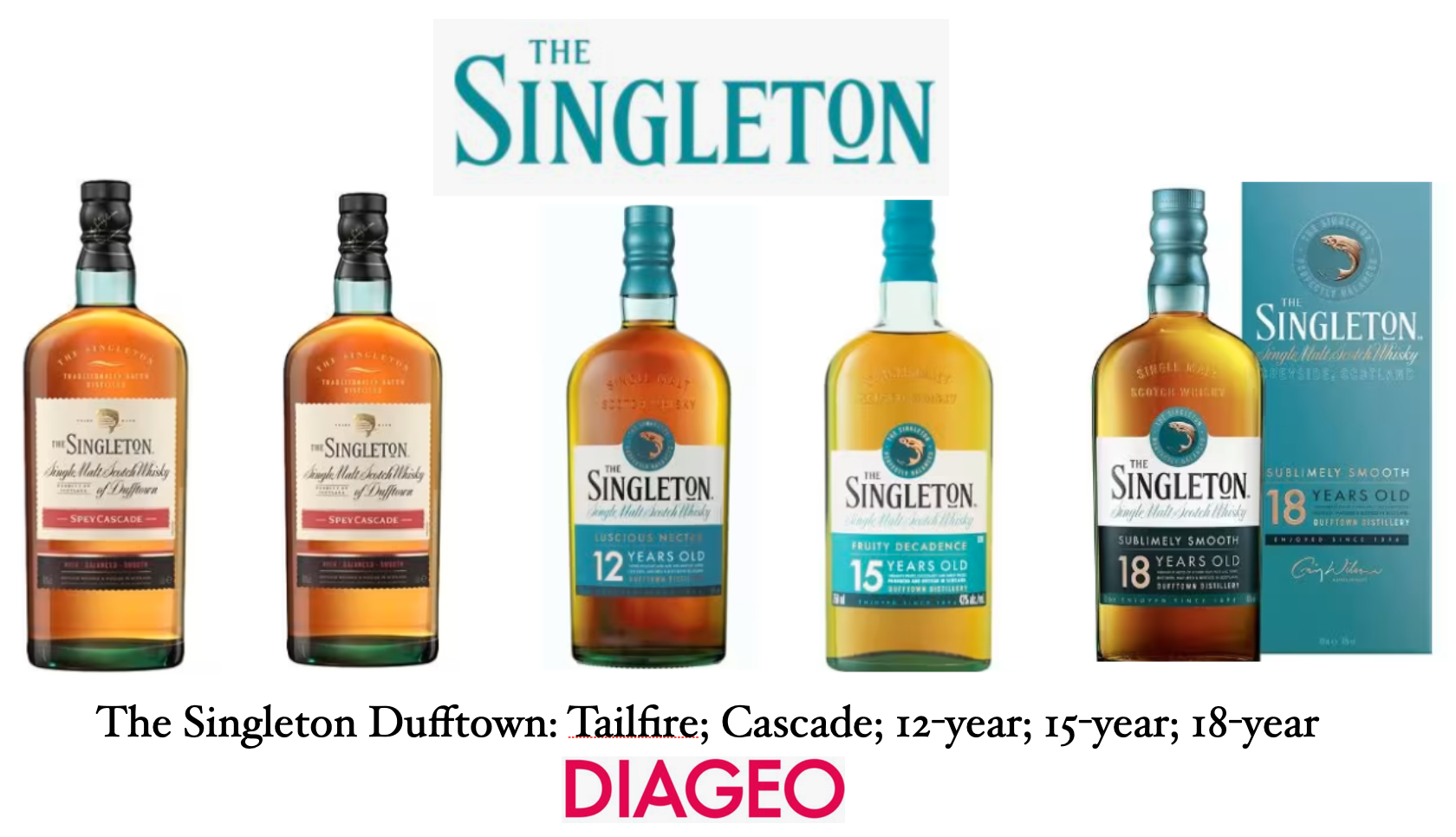
MacKenzie had been born in Glenlivet in around 1862, but by the 1890s he was established as a wine and spirit broker working out of South Castle Street in Liverpool. Liverpool was important because it was one of Britain’s most important commercial ports, and whisky was increasingly a traded commodity as much as an agricultural product. That mercantile perspective shaped MacKenzie’s next move. When he turned his attention to Speyside, he approached distilling not as a local craft enterprise but as a supply source for blending and export. The distillery he founded at Dufftown would later become associated with the name “Singleton,” a term that ultimately reflected its identity as a single-site malt distillery rather than a proprietary brand created at the outset.
By the mid-1890s, Dufftown was already firmly established as a whisky town. A new distillery there would be the sixth operating in the immediate area by the time it began running. The project that became known historically as Dufftown-Glenlivet did not begin with a blank field and newly quarried stone. Instead, MacKenzie and his partners converted existing mill buildings beside the River Dullan, repurposing industrial infrastructure for whisky production. MacKenzie was the leading founder, but his partnership also included Richard Stackpole and Charles MacPherson. Nearby stood John Symon’s sawmill and meal mill, which were likewise incorporated into the scheme, bringing Symon in as an additional partner.
Production began in late 1896, reflecting the rapid transition from conversion work to spirit running during the height of the Scotch whisky boom. For investors at the time, the mid-1890s appeared almost limitless in opportunity. New distilleries opened, demand surged, and capital flowed freely into whisky. MacKenzie’s timing, however, proved unfortunate. Within only a few years, the boom collapsed. The whisky market contracted sharply, and MacKenzie’s new distillery found itself operating in a far harsher commercial climate than the one that had encouraged its founding.
Within roughly three years of establishment, MacKenzie was forced to pivot toward the American market. That shift brought higher shipping costs, longer lead times, and a more uncertain customer base, one accustomed to darker, oak-forward spirits. Nonetheless, MacKenzie and his partners persisted. By 1898, the distillery had come under the umbrella of MacKenzie’s broader company interests. That same year, he bought out his partners, relocated to Edinburgh, and reorganized the business as P. Mackenzie Distillers Ltd.
Not long afterward, both Dufftown and Blair Athol were sold to Arthur Bell & Sons. These changes were more than administrative. They reveal the kind of whisky figure MacKenzie was: not a resident distillery laird rooted to one site, but a commercially mobile blender-merchant. He treated distilleries as productive assets within a larger system designed to bottle, blend, and sell whisky at scale. By linking Dufftown and Blair Athol to an integrated blending and distribution structure, he was attempting to build resilience in an increasingly volatile industry.
The historical record concerning MacKenzie’s family life is sparse. It does establish that he married and had sons who were involved, at least to some degree, in the business. Diageo’s distillery history refers specifically to “MacKenzie and his sons” redirecting their efforts toward the American market after the crash. It is also known that after MacKenzie moved to Edinburgh, the company was later run by his son John, alongside a partner named George Stoddart. These references anchor MacKenzie as a family businessman whose firm continued into the next generation, even if personal details remain largely absent from public whisky sources.
Over time, the Dufftown distillery became closely associated with large-scale blending demand, particularly for Bell’s, before passing into the broader corporate structures that defined twentieth-century Scotch whisky. One frequently noted distinction is that Dufftown was among the relatively small number of Scottish distilleries still operating when American Prohibition ended in 1933. That survival is commonly attributed to export orientation and an established reputation, both features that trace directly back to MacKenzie’s original commercial strategy.
MacKenzie himself does not appear prominently in those later milestones, but the shape of his decisions endures. He built for export, organized ownership through a dedicated company, and involved his sons in the business. In that light, the distillery’s later identification as “The Singleton of Dufftown” reflects something deeper than a modern marketing name. It points back to a single distillery created during a boom, tested by a collapse, and structured by a blender-merchant who understood that whisky’s future would be decided not only in stillhouses, but also in offices, warehouses, and ports.
Sources:
Diageo Bar Academy, “The Singleton Dufftown Distillery”, diageobaracademy.com
Whiskypedia, “Dufftown”, Whiskypedia.com
Difford’s Guide, “Dufftown Distillery”, diffordsguide.com
The Whisky Exchange, “Dufftown”, thewhiskyexchange.com
Whisky Auctioneer, “P. Mackenzie & Co Distillers”, whiskyauctioneer.com
Whiskipedia, “Blair Athol”, whiskipedia.com/distilleries/blair-athol/
Home of Malts, “Dufftown”, homeofmalts.com
Contributed by Tracy McLemore, Fairview, Tennessee USA