Tom Maas

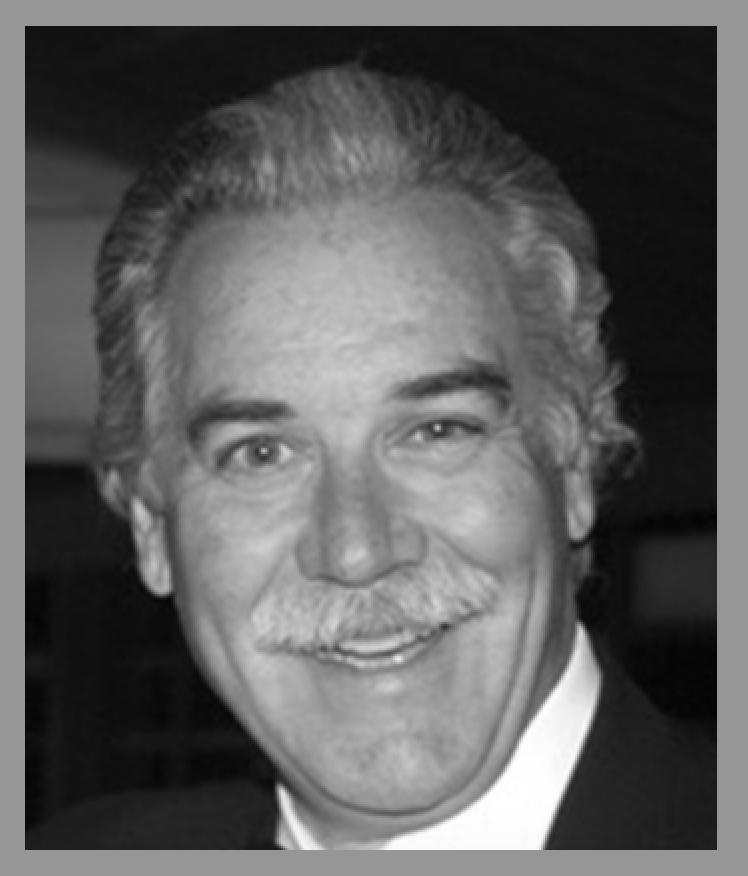
The whiskey story of Thomas E. “Tom” Maas begins many years before his own birth. The Maas family's American roots reach back to the nineteenth century when Frederik Maas immigrated to Wisconsin and established a farm in Shawano County. The property produced cattle, corn, alfalfa, and maple syrup. That farm, which has remained in the family for generations, became the foundation upon which the family's later involvement in distilling would be built.
Tom’s dad, Duane Maas married Tom’s mother, Sonja, in March of 1950, and together they raised three sons. One of those sons was Tom Maas, who was born in May of 1956. But it was Duane who first explored distilling as a career. After attending the University of Wisconsin–Madison and serving in the United States Air Force, Duane completed an engineering degree, and although it was not his first career, his engineering background eventually led him to become one of the most accomplished distillery engineers of his generation. Over a career spanning more than fifty years, Duane reportedly designed, built, commissioned, or expanded sixteen distilleries in nine countries. Tom began traveling to many of those international job sites with his father when he was only 11, and the seeds of a career in the spirits industry became implanted for the second generation of Maas men.
As soon as he graduated college, Tom entered the beverage industry himself. Over the following four decades he built an impressive résumé that included work with several of the most recognizable names in North American whiskey, including Canadian Club, Jim Beam, and Jack Daniel’s. These positions gave him experience not only with whiskey itself, but also with distribution networks, consumer marketing, brand strategy, and international sales. Those roles required Tom to form growth and innovation strategies that helped usher in the very era of small-batch bourbon at a time when bourbon sales overall were down.
One of the most consequential chapters of Maas's career occurred during his years associated with Jim Beam. Despite the downturn of the 1990s, Beam was emerging as one of the industry's most successful bourbon producers, and Maas gained firsthand experience in the management and marketing of a major American whiskey brand. His responsibilities exposed him to the complexities of national distribution, retailer relationships, and consumer engagement. And Maas's experience was not limited to bourbon. His work also included Canadian whisky and Tennessee whiskey, giving him exposure to multiple whiskey traditions and production philosophies. That breadth of experience helped him develop a comprehensive understanding of whiskey markets throughout North America.
While Tom was building his corporate career, the family connection to distilling remained strong. His father Duane continued designing and consulting on distillery projects around the world. The family's accumulated knowledge included agriculture, engineering, distillation, maturation, marketing, and sales. Over time, the possibility of creating a family-owned whiskey business became increasingly attractive. So following his own retirement from Jim Beam, Maas chose not to leave the spirits industry behind. Instead, he joined his father in a bottling venture that allowed the two men to work together directly. Their collaboration represented a rare convergence of experience. Duane brought decades of technical expertise, while Tom contributed extensive knowledge of whiskey branding and sales. Together they explored opportunities that eventually led toward a larger vision. At the same time, Tom was not ready to leave spirits production behind completely. One day in 2009, while in his own kitchen, at the age of 54, Tom developed the recipe for RumChata, a creamy liqueur made from five-times distilled Caribbean rum, real Wisconsin dairy cream, cinnamon, and vanilla. RumChata quickly became one of the country’s best sellers of flavored rum, and was subsequently sold to E & J Gallo in 2021 for an undisclosed sum.
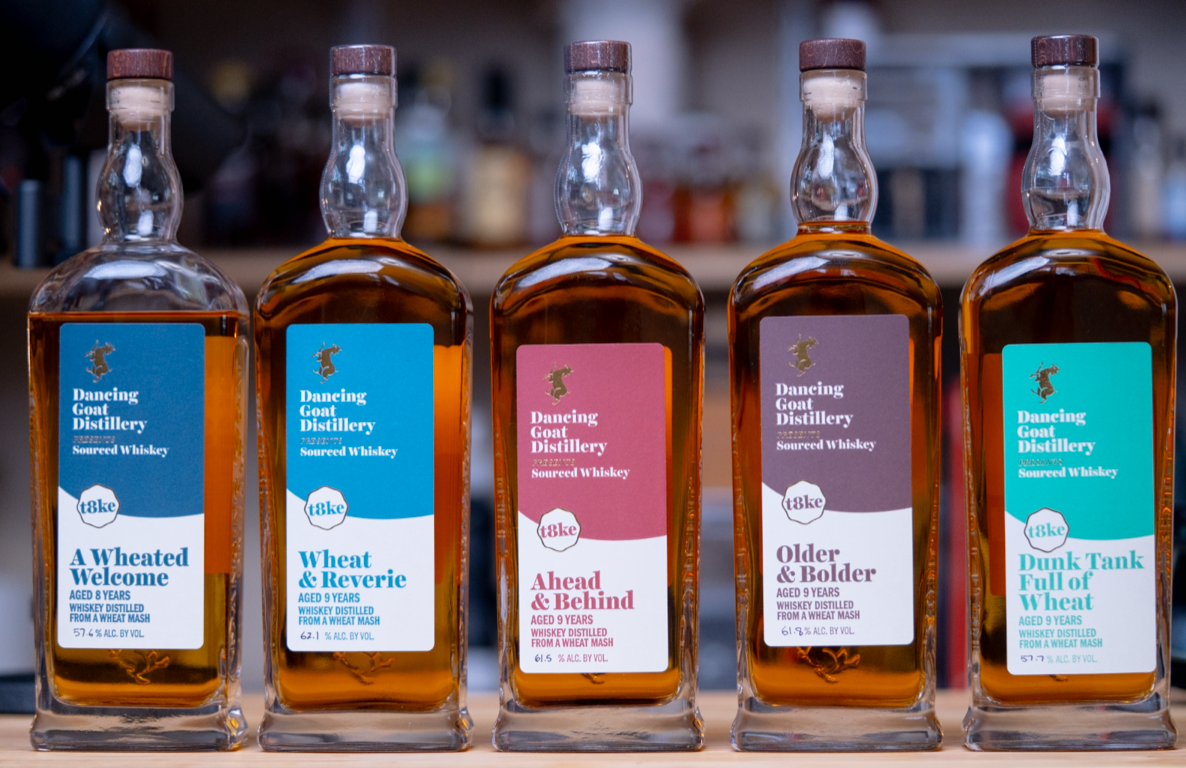
Meanwhile, the next generation was already becoming involved. Tom's son, Nick Brady Maas, frequently assisted at the bottling operation while home from college. As Nick gained experience, discussions emerged about creating a distillery that would unite the strengths of all three generations. Those discussions eventually resulted in the founding of Dancing Goat Distillery in Cambridge, Wisconsin in 2014. The project was conceived not merely as a business venture but as a continuation of the family's long relationship with spirits production. Duane remained involved in planning and consultation despite advancing age and declining health. Although he died in 2016 before seeing the distillery fully mature, his influence has remained embedded in the project from the beginnin
Within Dancing Goat, Maas assumed a leadership role that drew heavily upon his decades of industry experience. Rather than attempting to replicate the practices of large corporate distillers, he focused on helping a small Wisconsin company establish its own identity. The distillery developed a reputation for experimentation, particularly in barrel finishing and maturation techniques. Products such as Limousin Rye Whiskey demonstrated a willingness to combine American whiskey traditions with influences more commonly associated with Cognac production. Tom also became one of the distillery's principal ambassadors. His long career provided a wealth of stories and industry knowledge that resonated with whiskey enthusiasts. Whether appearing at tastings, festivals, or educational events, he represented a living connection between the large-scale whiskey industry of the late twentieth century and the craft-distilling movement of the twenty-first.
In 2025, Tom Maas wrote his memoir “Tastes Like Money: RumChata and the Making of a Beloved Brand,” with the final hardcover book and audiobook officially published in early 2026. But perhaps the most remarkable aspect of Maas's story is the continuity it represents. Few individuals can claim connections to four generations of family involvement in whiskey. Through his grandfather's engineering achievements, his father's technical legacy, his own corporate career, and his son's role in Dancing Goat, Maas stands at the center of a family narrative that spans more than a century of agricultural, industrial, and distilling history. Today, while Dancing Goat Distillery serves as the culmination of that legacy, Tom has retired to Illinois with his wife, Susan. Yet for Tom Maas, Dancing Goat represents more than a successful distillery, it is the realization of a family tradition that transformed a Wisconsin farm into a multigenerational presence in the craft whiskey industry.
Sources:
Dancing Goat Distillery official website, “Our Story”, dancinggoat.com
Clandestine Whisky Magazine,“Interview with Tom Maas of Dancing Goat Distillery,” David Pearce, April 6, 2020, clandestine-whisky.com
Author Biography, “Tom E. Maas” (Amazon author page), amazon.com
Contributed by Tracy McLemore, Fairview, Tennessee