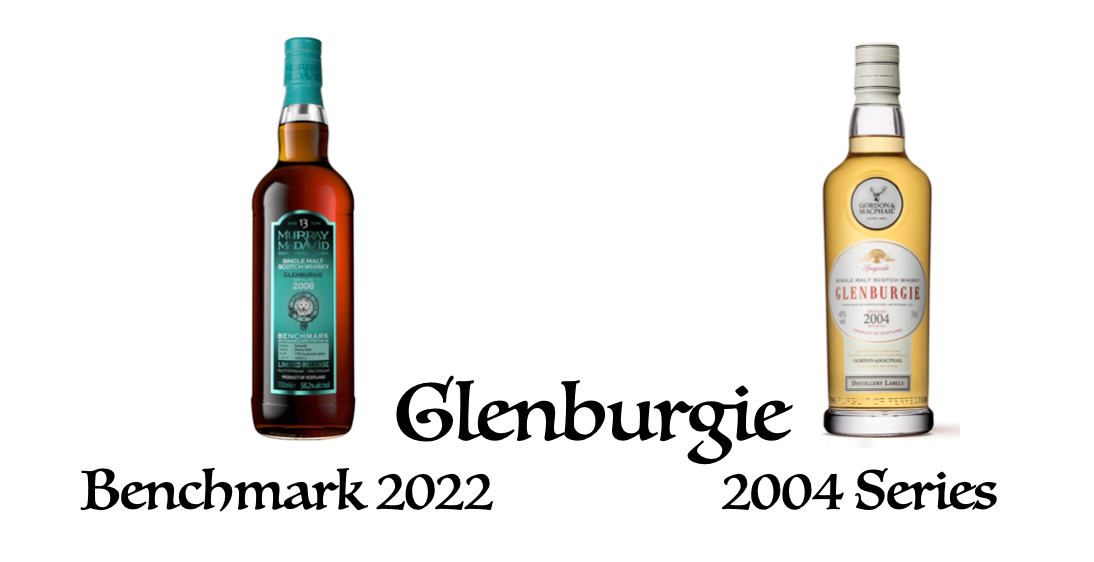
William Paul
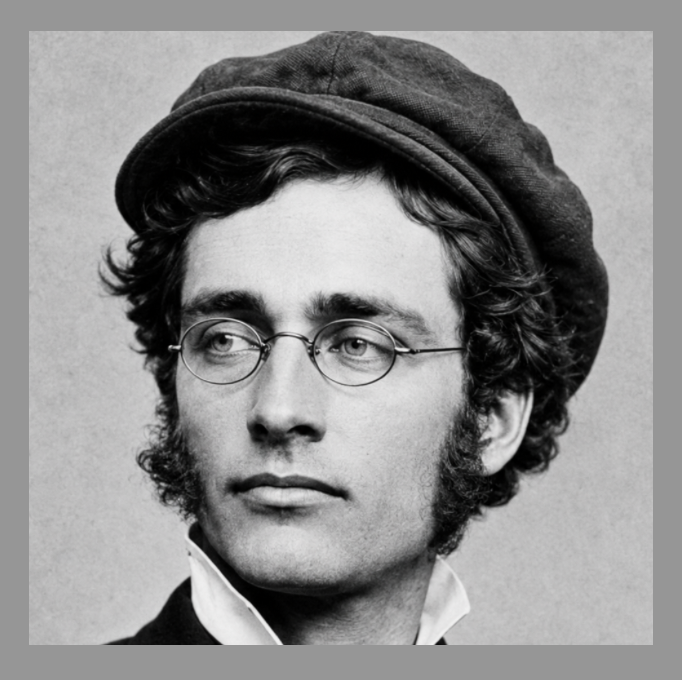
There are no actual photographs of William Paul
Above is an AI-generated image of him based on facts known about his life.
The history of Glenburgie Distillery begins with two Morayshire brothers whose lives were rooted in farming, local enterprise, and the changing rural economy of northern Scotland. One of those brothers, William Paul, was a man whose career reflected the gradual transformation of whisky-making in Speyside from small agricultural production into a modern commercial industry. William’s brother, John Paul, would remain associated with him in business ventures including distilling, but William was the older brother and more experienced and established figure.
William Paul was born in Morayshire in 1797. His father was a distinguished surgeon. William was initially a farmer and also a talented but illicit distiller in the vicinity of Forres and Alves. That area that would eventually become one of the most important whisky-producing districts in Scotland. There, barley grown on local farms could be sold directly or fed to livestock. Some of it was usually converted into whisky, often providing rural farmers with a use for surplus grain that also provided a lucrative source of income supplement.
The Scotland into which William Paul came of age was still emerging from the long conflict between illicit and licensed whisky production. Even after the Excise Act of 1823 made legal distilling more economically feasible, illicit stills remained common across many districts. The decades that followed saw ambitious rural entrepreneurs begin establishing licensed distilleries capable of supplying broader markets, and it was during this changing period that William Paul became connected with large-scale legal distilling.
Paul established the successful “Grange Distillery” in 1810 near Forres, Morayshire. Nearby, nineteen years later, he founded the Kinflat distillery, later to be known as Glenburgie distillery, He had carefully chosen both his distillery’s locations: close to fertile farmland, nearby reliable water sources, and transportation links that would allow whisky to reach expanding urban markets. Legal distilling at Kinflat began immediately, and census and valuation records from the day indicate that William Paul also maintained substantial standing within the local community. He married and established a household within the district, and various Paul family members appear across Morayshire records during that time, which strongly suggests an extended kinship network rooted in the area. As with many Speyside families of the period, several generations within the same clan usually remained geographically close, tied together through farming leases, business relationships, parish connections, and even marriage.
Kinflat/Glenburgie was initially very successful, and became quite well-known within Speyside, likely contributing to Paul’s local prestige. The broader economic transformation of Morayshire during William Paul’s lifetime also shaped the distillery’s good fortunes. Roads improved, railway development accelerated, and Scotch whisky gradually evolved from a primarily regional product into a national and international commodity. Over the next few centuries, distilleries that once sold largely within Scotland increasingly found themselves tied to expanding commercial networks reaching England and overseas markets. Glenburgie stood directly within that transformation. Yet the early decades of Glenburgie were not entirely stable. Like many distilleries founded in that era, it experienced fluctuations in production and commercial success. The whisky trade remained vulnerable to financial downturns, changes in taxation, and shifting demand. Small rural distillers frequently struggled to maintain consistent profitability, particularly before the rise of large blending firms created steadier long-term markets for malt whisky.
In 1871, William Paul, by then nearing 75 years of age and in poor health, sub-let the distillery to Charles Hay, who, at that point, changed the distillery’s name to Glenburgie. Two years later, in about 1873, William Paul died. In 1882, Hay sold Glenburgie to Alexander Fraser & Company. Fraser guided Glenburgie’s survival through the notorious Pattison Crash, World War I, and the first stages of American Prohibition, only to inexplicably go bankrupt in 1925. The receiver at that point became a well-known character named Donald Mustard. Mustard took over but did not resume production before selling to the blending firm James & George Stodart, Ltd. Stodart was later bought out by Hiram Walker, who owned it until it was purchased by current owners, Chivas Brothers/Pernod Ricard in 2005.
The district surrounding Forres and Alves had changed visibly during these years. Agricultural “improvement” altered patterns of landholding and farming practice, while commercialization touched nearly every aspect of rural life. Distilling likewise became more professionalized and capital-intensive. The small-scale agricultural spirit trade of the eighteenth century slowly gave way to larger and more technologically sophisticated operations. William Paul’s career therefore belonged to an important transitional generation: men who began life in the old rural economy but lived long enough to witness the emergence of industrialized Scotch whisky.
In any case, the history of Glenburgie moved far beyond Paul’s era. Ownership changed repeatedly over subsequent decades, but the distillery became increasingly integrated into the blending trade, eventually serving as a significant component in national brands, particularly Ballantine’s. Modern expansions have now transformed it into a far larger industrial operation than anything William Paul would have recognized. Yet the foundations of that later success were laid during the difficult formative years in which men like William Paul established legal whisky-making as a durable business in Morayshire. He belonged to the generation that helped move Scotch whisky from the margins of legality and local consumption into the center of Scottish commercial life. In the end, Paul’s story is not merely the tale of one distiller, but of a wider rural Scottish transformation in which farming families, local enterprise, and whisky together reshaped the economy and identity of all of Speyside.
Sources:
Scotland Whisky and Distilleries, “Glenburgie”, whisky-distilleries.info
Maltspedia, Glenburgie”, maltspedia.com
Whisky 1901, “Glenburgie”, whisky1901.com
Contributed by Tracy McLemore, Fairview, Tennessee USA