Willie Pratt

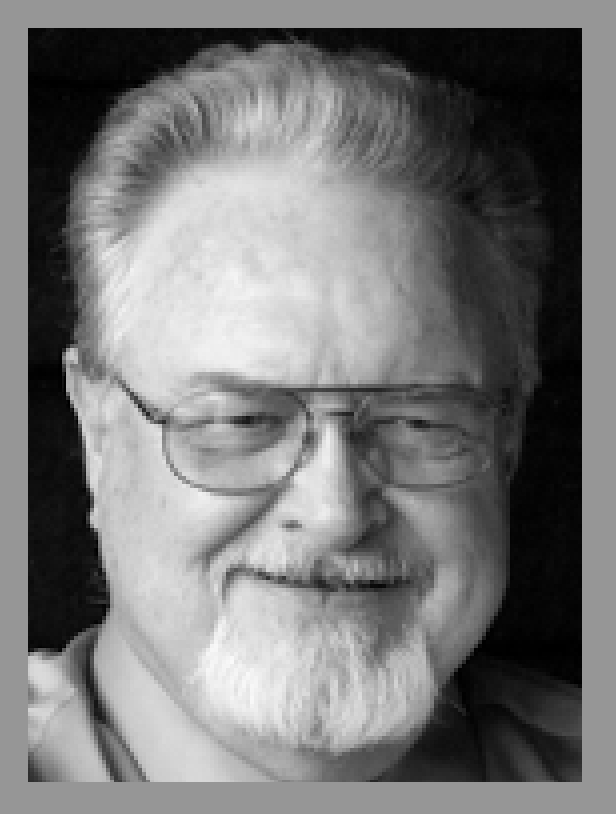
Willis Pratt was born in 1942 to his parents Kenneth and Vertie Pratt in Hazard, Kentucky. His mother was a schoolteacher while his father worked as a coal miner. Growing up in Hazard, Pratt witnessed the difficult, dangerous, and uncertain nature of mining life, and how it was generally expected that he would follow his father into the mines. But instead, Willie looked toward Louisville, the state's largest city, center of much of the nation’s bourbon industry, and away from Eastern Kentucky coal mines.
Soon Pratt obtained an entry-level position in the mailroom at Brown-Forman, then already one of America's premier whiskey companies. But rather than treating the job as simply employment, Pratt viewed it as an opportunity to build a career. Brown-Forman encouraged employee education, and while working full-time at the company Pratt began evening classes at the University of Louisville, where he eventually earned a BS in Business Administration.
Degree in hand, Pratt began to steadily advance through Brown-Forman's organization, eventually serving in numerous technical and production positions. Although he became knowledgeable about virtually every aspect of whiskey production, his greatest interest and expertise developed in whiskey maturation. There, he worked alongside another future bourbon legend, Lincoln Henderson, as part of Brown-Forman's committee that was formed to specifically study distillation practices, barrel cooperage, warehouse conditions, and aging. These years proved decisive in shaping Pratt's philosophy that exceptional whiskey results not from shortcuts or rigid adherence to age statements, but from careful observation of every barrel throughout its maturation. Rather than viewing warehouses merely as storage facilities, Pratt regarded them as living environments where temperature, humidity, and wood chemistry came together in time to produce distinctive whiskey.
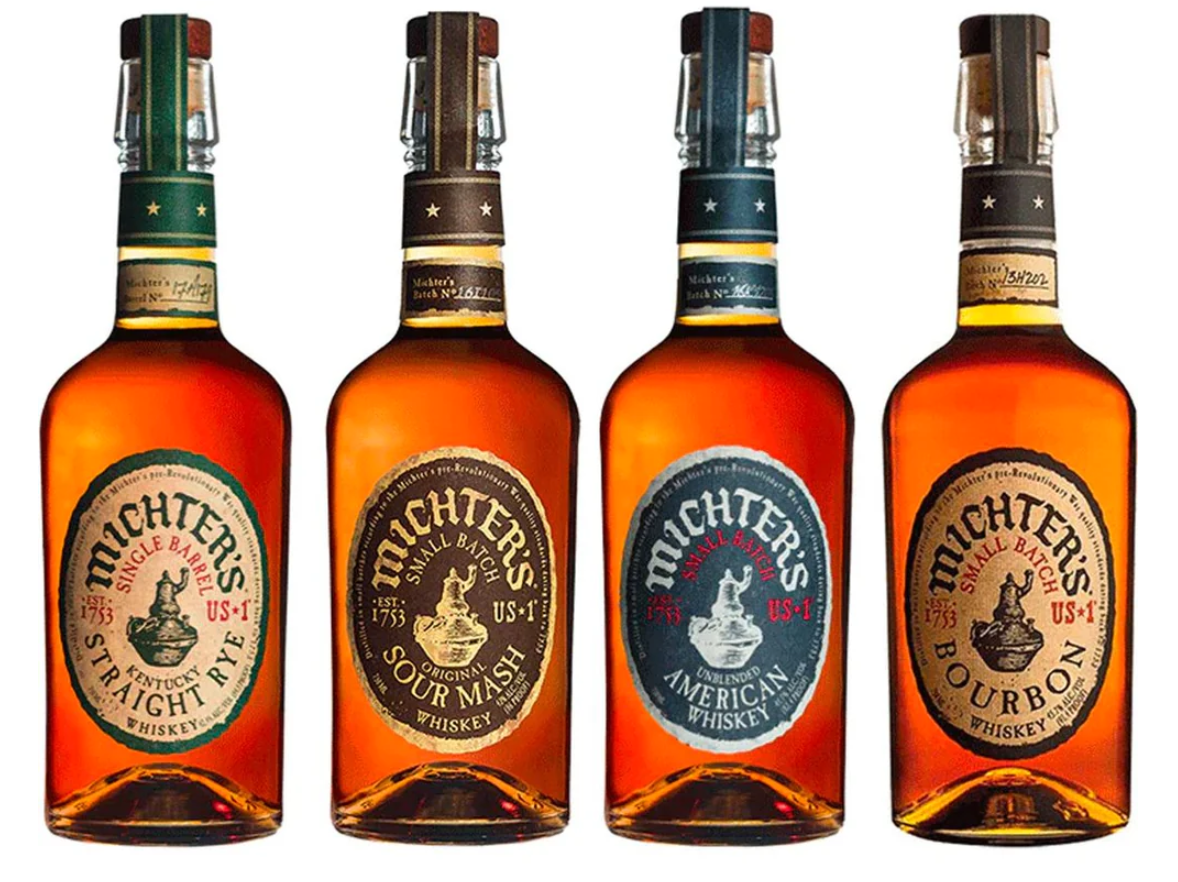
After more than forty years with Brown-Forman, Pratt retired at the age of sixty-five. Retirement, however, was short-lived. His extensive knowledge remained in demand throughout Kentucky's bourbon industry, and when entrepreneur Joseph J. Magliocco sought to revive the historic Michter's brand in 1997, Pratt became an ideal choice to guide its whiskey program. Magliocco had envisioned creating an entirely new Kentucky-based operation built around exceptional whiskey rather than high production volume, and Pratt’s experience provided precisely the technical leadership required to transform that vision into reality.
When Pratt joined Michter's, the company did not yet possess its own distillery. Instead, production initially took place under contract at another Kentucky facility using Michter's proprietary mash bills, yeast strains, and production specifications. Yet Pratt supervised every important technical detail, insisting upon procedures that differed from many industry norms. Among his best-known preferences was filling barrels at a relatively low entry proof of 51.5% alcohol (103 proof), believing this preserved richer flavor compounds during maturation..
As Michter's matured financially, Pratt assumed another formidable responsibility: helping design and build the company's own distillery in Louisville's Shively neighborhood. Constructing a new distillery capable of producing whiskey that matched the quality of the earlier contract-distilled spirit required translating decades of accumulated experience into engineering decisions. Pratt helped determine equipment specifications, production methods, and maturation protocols so that Michter's own distillate would remain faithful to the flavor profile the company had already established. This transition represented one of the most important milestones in the modern history of the revived Michter's brand.
Throughout his years at Michter's, Pratt became known throughout the bourbon world for his uncompromising standards. Friends and colleagues frequently observed that he refused to release whiskey until convinced it had reached its fullest potential. His repeated willingness to delay bottlings earned him the nickname "Dr. No," a title he accepted with grace because he knew that it reflected his commitment to quality rather than production schedules. That philosophy became deeply embedded within Michter's corporate culture, where whiskey continues to be evaluated primarily on taste instead of simply chronological age.
Equally important was Pratt's willingness to share his knowledge. Those who worked alongside him consistently described him as generous with his experience while expecting equally high standards from younger whiskey makers. Among those influenced by his mentorship were Master of Maturation Andrea Wilson, Master Distiller Pam Heilmann, and later Master Distiller Dan McKee, each of whom has acknowledged Pratt's lasting influence upon their own personal production philosophy.
Even after his retirement as Master Distiller, Pratt remained actively engaged as Master Distiller Emeritus, continuing to analyze warehouse data, review maturation records, and advise colleagues. According to those closest to him, he continued studying whiskey almost until the end of his life.
Despite his prominence within the bourbon industry, Pratt remained notably devoted to his family. He had married his wife, Patricia Oehrle Pratt in the mid-1960s, and they had enjoyed three children together, Paula, David and Jason. Pratt also was an avid hunter and fisherman, and thoroughly enjoyed his three grandchildren and two great-grandchildren.
Willie Pratt passed away on December 27, 2020, at the age of seventy-eight. Tributes from throughout the whiskey industry emphasized not only his technical brilliance but also his generosity, integrity, and unwavering commitment to producing whiskey of exceptional quality. His influence extended far beyond the barrels he personally supervised. By helping establish the production philosophy of modern Michter's and mentoring the next generation of whiskey makers, Pratt ensured that his standards would continue guiding the distillery long after his own career had ended. Today, many of the characteristics for which Michter's is internationally admired, including careful maturation, restrained production, and flavor-first decision making, owe much to the principles that Willie Pratt spent a lifetime refining.
Sources:
Whisky Magazine, "Remembering Willie Pratt, Late Master Distiller Emeritus at Michter’s”, Liza Weisstuch, April 6, 2021
Bourbon Veach,, "Willie Pratt: A Wealth of Experience”, Chuck Cowdery, May 8, 2017
PR Newswire, "Michter's Mourns the Loss of Master Distiller Emeritus Willie Pratt”, December 28, 2020, prnewswire.com
Owen Funeral Home (obituary for Willis Pratt), www.owenfuneralhome.com
The Spirits Business, "Michter's Master Distiller Emeritus Dies”, Nicola Carruthers, January 4, 2021
Whisky Advocate, "The Story of the Great Michter's Revival”, March 14, 2024
The Whiskey Reviewer, "Interview with Michter's Master Distiller Willie Pratt”, Kurt Maitland, 20 December 2013
Contributed by Tracy McLemore, Fairview, Tennessee