Babs Robertson

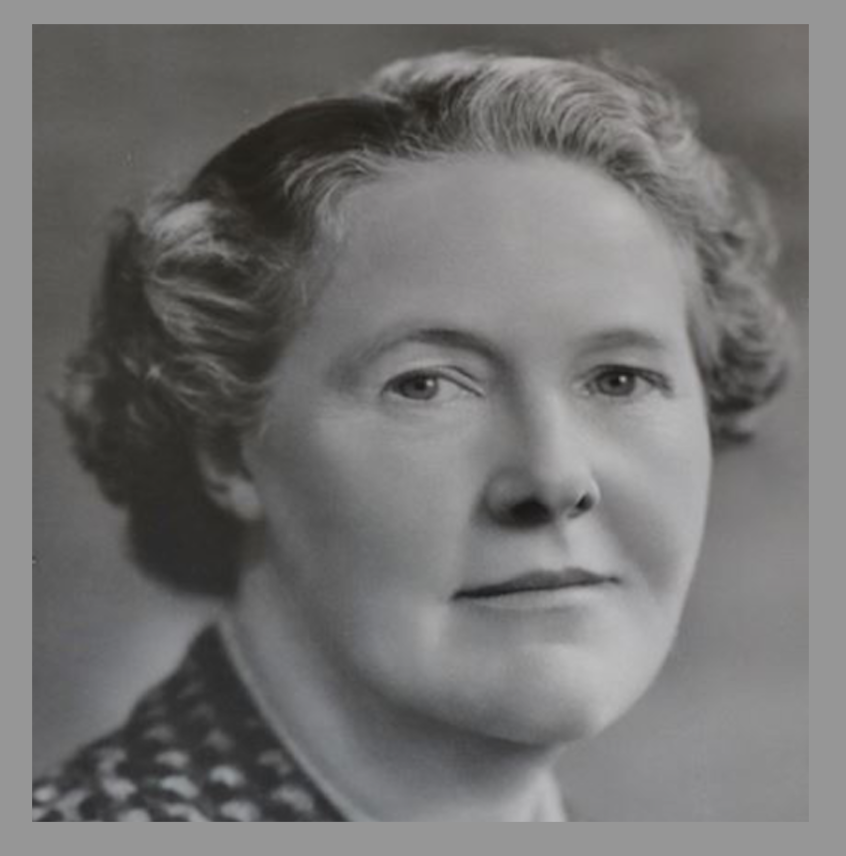
Ethel Greig Robertson, better known throughout Scotland’s whisky industry as “Babs” Robertson, was born on 5 May 1902 in Prestwick, Scotland. She entered one of the most influential whisky families in the country at a moment of both privilege and tragedy. Her father, James Robertson, was already a major figure in Scotch whisky through the family businesses Robertson & Baxter, the Clyde Bonding Company, and Highland Distillers. Her mother, Agnes Ethel Greig Robertson, died only days after Babs was born. But the family’s fortunes had been established by her grandfather, William Alexander Robertson, himself one of the great nineteenth-century figures of the Scotch whisky trade. Beginning as a broker in Glasgow in the mid-1800s, he founded Robertson & Baxter in 1861, later created the Clyde Bonding Company, and helped establish Highland Distillers in 1887. By the time of Babs Robertson’s birth, the Robertson family occupied a central place in Scotland’s whisky industry.
Babs was the youngest of the four Robertson children. She was always close to her two older sisters, Agnes and Elspeth. The three sisters also had an older brother who was expected to inherit the family whisky interests. The Robertson household combined wealth with business savvy. Their father, James, was known throughout the whisky trade as careful but courteous, and deeply loyal to his employees. Former associates later remembered him as a man who took a personal interest even in junior workers. Those traits strongly influenced his daughters. Babs and her sisters developed a lifelong sense of responsibility toward employees and local communities, principles that later shaped the very structure of the businesses.
The Robertson children spent much of their lives between Glasgow and the family’s country interests in the Borders. Babs, Agnes, and Elspeth became especially close after the influenza pandemic of 1918 when their brother died, leaving the three sisters as the surviving heirs to the Robertson whisky empire. The sisters would remain tightly connected for the rest of their lives and eventually operate the family business as a united front. There is no credible evidence that any of the three sisters ever married or had children.
Yet the Robertson women thrived in a world that rarely entrusted major industrial businesses to women, particularly in the Scotch whisky trade. All three sisters became formidable business figures, although Agnes and Elspeth were less publicly visible than Babs. The sisters always worked collaboratively regarding ownership and long-term strategy. Associates later described them as intensely loyal to one another, with Babs serving as the public face and principal strategist.
Their defining turning point came in 1944 with James Robertson’s death and ownership of the family interests passed solely to the three sisters. At a time when major international drinks companies were aggressively seeking control of Scotch whisky producers, the Robertson holdings suddenly became an attractive target. The family businesses included substantial influence over Robertson & Baxter, Highland Distillers, and the enormously successful Cutty Sark brand, which had by that time had become one of the best-selling whiskies in its largest market, the United States.
But Babs Robertson was intelligent, forceful, and unusually calm under pressure. Industry observers later remembered her combination of elegance and toughness. Colloquially known as “Miss Babs,” she drove fast cars, preferring Aston Martins, and cultivated a polished but understated public image. Behind the scenes, however, she was regarded as one of the shrewdest figures in all of whiskydom.
The greatest threat to the Robertson interests came during the 1950s when large North American liquor companies sought to gain control of Scottish whisky producers and supply chains. One of the most aggressive suitors was Samuel Bronfman of Canada’s Seagram. Bronfman recognized the enormous strategic value of the Robertson holdings, particularly their access to blending stocks and distribution relationships. But Babs Robertson refused to sell, and the struggle to maintain independence lasted years. During those days, the sisters maneuvered carefully through changing share structures and holding arrangements in order to preserve Scottish control over their companies. Their resistance reflected more than business pride—they all believed deeply that their companies carried obligations to employees, suppliers, and Scotland itself.
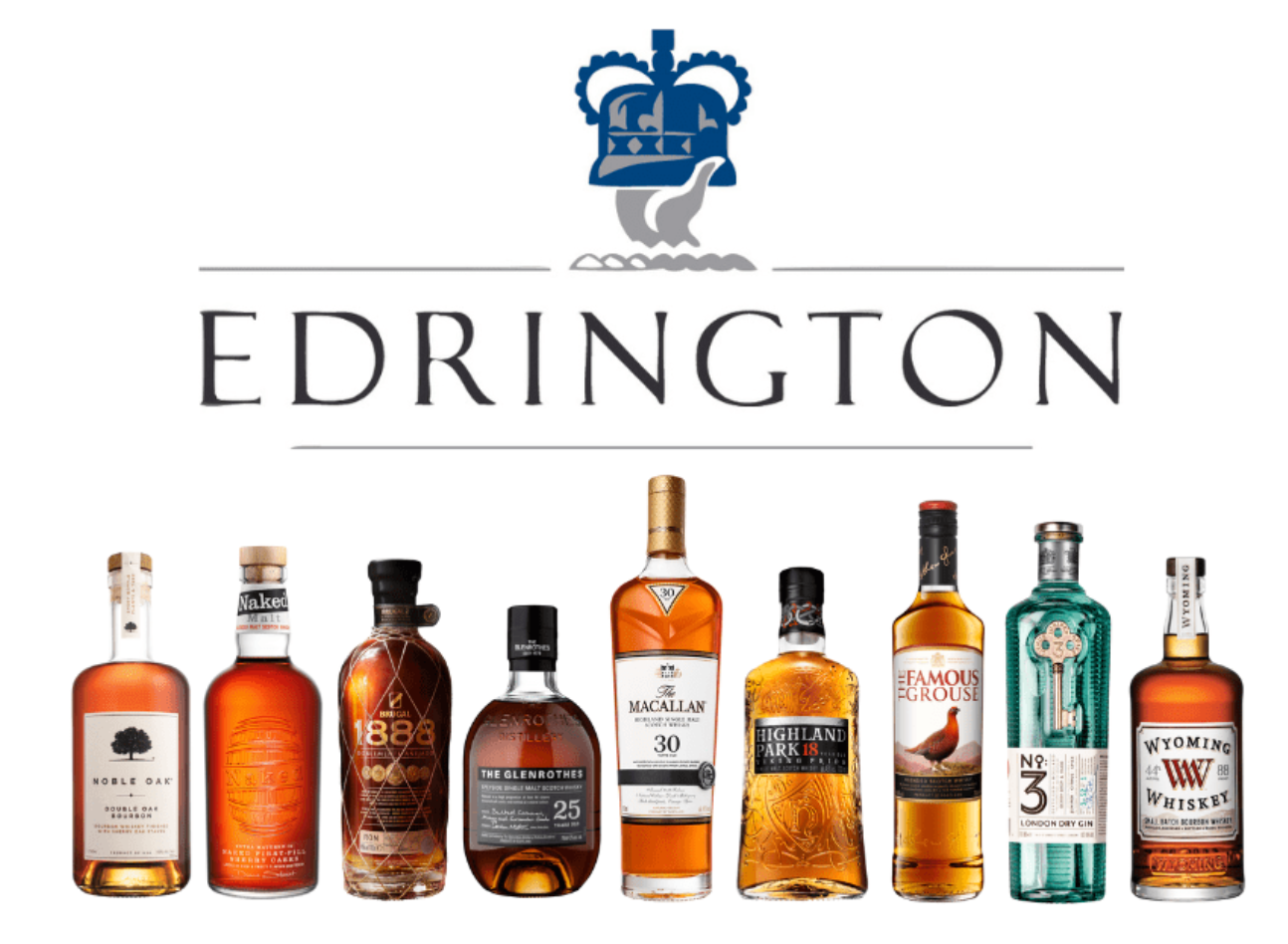
To protect the business permanently, the sisters developed an innovative corporate structure. In 1961 they created The Edrington Group, named after one of the family’s Berwickshire estates. At the same time, they established The Robertson Trust and transferred their voting shares into the charitable organization. The arrangement protected the whisky companies from future takeover pressures while ensuring that profits would support charitable work across Scotland. That decision transformed Scotch whisky history. Soon, what began as a defensive maneuver eventually created one of the largest and most influential spirits groups in the world. Through Edrington, the Robertson legacy became tied to globally recognized brands including The Macallan, Highland Park, The Glenrothes, and eventually The Famous Grouse. Meanwhile, The Robertson Trust grew into Scotland’s largest independent grant-making charitable trust, distributing millionsof pounds to Scottish communities and institutions.
Babs Robertson spent much of her later life between Glasgow and the Bordersestate associated with Edrington. By then, she had become a respected elder stateswoman of Scotch whisky, though still far less publicly celebrated than many male contemporaries. The companies she helped preserve continued to expand internationally while remaining under Scottish control. On 4 December 1985, Ethel Greig “Babs” Robertson died in Haddington, Scotland, at the age of eighty-three. Her death marked the passing of one of the most consequential but understatedfigures in modern Scotch whisky history.
The survival and eventual rise of Edrington owed much to Babs’ determination during the takeover battles of the previous decades. Without the Robertson sisters’ intervention, some of Scotland’s most famous whisky assets might easily have passed permanently into foreign ownership during the consolidation era of the twentieth century. Instead, Babs Robertson helped create a structure that combined private enterprise with charitable purpose on an unprecedented scale. Edrington became a global whisky powerhouse, while The Robertson Trust distributed hundreds of millions of pounds to charitable causes across Scotland.
In an industry often dominated by flamboyant personalities and public brand-builders, Babs Robertson represented something different: disciplined stewardship, private authority, and long-term vision. Her legacy survives not only in some of the world’s most famous Scotchwhiskies, but also in the philanthropic institution that continues to shape Scottish communities decades after her death.
Sources:
ScotchWhisky.com, “ ‘Miss Babs’ Robertson, Edrington”, Charles MacLean, 7 March 2018, scotchwhisky.com
The Robertson Trust, “Our Story”, therobertsontrust.org.uk
Oxford Dictionary of National Biography,“Robertson, Ethel Greig [Babs] (1902–1985)…”, Michael S. Moss, oxforddnb.com
Whisky Advocate, “Whisky’s Founding Women”, Karla Alindahao, 9 May 2024, whiskyadvocate.com
Forbes, “4 Women Who Shaped The History Of Whisky”, Felipe Schrieberg, 8 March 2018, forbes.com
Contributed by Tracy McLemore, Fairview, Tennessee USA