George Taylor


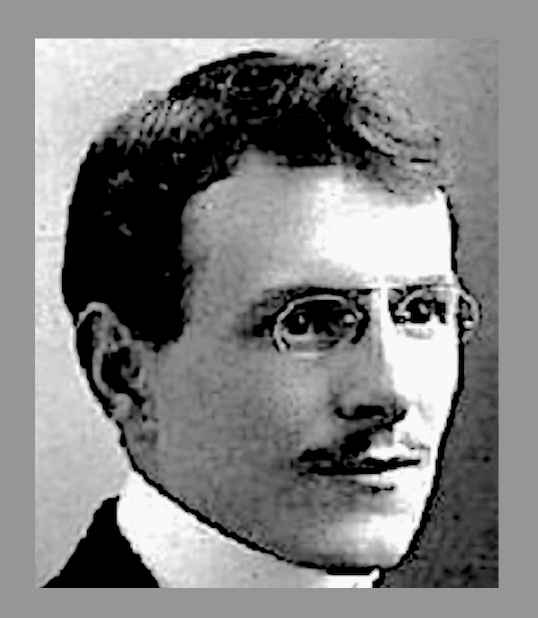
There are no actual photographs of George Taylor.
Above is an AI-generated image of him based on facts known about his life.
George Taylor was born in 1745, in Grange, Banffshire, to William and Helen Taylor. George came of age during one of the most turbulent, yet transformative periods in Scotch whisky history, and unfortunately, few records were kept that regard his early life. At the age of 25, however, Taylor married his second cousin, Mary Taylor, on 18 December 1770, in Grange, Banffshire. They ultimately had a large family, reportedly parenting 13 children.
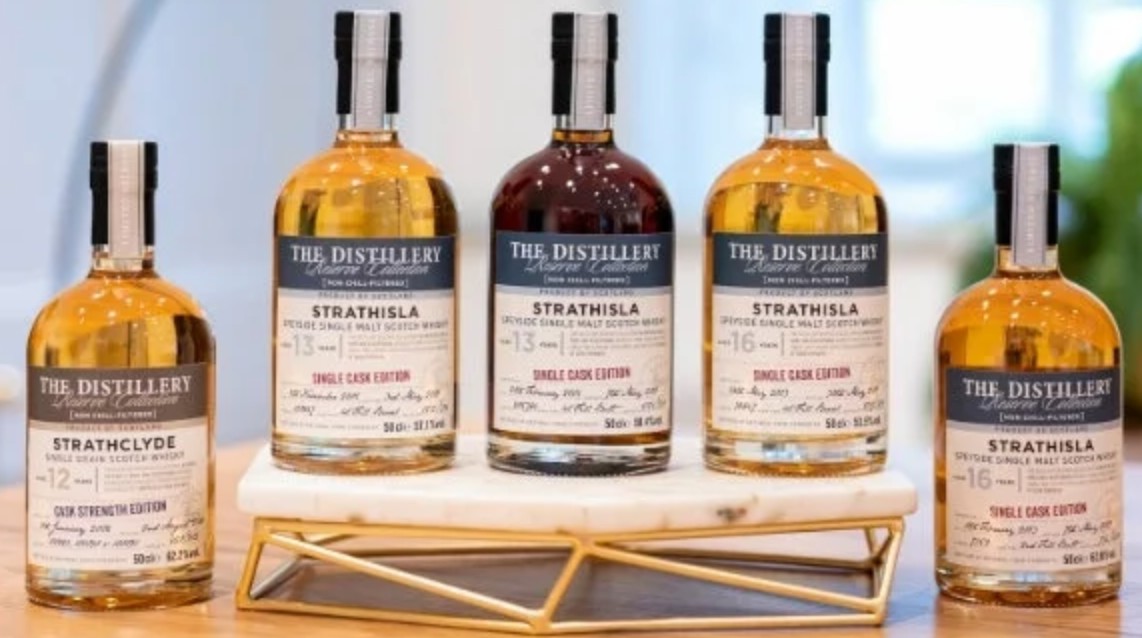
Meanwhile, in 1786, what later became Strathisla Distillery began life as the Milltown Distillery, founded by George Taylor and Alexander Milne near Keith, Banffshire. At the time, legal distilling was still relatively uncommon, and the Excise Act reforms that would later normalize licensed whisky production had not yet been fully adopted by the government, let alone by whiskey makers. Nevertheless, Taylor and Milne established the distillery near the River Isla, taking advantage of the local water supply and the agricultural economy surrounding Keith.
At the time, Banffshire itself was undergoing substantial agricultural and commercial change. In the late eighteenth century, whisky production was still deeply tied to farming, and many early distillers were simultaneously merchants, landholders, or grain dealers. All the while, improvements in transport, grain cultivation, and trade created new opportunities for whisky makers. Distilling had begun to move away from purely illicit rural production toward larger legal and more profitable enterprises capable of serving expanding urban markets. Men like Milne and Taylor occupied the frontier between those worlds as local businessmen willing to invest in formalized whisky production.
Once completed in 1788, the Milltown Distillery quickly established itself as a serious operation. Unlike many small rural stills that ran for a short time then disappeared within a few years, Taylor and his partner created a business with staying power. The distillery benefited from its location near Keith, which would later become one of Speyside’s most important whisky centers. During this period, distilleries often changed hands, expanded incrementally, or struggled mightily under shifting tax regimes, but Milltown survived relatively unchanged into the nineteenth century.
The new era brought both opportunity and instability as demand for Scotch whisky increased dramatically during the first decade of that century, especially after improvements in blending techniques and transportation. Railways transformed the whisky trade, allowing distilleries in remote parts of Scotland to distribute spirit far more efficiently. At the same time, however, the industry remained prone to devastating financial crashes based in overproduction, speculative investment, and economic downturns that repeatedly destroyed firms which had once appeared secure.
Unfortunately, George Taylor died in 1807, in Banffshire, at the age of only 62, just as Milltown was at its peak operationally. Despite the loss, the distillery evolved steadily during the rest of the 1800s, eventually becoming one of the defining sites of Speyside whisky production. Its spirit gained a reputation for richness and balance, qualities that later made it essential to the blended Scotch whiskies that made many of the industry leaders famous.
The lack of a surviving historical record on Taylor’s education or early employment prior to distilling is not unusual for eighteenth-century Scottish businessmen outside aristocratic or political circles unless they attended universities or held public office. What can be inferred is that unquestionably, Taylor possessed substantial commercial competence. Founding and maintaining a legal distillery required access to capital, grain supply networks, excise compliance, and distribution channels. None of these were casual undertakings, particularly for an independent distillery in that era.
After Milne died in 1830, the distillery’s name was altered slightly to Milton Distillery by new owner William Longmore, Ltd. Milton whisky eventually became one of the foundations of Longmore’s portfolio of whiskies. In 1870, The name was changed to Strathisla, but the distillery was damaged extensively due to a fire in 1876, and then an explosion in the malt house occurred in 1879. In 1890, the facility was rebuilt and modernized, and the name was changed back to Milton Distillery, which it was known as for the next 50 years. Jay Pomeroy, an English financier, acquired the William Longmore Company in 1940. However, the British government later convicted Pomeroy of fraud and tax evasion and seized the distillery, auctioning it off in 1950. Chivas Brothers, who had been acquired by Seagram the year before, was the successful bidder. The name was changed back to Strathisla in 1951, and it has been known by that name ever since.
So Strathisla endured while countless other distilleries disappeared. Fires, bankruptcies, changing ownership structures, and industry consolidations destroyed many eighteenth-century whisky operations, but the distillery that George Taylor established survived into the modern era. Its distinctive twin pagodas eventually became among the most recognizable architectural features in Scotch whisky.
Taylor’s era represented a foundational chapter in Scotch whisky history. He belonged to the generation that moved whiskey distilling from fragile local enterprise toward durable commercial industry. Early distillers like Taylor operated without modern marketing, tourism, or multinational ownership structures. Their work depended on agricultural cycles, regional trade, and survival through repeated economic uncertainty. The fact that Strathisla remained standing centuries later speaks to the strength of the foundation established in those early years; a foundation that was set firmly by the hard work, determination, and competence of George Taylor.
Sources:
Chivas Brothers, “Strathisla History”, chivas.com
Undiscovered Scotland, “Strathisla Distillery”, www.undiscoveredscotland.co.uk”
Whisky.com, “Strathisla Distillery””
Ancestry.com (genealogy), “George Taylor”
FamilySearch.org (genealogy), “George Taylor”
Historic Environment Scotland, “Strathisla Distillery”, historicenvironment.scot
Contributed by Tracy McLemore, Fairview, Tennessee USA