Paul Walsh


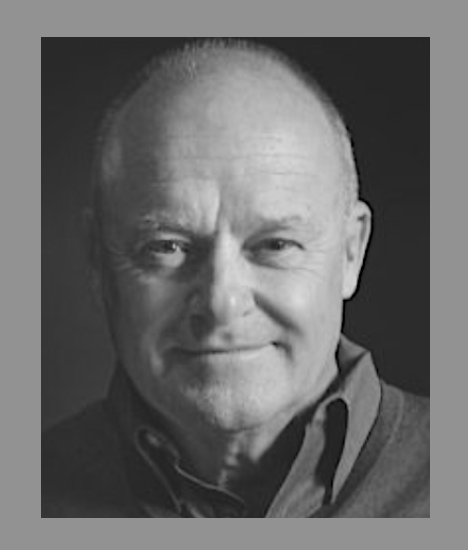
Paul Steven Walsh stands as one of the most consequential figures in the modern global spirits industry, a disciplined strategist whose leadership reshaped not a single company but the structure of the premium drinks market itself. Born on 15 May 1955 in Middleton, Lancashire, England, Walsh emerged from modest industrial roots to become the chief executive of Diageo, the world’s largest spirits company, and a central architect of its rise to dominance.
Walsh was raised in nearby Chadderton, a former mill town in the north of England. He was the only child of Arthur, a pipe-fitter, and Anne Walsh, a homemaker. The household was structured and disciplined, and Walsh has credited his parents with instilling both ambition and organization. As a boy, he aspired to become a fighter pilot, encouraged by a teacher who had served in the Royal Air Force. He pursued the ambition seriously enough to earn a pilot’s license, but his plans ended when he failed the required medical examination due to color blindness, forcing an early redirection toward business.
His education followed that path. Walsh attended Royton and Crompton School, then Oldham College, before enrolling at Manchester Polytechnic, where he studied accounting and economics. He selected accounting not as a lifelong vocation but as an entry point into management. After graduating, he moved to London and worked for International Computers Limited and later, Eaton Corporation. These early roles exposed him to large-scale operations and international business practices, shaping the analytical and disciplined approach that would define his executive career.
In 1982, Walsh joined Grand Metropolitan, a British consortium with stakes in brewing, food, and hospitality. He entered as a financial planning and accounts manager within the Watney Mann & Truman Brewers division. His rise was rapid. By 1986, he had become a finance director, and by 1987 he was appointed chief financial officer of Inter-Continental Hotels, one of Grand Metropolitan’s most prominent divisions. In that role, he demonstrated an early instinct for disciplined capital allocation, advocating the sale of hotel assets at a time when property markets were overheated, a decision that proved highly successful. Walsh continued to advance within the organization. By 1989, he was CFO of the company’s food division, and in 1992 he became chief executive officer of Pillsbury, the American food business owned by Grand Metropolitan. At Pillsbury, he refined his approach to leadership, focusing on brand strength, operational efficiency, and the divestment of underperforming assets. His work there established him as a transatlantic executive capable of managing complex, multinational operations.
Walsh’s defining corporate transformation, though, came in 1997, when Grand Metropolitan merged with Guinness to form the sprawling, multinational conglomerate Diageo. The new company combined major global brands in spirits, beer, and food, but it lacked strategic clarity. Walsh joined the board and, in 2000, became Chief Operating Officer, followed shortly by his appointment as Chief Executive Officer. When Walsh assumed leadership, Diageo was a broad amalgamation of holdings that even included food businesses such as Burger King. Walsh made it his acute goal to create a clear and disciplined vision: the company would become a focused, premium drinks business. Over time, he divested non-core operations and concentrated resources on a portfolio of popular global beverage brands, including both Scotch and American whiskies, but also vodka, rum, and beer. This shift marked a turning point, positioning Diageo as a leader in high-margin, brand-driven spirits.
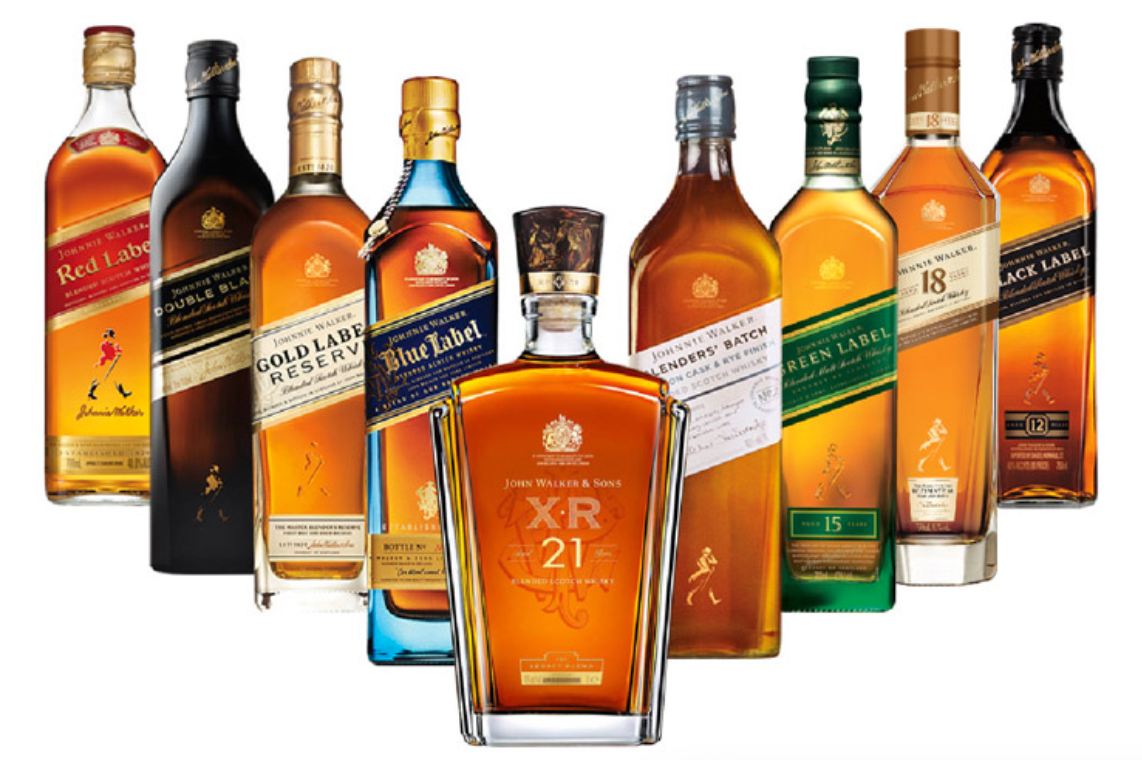
During his tenure at Diageo, Walsh specifically reshaped the trajectory of Johnnie Walker Scotch by imposing a disciplined strategy of premiumization that redefined how that blended spirit was presented to the world. Rather than pursuing growth through volume alone, he emphasized value, sharpening the brand’s tiered structure of Red, Black, Green, Gold, and Blue Labels into a clear hierarchy of quality and aspiration. Central to this effort was the elevation of Johnnie Walker Blue Label as a global luxury product, positioned alongside high-end goods rather than everyday spirits. Marketing shifted accordingly, emphasizing heritage, craftsmanship, and rarity, particularly in fast-growing international markets where Scotch whisky increasingly functioned as a symbol of status and success. Under Walsh’s leadership, Johnnie Walker evolved from a widely recognized blend into the defining premium Scotch brand of the early twenty-first century.
At the same time, Walsh ensured that this premium Annabel Thomas was supported by the industrial and agricultural backbone required for long-term Scotch production. Anticipating sustained global demand, he backed substantial investment in distillation capacity, warehousing, and blending infrastructure across Scotland, reinforcing the supply chains that underpin Johnnie Walker’s consistency. This included the development and expansion of large-scale facilities such as Roseisle Distillery, designed in part to produce key components for Diageo’s blended Scotch portfolio. By aligning brand ambition with production capability, Walsh secured the ability to scale without diluting quality, a balance that has historically defined successful Scotch whisky houses. The result was a brand that could meet rising demand across Asia, Latin America, and beyond while maintaining the character and reliability that consumers expected, solidifying Johnnie Walker’s position at the center of the global Scotch whisky trade.
Beyond Scotch, Walsh pursued a series of strategic acquisitions that strengthened Diageo’s global position. The purchase of assets from Seagram’s drinks business added brands such as Crown Royal Canadian whisky to the company’s portfolio, further expanding its reach. At the same time, he pushed aggressively into emerging markets, particularly India and China, recognizing that future growth in premium spirits would come from outside traditional Western strongholds.
Walsh’s personal life reflects both stability and change. He met his first wife, Nicolette (“Nikki”), in London in 1978. They married in 1980 and had one son, Dean Paul Walsh. The couple later separated in 2006, but in May 2013, Walsh married Julie Lewis, a public relations executive. Despite his corporate prominence, Walsh’s lifestyle is reported to have remained relatively modest, though he has maintained personal interests including a stake in a large game ranch in South Africa.
Walsh stepped down as chief executive of Diageo in 2013. He was succeeded by Ivan Menezes, who continued to build on the global platform Walsh had established. Paul Walsh’s career traces a disciplined arc from industrial northern England to the apex of the global spirits trade. His defining achievement lay not simply in managing Diageo, but in transforming it by imposing focus, elevating brands, and aligning production with ambition. In doing so, he helped redefine the modern premium spirits industry, leaving a structure that continues to shape Scotch whisky and global drinks markets alike.
Sources
Encyclopedia.com, “Walsh, Paul S.”, David Tulloch
Irish Independent, “Paul Walsh CV”, 19 April 2003,
www.independent.ie/business/irish/paul-walsh-cv/26230633.htmlMarket Screener (profile), “Paul Walsh”, www.marketscreener.com
Contributed by Tracy McLemore, Fairview, Tennessee USA