William Wemyss

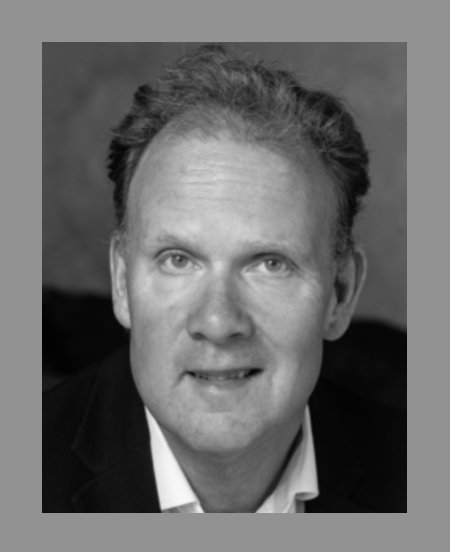
William Wemyss was born in October 1970, a modern member of a very old Fife name. William was raised inside a family group that earned its living in more than one way, but that had stayed rooted to the same coastline for centuries. The family’s seat, Wemyss Castle, has long been part of the clan’s identity, and in William’s lifetime the “Wemyss” brand meant a portfolio: property, rural enterprise, wine, and agriculture. All of them are important, but in a whisky country, agriculture is king. However, there was no deep family tradition of distillation, with one notable historic proximity: Cameronbridge Distillery was built on family land in the early 19th century, and in later generations William’s father and grandfather grew barley and grain for local distillers. That farming inheritance would eventually be pulled forward into the Kingsbarns story, because Kingsbarns would later use estate-grown barley as part of its identity: a whisky project that could claim not just a postcode, but an agricultural base.
Before he put his name on bottles, William’s working life leaned into another branch of the family’s business: wine. The Wemyss family owned vineyards; one in Provence (Rimauresq) and another in Western Australia, and it was there that William spent time selling and marketing those family wines. That experience left him with a consumer-facing instinct: wine succeeds when you explain it in ways people can actually use, and when you invite them into the story rather than bury them in technical language.
In 2005, he turned that instinct back toward Scotland and founded Wemyss Malts, an independent bottling and blending business. It was a deliberate attempt to make Scotch feel less like an exam and more like an invitation. He later described one of the sparks as a kind of recurring question he often got from France: Why would a Scottish family own a French vineyard, yet not have any scotch in its portfolio?
It is important to note that from the beginning, Weymss’ spirit story was not a solo act. One of the most important people in the venture is Isabella Wemyss, William’s sister. Their partnership is unusually well-matched. William leaned toward the outward-facing side: brand, markets, the long work of persuading distributors and drinkers. Isabella became the person responsible for what the liquid would become. Her own route into flavor was not romantic; it was trained. She entered the family business through their tea production work, receiving what she calls her first organoleptic training as a tea taster by learning, in effect, how to translate aroma and taste into decisions. Isabella ran the family tea estate in Kenya and later trained as a tea buyer, then brought those skills into whisky, including formal study for brewing and distilling qualifications.
In those early Wemyss Malts years, the siblings built capability the slow way: selecting casks, blending, bottling, and, crucially, selling. They were learning the industry from inside the supply chain, and there, William found allies who treated the business with an older, handshake logic. He has credited figures such as Leonard “Lenny” Russell and operations director Gordon Doctor at Ian Macleod Distillers with helping him early on, including the practical lesson that long-term whisky relationships do not always begin with thick contracts.
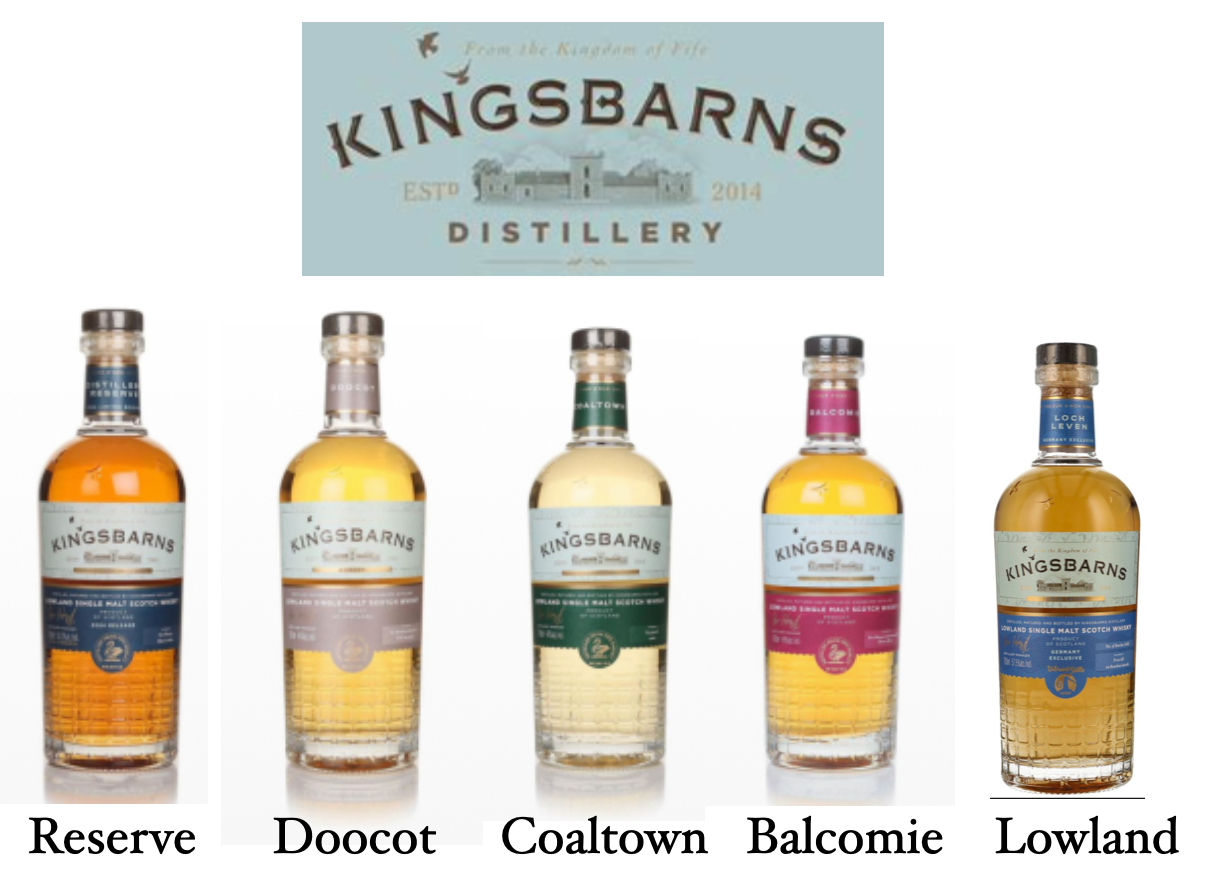
That mix of ambition and apprenticeship was tested when an email arrived in 2012 that changed the scale of what the family spirits business might be. The message regarded a “distillery opportunity,” tied to an idea that had been circulating for several years: a new single malt distillery near Kingsbarns Golf Links, close to St Andrews, aimed at visitors who came for golf and wanted to experience Scotland’s other export without driving several hours. The proposal came from Douglas Clement, who had been involved with the concept from 2009 and argued that the East Neuk and St Andrews needed a local distillery story to match the tourist traffic. Soon discussions began, and by early 2013, William became principal investor, taking ownership and turning a regional idea into a financed build. The site was on the Cambo Estate near St Andrews, and by mid-2014, the build was public enough to warrant “topping-out” photos of a roof completed, timelines set, and a clear target: opening on St Andrew’s Day (30 November).
When Kingsbarns finally launched its first official whisky, appropriately named Dream to Dram, it was more than a label; it was proof that the plan had worked. The release, introduced publicly in 2019, was built largely on first-fill ex-bourbon casks and a smaller portion of STR-treated wine barriques, reflecting the team’s effort to shape maturity early while the distillery’s older stock continued to sleep. At launch, Isabella was in charge of maturation and blending, while William handled sales and marketing, an explicit division of labor that matched how the siblings had operated since 2005.
William’s route into whisky ran through agriculture and wine, through the pragmatism of selling, and through building a spirits business before building a distillery. Kingsbarns, in that sense, is not a sudden passion project. It is the logical endpoint of a decade spent learning how flavor, casks, and customers all fit together, then deciding, at the right moment, to take on the part of the process you can’t outsource—the wait.
Sources:
UK Companies House, listing “Kingsbarns”
ScotchWhisky.com, “Five Minutes With… William Wemyss, Kingsbarns”, 11 February 2019
Kingsbarns Distillery official website, “Building a Single Malt Distillery…”, 6 October 2021
WhiskyCast, “Kingsbarns Distillery Construction…”, 17 July 2014, whiskycast.com
Kingsbarns Distillery official website, “Isabella Wemyss: Whisky Blender to a T”, www.kingsbarnsdistillery.com
Master of Malt blog, “From Dream to Dram: Kingsbarns’ first whisky”, 31 January 2019
Whisky.com database page, “Kingsbarns Distillery”, www.whisky.com
The Whisky Wire, “Whisky Insiders Interview: William Wemyss”, 4 October 2013, thewhiskywire.com
Contributed by Tracy McLemore, Fairview, Tennessee USA