David Boyd

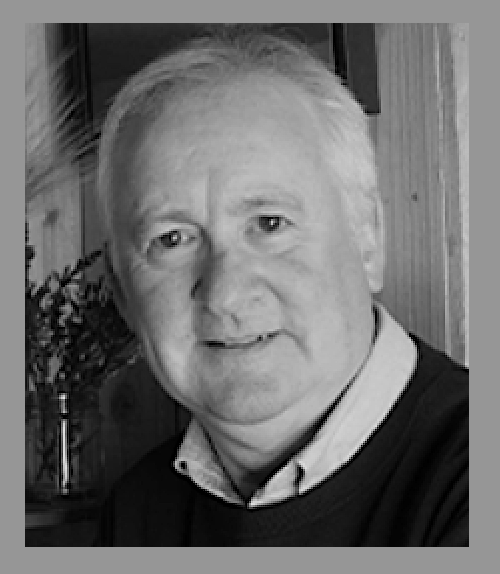
David Boyd was born around 1963 in Ayrshire, Scotland, and raised there until he started working in the early 1980s at White Heather Distillers as a blending analyst. At White Heather, Boyd was schooled in the dark and mysterious art of whisky production. After several years of grueling training in whisky stock management, blending, distillation planning and wood management, he was appointed Chief Blender at the renamed Campbell Distillers, and made responsible for the Clan Campbell, White Heather and House of Lords blends.
Then, in 2002 Pernod Ricard acquired part of the Seagram spirits business. David was appointed Deputy Production Director for a portfolio which included Chivas Regal, Royal Salute, and 100 Pipers, as well as The Glenlivet and Glen Grant Single Malts. By 2005, Boyd was responsible for blends at 13 distilleries and casks that were slowly maturing in over 200 warehouses. Boyd’s reputation inside the trade rested on technical skill, palate development, and the ability to construct whiskies that balanced consistency with depth.
During that time, his most famous achievement came through his association with Aberlour A’bunadh, one of the defining cask-strength Scotch whiskies of the modern era. Chivas Brothers marketing executive Paul Hicks developed the concept for a whisky inspired by older Speyside traditions, but it was David Boyd who created the actual recipe and blending structure that became A’bunadh. The whisky stood apart from all Scotch releases of its day; Matured in oloroso sherry casks and bottled at cask strength, A’bunadh delivered a thick, muscular stylethat greatly appealed to advanced whisky drinkers. Boyd’s work on the release demonstrated an understanding of historical whisky character at a time when many blends and single malts were moving toward lighter and more standardized profiles. In the end, the success of A’bunadh became one of the major whisky stories of its generation, developing a devoted following worldwide and helping to normalize cask-strength single malts in the broader premium whisky market. Long before limited-edition whisky releases became routine, time and again, Boyd’s blending work proved that consumers would enthusiastically support robust, flavor-driven Scotch whiskies rooted in traditionalmethods.
Boyd’s career continued to unfold during a period of enormous structural change within the Scotch whisky business. Ownership of major distilling companies shifted repeatedly as international beverage conglomerates consolidated the industry. Closer to home, Chivas Brothers itself passed through several important corporate phases, including ownership under Seagram and later, Pernod Ricard. Those changes affected nearly every major distillery in the Chivas portfolio. Some historic distilleries were mothballed, while others expanded, reopened, modernized, or rebuilt entirely. Boyd worked within an environment where it was imperative that Master Blenders maintained consistency across enormous inventories of whisky, while continually adapting to ever-changing production capacities and global demand.
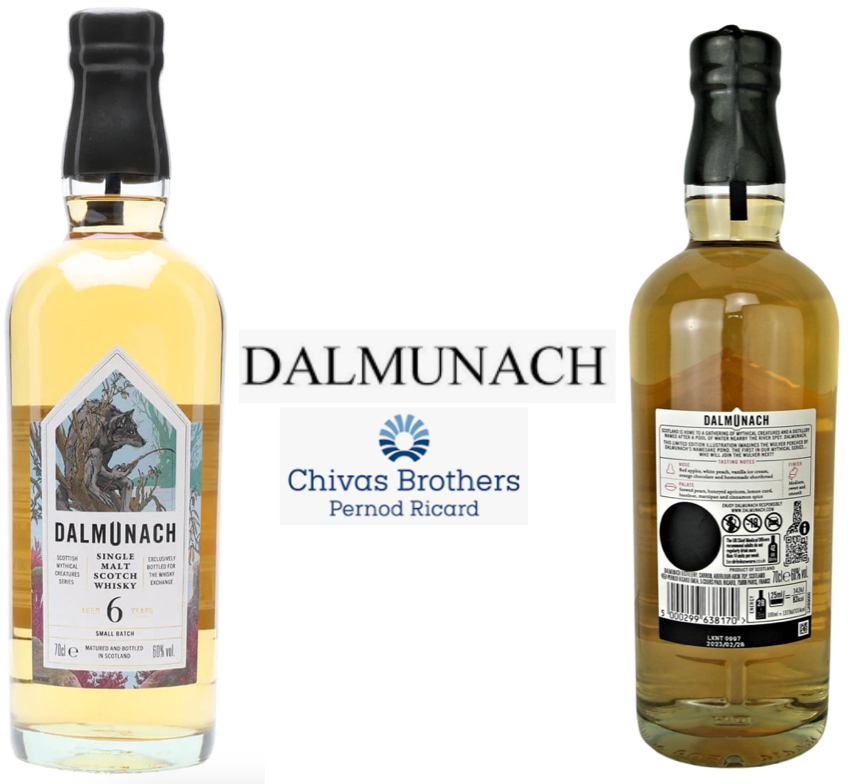
That broader industrial evolution eventually led to the construction of Dalmunach Distillery in Speyside. Opened in 2015 by Chivas Brothers, Dalmunach rose on the historic Carron site of the old Imperial Distillery. The new facility represented a major investment in the future of blended Scotch whisky production by Chivas Brothers and Pernod Ricard. From the beginning, Dalmunach was designed as a modern, highly efficient distillery capable of producing millionsof liters of spirit annually to be used in nearly all Chivas blends.
Boyd’s association with the broader Chivas system placed him within the same lineage of whisky-making that fed Dalmunach, as well as Glenlivet, Longmorn, Glenburgie, Miltonduff, and Glentauchers. Those sites collectively formed the backbone of Chivas Regal and Ballantine’s blends, and master blenders like Boyd played a central role in determining how their individual malt characteristics interacted within large-scale commercial whisky production. Yet the scale of those operations often obscured the importance of the blender’s role. While distillery managers oversaw fermentation, distillation, and maturation at individual sites, blenders such as Boyd determined how whiskies from dozens of warehouses and multiple distilleries ultimately came together. Their decisions shaped the flavor identities consumed by millions of people around the world. Yet unlike some whisky executives who cultivated public profiles through books, interviews, or brand ambassadorships, Boyd remained largely behind the scenes. That relative anonymity reflected an older tradition within Scotch whisky production where technicalpersonnel often viewed themselves as custodians of the spirit rather than personalities attached to it. But even in his attempts to remain relatively anonymous, whisky enthusiasts came to recognize David Boyd’s flavor influences through the products themselves.
David Boyd retired from Chivas/Pernod Ricard in 2018 with over 40 years in the spirits business. His work helped define the flavor of important Chivas-era releases and contributed to the broader revival of full-bodied, traditional-style single malt whisky at a pivotal moment in modern Scotch history. Following his retirement, he utilized his extensive industry experience to launch the Eorna Oir whisky series. For this project, he personally selected rare, highly-specific whiskies from his own private cask collection to illustrate his "Lifetime in Whisky.” Boyd also remains active as an independent Master Blender, guest speaker, and educator. He regularly hosts regional club events, distillery talks, and tasting masterclasses that allow him to pass on his 40-odd years of blending knowledge.
Sources:
Whisky and Wisdom, “Glenfarclas 105 versus Aberlour a’Bunadh”, 10 November 2019, AD (author), whiskyandwisdom.com
Scotch Malt Whisky Society Unfiltered Magazine, “Sampling the Old and New in Speyside”, 9 February 2018, static1.squarespace.com
Contributed by Tracy McLemore, Fairview, Tennessee USA