Neal McGeoch

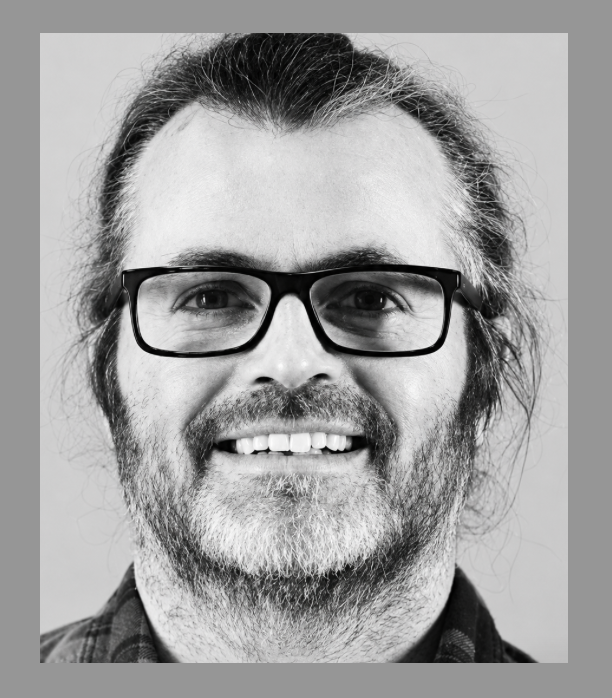
Neil McGeoch emerged as one of the more unconventional figures in modern Scotch whisky during the early twenty-first century. Unlike many distillery founders who rose through generations of whisky-making or corporate drinks management, McGeoch came into Scotch through farming, retail business experience and a practical need to reinvent a struggling agricultural property. At Lochlea Distillery in Ayrshire, Scotland, he transformed a cattle farm tied to the legacy of Robert Burns into one of the most closely watched independent distilleries in the Lowlands.
McGeoch came from the Scottish retail family behind the clothing business M&Co., formerly known as Mackays. Industry accounts and corporate references identify him as having worked within the family clothing business before fully committing himself to farming and, eventually, whisky production. But in fact, the McGeoch family’s connection to Scottish retail stretched back generations.
In 2006, Neil and his wife, Jen McGeoch, acquired Lochlea Farm in Ayrshire, near Tarbolton. The property already possessed deep historical resonance. Between 1777 and 1784, Robert Burns had livedandworked on the farm during his formative years. Burns and his father cultivated the land there, and many historians believe the experience profoundly shaped both his politics and poetry. Long before whisky tourists arrived at Lochlea, then, the site already held an important place in Scottish cultural memory.
When the McGeochs took over the property, Lochlea operated primarily as a working farm. The couple initially focused on raising pedigree beef cattle. The farm covered roughly 222 acres, and for several years cattle farming remained its economic foundation. Yet the realities of modern agriculture soon forced difficultquestions. A farm of Lochlea’s size faced mounting economic pressure, and maintaining profitability through livestock alone proved increasingly difficult. Neil McGeoch later explained that the future viability of the farm demanded a different approach. Rather than abandoning agriculture, he began looking for ways to build upon it. Barley had historically been grown on parts of the land as feed for cattle, but in 2015 the McGeochs experimented by planting approximately fifty acres of malting barley. That relatively modest agricultural test became the foundation for a much larger ambition.
McGeoch began considering whether Lochlea could become not simply a farm that produced barley, but a distillery that controlled the entire whisky-making process from field to bottle. The idea aligned with broader trends emerging in Scotch whisky at the time. Drinkers increasingly valued traceability, authenticity and independently owned producers. Lochlea possessed severaladvantages: fertile farmland, historical significance, access to water and buildings that could potentially be repurposed. But the transition from cattle farm to distillery required both substantial investment and patience. Planning permission was secured in 2014, and construction work accelerated over the following years. Existing farm structures were converted rather than replaced outright. Former piggery buildings became part of the distillery complex, while old cattle sheds were transformed into bonded warehouses for whiskymaturation. Construction formally began in 2017, and Lochlea Distillery was commissioned in 2018 after approximately £6 million had been invested in the project. The operation remained deliberately independent and family-owned. McGeoch did not attempt to build a massive industrial facility. Instead, Lochlea focused on relatively small-scale production, emphasizing complete control over raw materials and distillation.
That philosophy became central to Lochlea’s identity. Unlike many Scotch distilleries that purchase barley from multiple external sources, Lochlea grows all of its own barley directly on the farm surrounding the distillery. McGeoch’s agricultural background shaped the project at every stage. The whisky was designed not merely as a branded spirit, but as an agriculturalproduct rooted in a specific piece of land.
The distillery’s early development also reflected McGeoch’s willingness to seek experiencedguidance. Industry veteran Malcolm Rennie became heavily involved during the planning and commissioning stages. Rennie had previously worked with major Scotch whisky operations including Bruichladdich, Ardbeg and Kilchoman. His technical expertise helped guide Lochlea from concept into functioningdistillery.
Under McGeoch’s leadership, Lochlea developed a production style centered on fruit-forward Lowland single malt whisky. Long fermentation periods, carefully selected yeast strains and relatively narrow spirit cuts helped shape the distillery’s character. The operation remained small compared to major Scotch producers, with an annual production capacity of roughly 200,000 liters of pure alcohol.
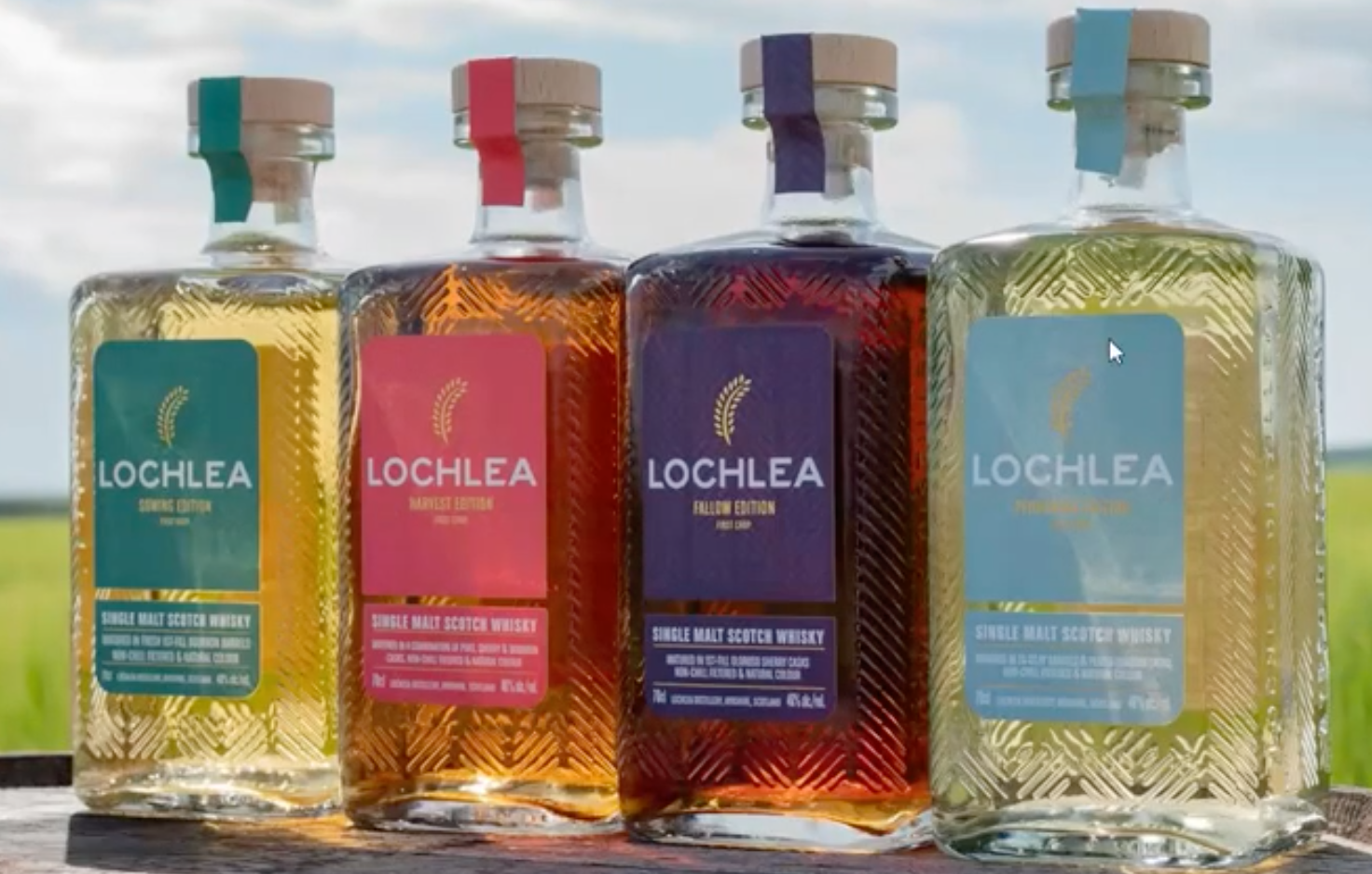
The distillery’s first spirit ran from the stills in 2018. Like all new Scotch distilleries, Lochlea then faced the difficult waiting period required for maturation. Scotch whisky legally must age for a minimum of three years before release, and new distilleries often spend those early years operating largely in the red and outside public attention. Finally, Lochlea emerged more visibly in 2021 and 2022 with the release of its inaugural whisky bottlings. The early releases drew attention not only because of the quality of the spirit, but because of the story surrounding the distillery itself. Few modern Scotch distilleries could claim such a direct connection to Robert Burns, Scotland’s national poet.
The company steadily expanded its range through seasonal releases,cask strength bottlings and eventually a permanent core range. International recognition followed. In 2023, Lochlea received the International Trade Business of the Year award from the Ayrshire Chamber of Commerce, evidence that the distillery had rapidly evolved from ambitious farm project into a serious export business.
Throughout the distillery’s rise, Jen McGeoch also played an important role in shaping Lochlea’s identity. Company profiles describe her involvement in designing the visitor experience and contributing to the creativedirection of the brand. She helped transform old agricultural buildings into spaces where guests could experience the whisky while still feeling connected to the farm itself.
Although Lochlea became increasingly well known within the whisky industry, Neil McGeoch himself largely avoided the celebrity profile embraced by some other modern distillery founders. Interviews and public appearances tended to focus less on personal mythology and more on farming, barley and long-term stewardship of the land. That grounded approach ultimately defined Lochlea. The distillery was not created by a multinational drinkscorporation searching for marketing opportunities. It grew from a farmer’s attempt to preserve the future of a historic property. McGeoch recognized that Lochlea Farm needed reinvention, but he chose a reinvention deeply tied to the agricultural history already embedded in the land. In doing so, Neil McGeoch helped create one of the most distinctive independent distilleries of modern Scotland: a Lowland whisky operation where farming and distilling remain inseparable, and where the grain used in the spirit can still be traced directly to the fields surrounding the stillhouse.
Sources:
Lochlea Distillery official website, “Our People” | “Our Story,”lochleadistillery.com
Whisky Magazine | Issue 176, “Lochlea Distillery Comes Out of the Shadows”, Millie Milliken, 09 Jun 2021
Whisky.com, “Lochlea Distillery”, whisky.com
Whisky for Everyone, “Lochlea Distillery”, whiskyforeveryone.com
Whisky Flight, “Lochlea Distillery”, whisky-flight.com
Rare Whisky 101, “Lochlea Distillery”, rarewhisky101.com
Malted Blog, “Lochlea Our Barley”, Dave (author), 25, August 2023
Contributed by Tracy McLemore, Fairview, Tennessee USA