
Craft Whiskey Founders
Desert States Region
The Desert States Region includes the States of: Arizona and Nevada
Below are links to Whiskey Founders that have made huge contributions to the growth of the Desert States Whiskey and Western Whiskey Industry as a whole. These may have been historical figures that lived long ago before prohibition or may be living leaders that have advanced the cause and craft of the industry. Craft Whiskey has now been its own whiskey category for years.
(NOTE: FOUNDERS ARE LISTED IN ALPHABETICAL ORDER)
1

Tom Adams
Seven Troughs Distillery
Tom Adams was not merely attaching Nevada names to conventional spirits, but constructing the products from regional ingredients and historical methods. The Seven Troughs process deliberately rejected many industrial efficiencies, including grain fermented in open wooden hogsheads.
2
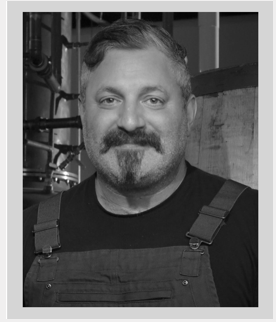
Aaron Chepenik
Smoke Wagon
When his whiskey was ready in 2015, Chepenik named it “Smoke Wagon,” after a 1873 Colt single-action revolver. The name carried a flint of frontier swagger; the bottle, with its raised sagebrush and crossed revolvers over the state outline, completed the statemen
3
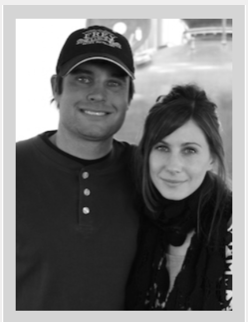
Colby & Ashley Frey
Frey Ranch Distillery
In the spring of 2006, long before “grain-to-glass” became a chorus line in American whiskey, the Freys secured their license to distill and formally founded Frey Ranch Distillery on the family farm outside Fallon, Nevada. Their goal was to prove that high-desert grains could sing in a bottle
4

Jason Grossmiller
Arizona Distilling Co.
Jason Grossmiller purchased a small still and began experimenting in a backyard setting. These first efforts were practical, iterative, and self-directed, but soon, the combination of independent experimentation provided the technical foundation he needed to get Arizona Distilling Company off the ground.
5
Jim Matz
Wild Hare Distillery
Jim Matz assumed an especially important role once Wild Hare’s whiskey moved from development into regular production. Matz produced the spirit with particular attention to production requirements; once a recipe, consumer testing and labeling are completed, he handles production scheduling according to demand.
6

Renea McQuiggan
Carefree Spirits
Renea McQuiggan renamed Elysian Desert Distilleries as “Carefree Spirits Distillery” in 2021, aligning the corporate identity with its best-known bourbon and the Arizona community where it had developed. She also announced plans for a large destination complex containing a distillery, tasting room, and event space.
7
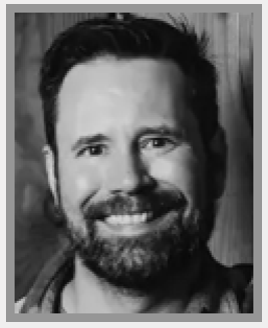
Joe O’Sullivan
Minden Mill Distillery
Joe O’Sullivan’s career now spans more than two decades, from whole-fruit fermentation in Oregon and consulting work in New York to stewardship of Steve McCarthy’s malts. He now directs a distillery capable of growing grain, malting barley, distilling several whiskey styles, and bottling the finished spirit on one estate.
8
John Patt
Desert Diamond Distilling
John Patt became a founding member of the Arizona Distillers Guild along with his wife. The Patts became involved in state legislative matters affecting small distillers, including the evolving rules governing direct sales, online commerce, festivals, and other privileges important to craft producers.
9
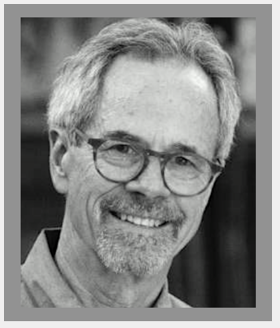
Stephen Paul
Whiskey Del Bac
In 2006, Stephen Paul was at home, cooking over mesquite wood scraps from their furniture shop and drinking Scotch whisky. When his wife posed a simple question: why not dry malted barley over mesquite instead of peat, as is done in Scotland? That question became the foundation of Hamilton Distillers.
10

John Peasley
Grand Canyon Distilling
In 2017, John Peasley finally added spirits production to his brewery, ten years after its original opening. Grand Canyon Brewing Company consequently became Grand Canyon Brewing + Distillery, producing grain-to-glass whiskey and bourbon, both of which were quickly embraced by drinkers as well as critics.
11
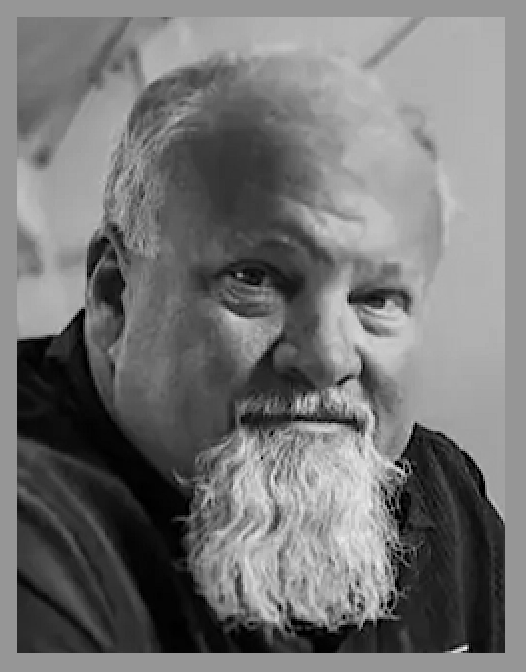
Russell Wedlake
Frey Ranch
Russell Wedlake and Colby Frey taste prospective single barrels blind, without knowing proof, age, or warehouse position, and choose by sensory quality rather than by a marketable number. Wedlake places particular weight on texture and finish, and approves a batch only when it feels silky across the palate.