

Stitzel-Weller
Whiskey Founders
(NOTE: FOUNDERS ARE LISTED IN ALPHABETICAL ORDER)
1
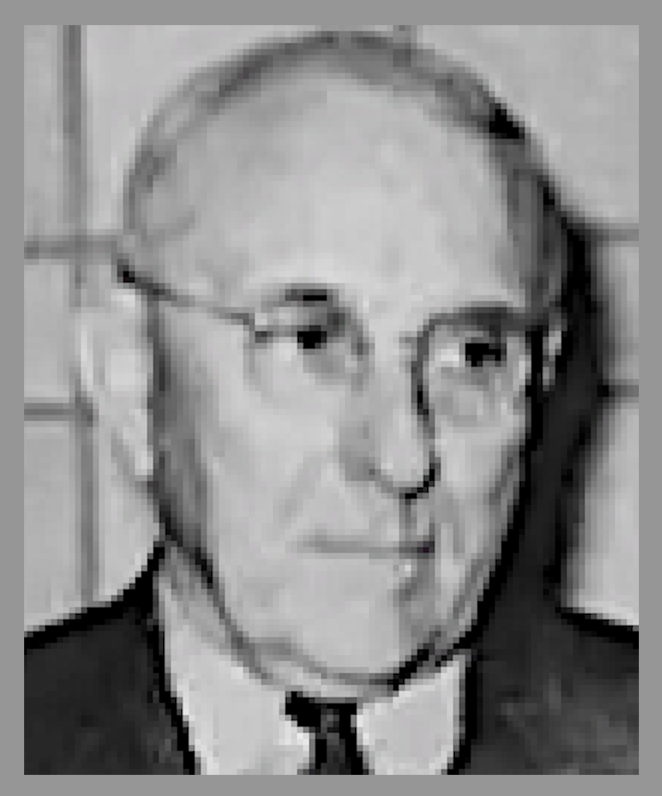
Alex T. Farnsley
Alex Farnsley entered the employ of W. L. Weller & Sons as a young man. There he met another ambitious salesman, Julian Proctor Van Winkle. The two men quickly developed both a professional relationship and a personal friendship that would endure for the remainder of Farnsley's life.
2
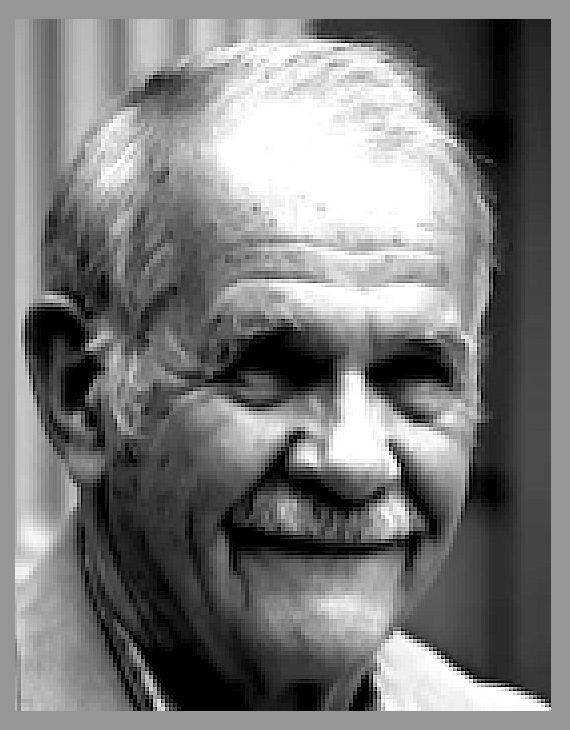
Edwin S. Foote
Ed Foote never sought to be famous, or acknowledged, or respected, or even recognized for his work. “Back then, there was no master distiller,” explains Foote. When I was working, the distiller stayed there and watched me. If you had the right crew, they were interested in the productand proud of it. It was a piece of cake”
3
Roy Hawes
In 1958, Roy Hawes assumed responsibility for the Stitzel-Weller Distillery. It has been suggested that he had effectively become Master Distiller earlier. Regardless of the precise date, by 1960, Hawes was directing production at Stitzel-Weller and would remain in that position until his retirement eleven years later.
4
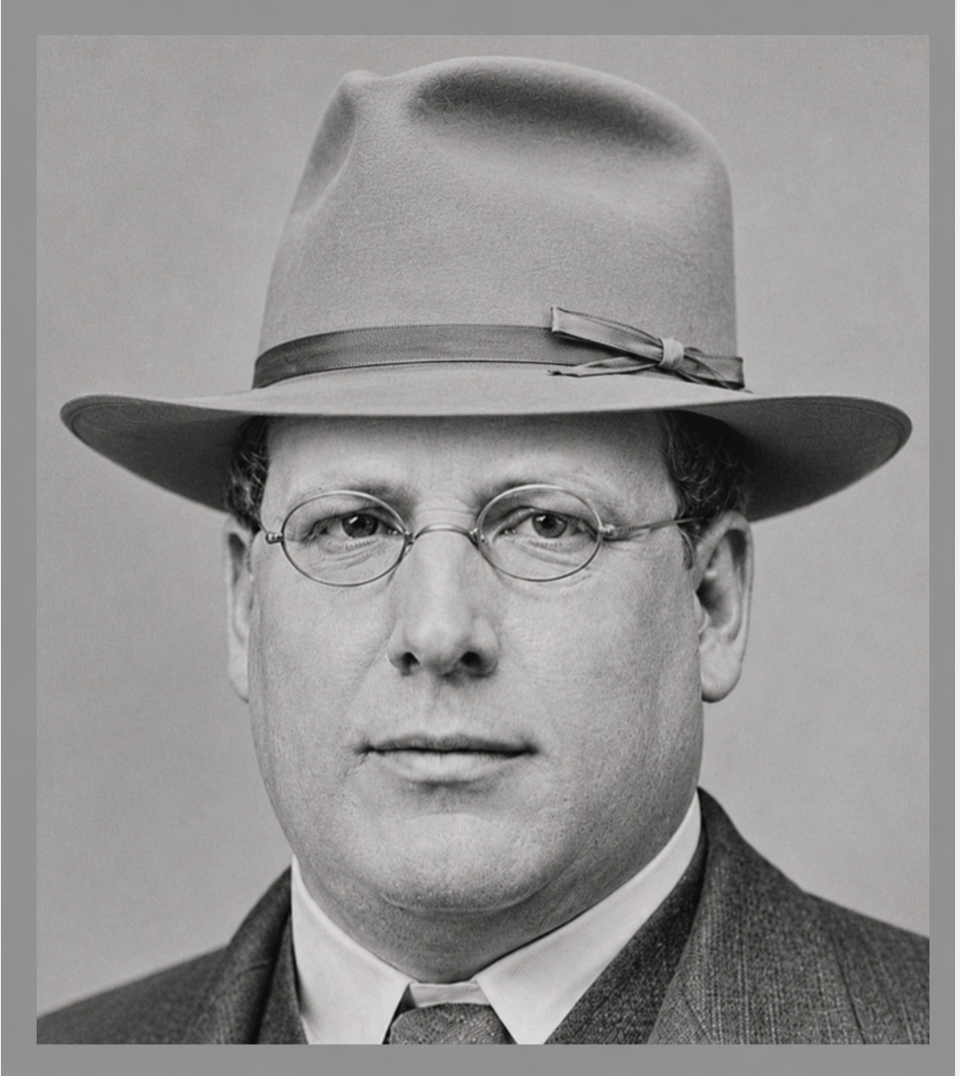
King McClure
King McClure’s talents were soon recognized by Pappy Van Winkle, but before long, the good-looking and industrious McClure also attracted the attention of Pappy’s daughter, Mary Chenault “Rip” VanWinkle. The two began to date in 1938, and the following year, Charles King McClure Jr., and Mary VanWinkle married.
5
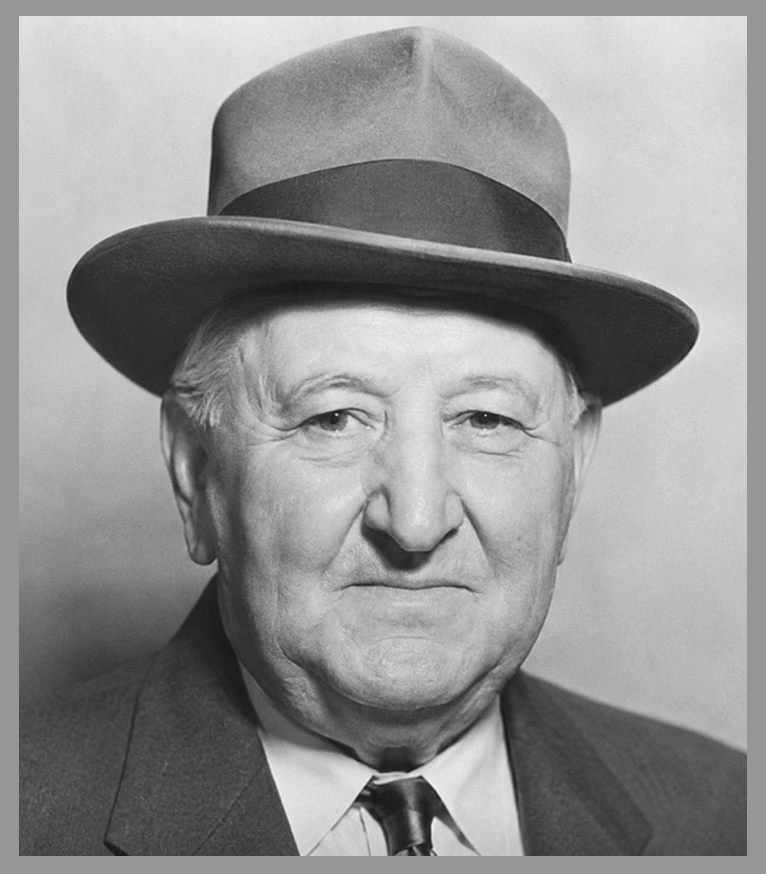
Will “Boss” McGill
Boss McGill had become one of Kentucky's elder statesmen of distillation, possessing knowledge accumulated through observation, repetition, and experience. Though he was by then nearly 70 years of age, that background made him an ideal choice for the ambitious new enterprise.
6
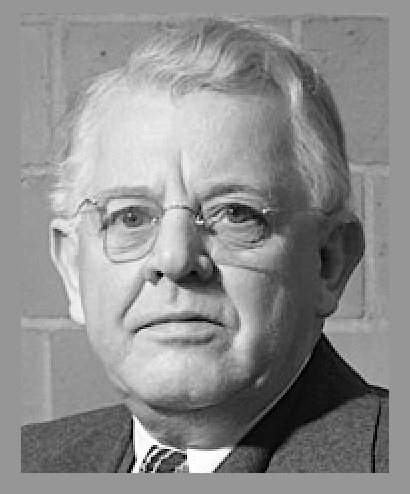
Arthur Phillip Stitzel
Arthur P. Stitzel expanded his business interests during the early twentieth century. In 1906, he became one of the incorporators of the Ryeland Distilling Company, joining other whiskey businessmen to establish another enterprise. His growing stature within Kentucky's distilling community continued unabated.
7
Frederick Stitzel
In 1879, Frederick Stitzel gained a patent for a tiered storage system that would allow air circulation around the barrel; this soon became the standard for most rickhouses in the United States. Before this, barrels were stacked directly on top of each other, which was very risky, inviting the possibility of many problems occurring.
8
Julian Van Winkle, Jr.
Julian Jr. became president of Stitzel-Weller in 1947, and under his leadership, the sales of products thrived. Junior ran the company until 1972, when he was forced by family co-owners to sell to Norton-Simon Company, who promptly renamed the operation ‘The Old Fitzgerald Distillery’. The company was then sold again to Distillers Corporation Limited, then again to Guinness, Ltd.
9
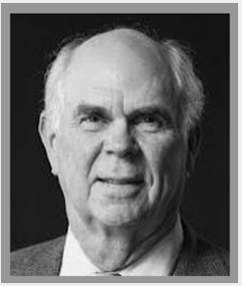
Julian Van Winkle III
In 1981, III decided to continue to operate the business on his own at the age of 32. He purchased a run-down building in an area of Louisville prone to flooding and continued to bottle Old Rip Van Winkle by hand. Unfortunately, In those days, bourbon sold well only if it came in a gimmicky decanter shaped like a dog or a football.
10
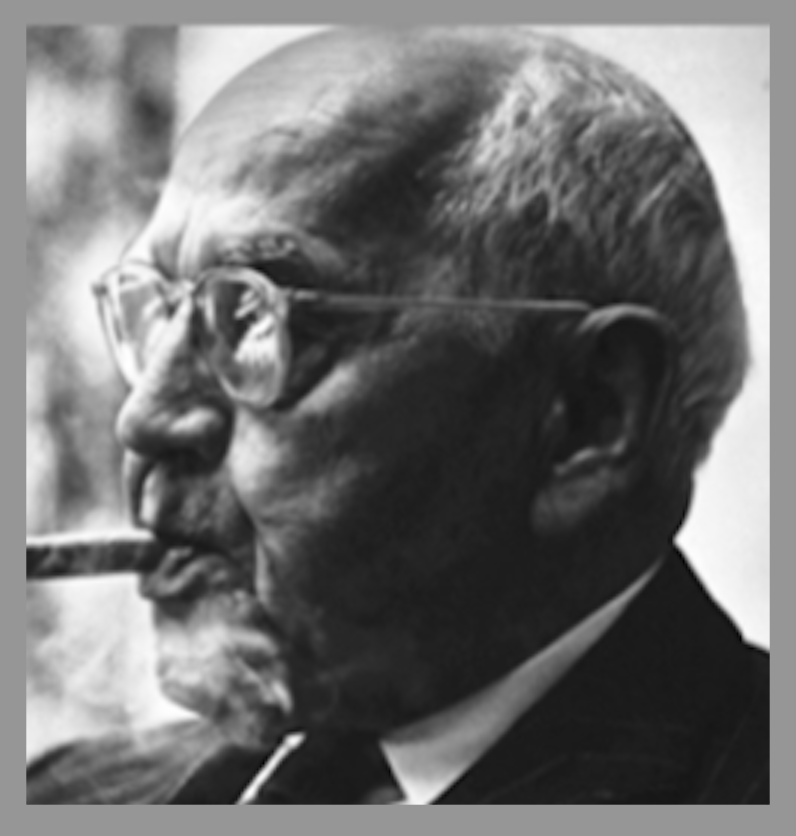
Julian Van Winkle, Sr. (Pappy)
Pappy Van Winkle was a true distiller who lived by the motto “We make fine bourbon at a profit if we can, at a loss if we must, but always fine bourbon." Pappy had an affinity for his family and the legacy of his family name. He brought into the company his sonJulian Proctor Jr., his son-in-law, King McClure, and eventually (once he grew into a young man) his grandson, Julian Proctor Van Winkle III.
11
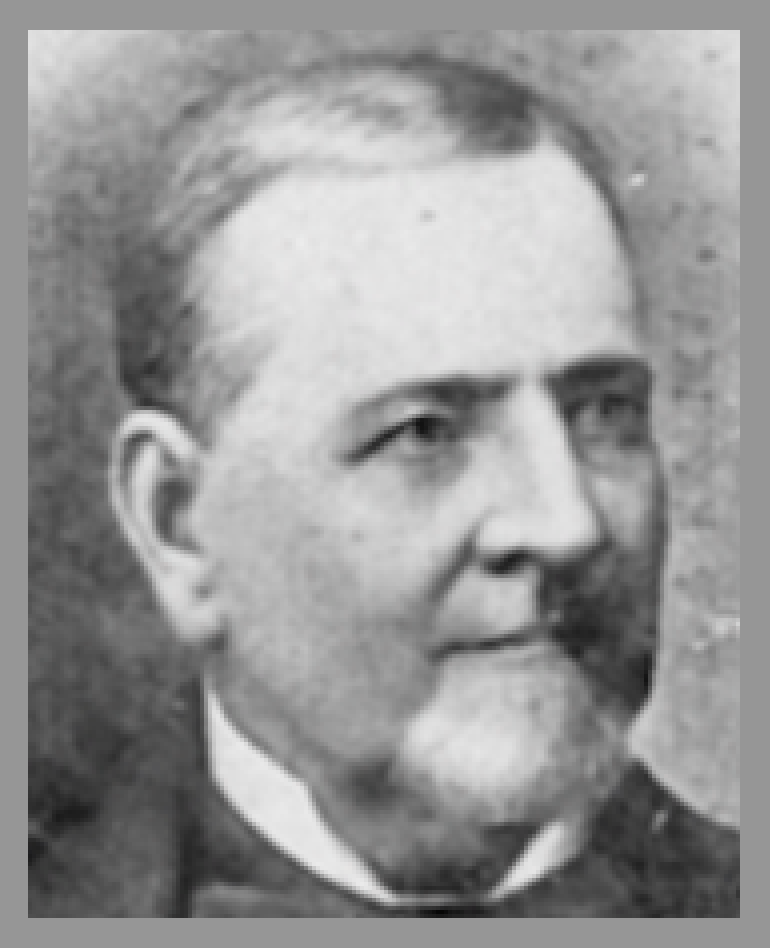
William Larue Weller
William Larue Weller was born in July of 1825. William was destined to build a name for himself and used his family’s whiskey-making prowess as his foothold. William Larue Weller is credited with being the first distiller to produce Kentucky Straight Bourbon Whiskey using wheat instead of rye in the mash bill. and were known as Weller’s original “wheated bourbons".
12
Woody Wilson
Woody Wilson belonged to the generation of traditional bourbon makers, learning his craft strictly through hands-on experience. He had come to work at Stitzel-Weller in the mid-1950s and was first employed in warehouse operations before working for 12 years as the Assistant Distiller under Roy Hawes.