
Craft Distillery Whiskey Founders
Pacific States Region
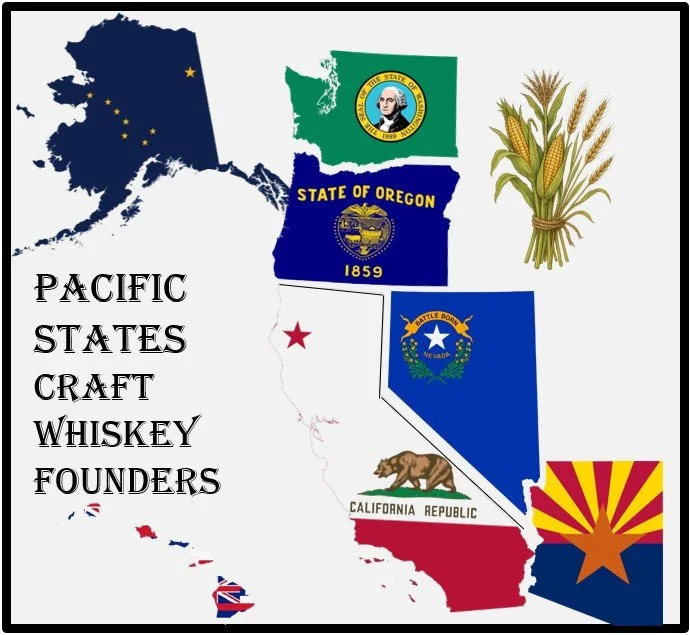
The Pacific States Region includes the States of: Alaska, Arizona, California, Hawaii, Nevada, Oregon and Washington
Below are links to Whiskey Founders that have made huge contributions to the growth of the Pacific States Region’s Whiskey Industry. These may have been historical figures that lived long ago before prohibition or may be living leaders that have advanced the cause of the industry as a whole. Craft Whiskey has now been its own whiskey category for years.
(NOTE: FOUNDERS ARE LISTED IN ALPHABETICAL ORDER)
1
Caitlin Bartlemay
Hood River
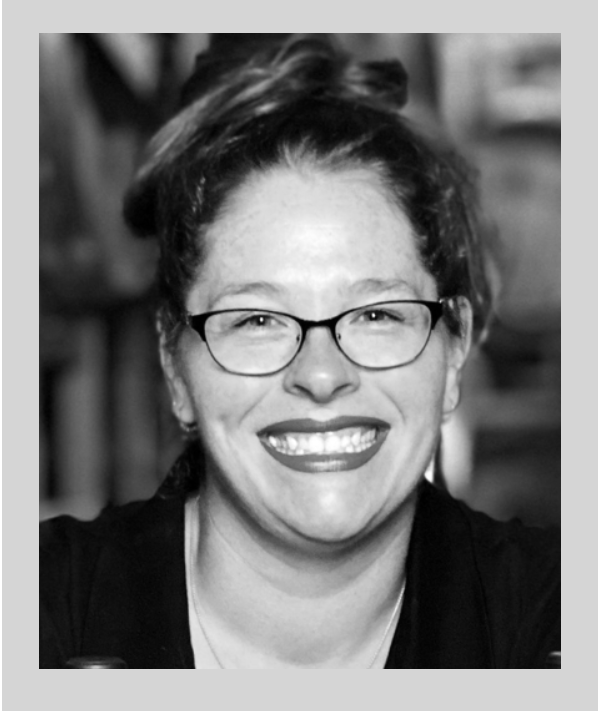
In April 2024, one year after her mentor and comrade McCarthy passed away, Hood River Distillers elevated Caitlin Bartlemay to the role of Master Distiller, giving her oversight over their full slate of brands, the most notable of which are McCarthy’s Oregon Single Malt, Sinfire Whisky, Easy Rider Kentucky Straight Bourbon Whiskey, and Trail’s End Finished Small Batch Bourbon.
2
Derek Benham
Redwood Empire
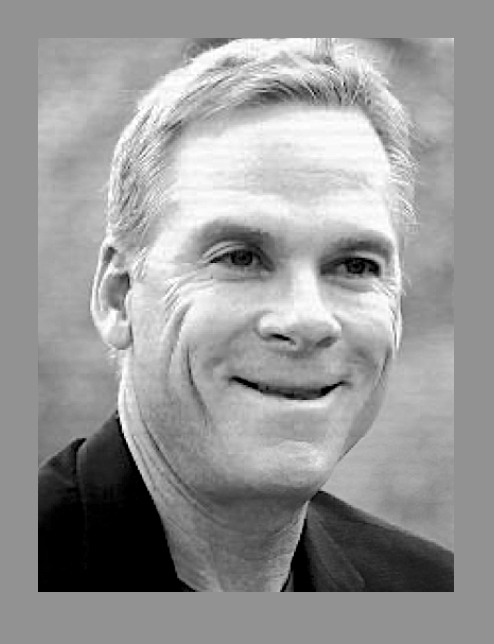
In 2013, after three decades in wine, Derek Benham saw an opening for American whiskey in California. Looking at the cool, humid climate of the Russian River Valley, he believed the region was ideal for long, slow barrel aging, so it was there that he committed to building a distillery in the small town of Graton.
3
Yuseff Cherney
Cutwater Spirits
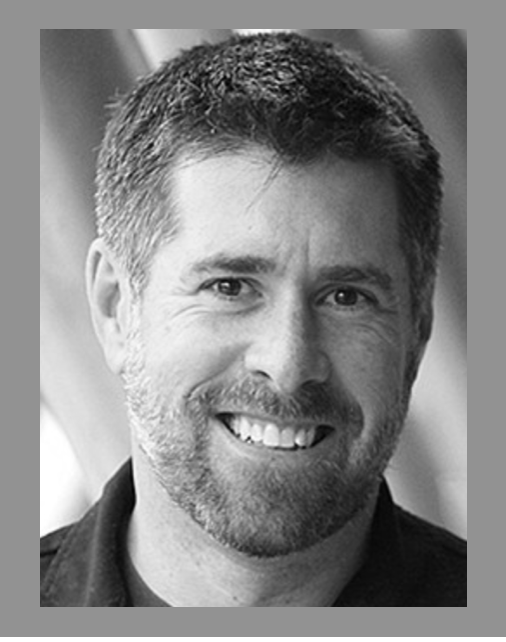
Cutwater Spirits was officially established as a separate company in 2017, with Yuseff Cherney as Master Distiller. But Cutwater Spirits was not just another craft distillery, it was the realization of decades of brewing and distilling expertise, combined with a bold belief in innovation and accessibility.
4
J.H. Cutter
J.H. Cutter
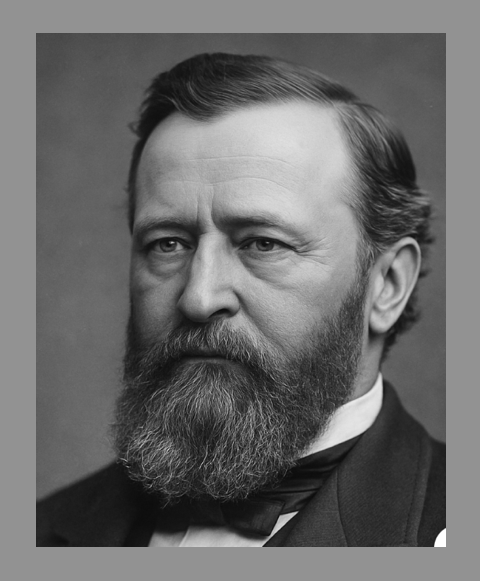
John H. Cutter blended and bottled whiskey that began to be recognized for consistent high quality, and sold it under his own name. In 1858, with his business already established, John H. Cutter merged his firm with that of Louisville wholesaler Charles P. Moorman. Moorman and Milton J. Hardy, Cutter’s son-in-law, served as junior partners.
5
Jeff Duckhorn
Redwood Empire
As Master Distiller at Redwood Empire Distillery, Jeff Duckhorn oversees a portfolio that currently includes five straight whiskeys: Pipe Dream Bourbon, Emerald Giant Rye, and Lost Monarch, Grizzly Beast Bourbon and Rocket Top Rye, which is aged five years at the Sonoma County facility.
6
Jason Grossmiller
Arizona Distilling Co.
Jason Grossmiller purchased a small still and began experimenting in a backyard setting. These first efforts were practical, iterative, and self-directed, but soon, the combination of independent experimentation provided the technical foundation he needed to get Arizona Distilling Company off the ground.
8
Brad & Kathy Irwin
Oregon Spirit
By the mid-2000s, Brad’s curiosity about whiskey had outgrown the bar. At home in Bend, he began tinkering with a small still in his garage, using home distilling as a way to understand grain and flavor more deeply. During this time, he ran batches in the garage and learned through trial and error.
9

Bruce Joseph
Hotaling
Bruce Joseph’s story is one of passion, perseverance, and a lifelong love for spirits and the city of San Francisco. Having grown up in California’s Central Valley, about 90 miles east of San Francisco, after high school, Bruce headed to San Francisco State University. In 1980, he found work at Anchor Brewing. Hired as a brewer right out of college.
7
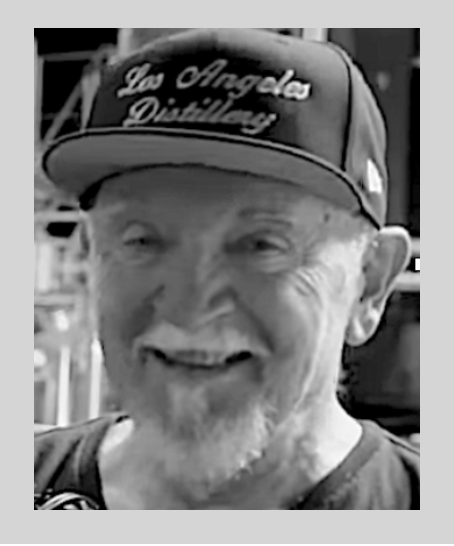
Lewis Harsanyi
Los Angeles Distillery
Harsanyi drew on his decades of experience to build a distillery that integrated advanced control systems with copper pot stills calibrated for consistency. The facility produces a range of small-batch spirits, including rye whiskey, single malt, and bourbon whiskey, which became a central expression of his craft.
11
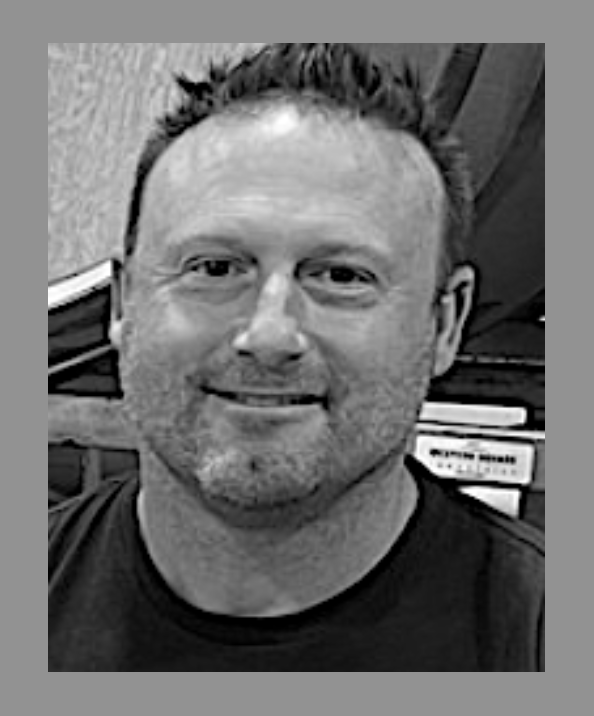
Stephen Kroener
KROBĀR
In 2012, alongside business partner Joe Barton, Stephen Kroener launched KROBĀR Craft Distillery with a vision rooted in a blend of heritage and modern technique. The name “KROBĀR” is a portmanteau referencing Kroener’s surname and Barton’s (KRO + BAR), and is emblematic of their shared ethos of collaboration.
12

Steve McCarthy
Clear Creek
Academically gifted and driven, McCarthy pursued higher education at Reed College in Portland, earning his degree in 1966. He then went on to receive a law degree from New York University in 1969, evidence of a man deeply committed to learning and transformation.
10
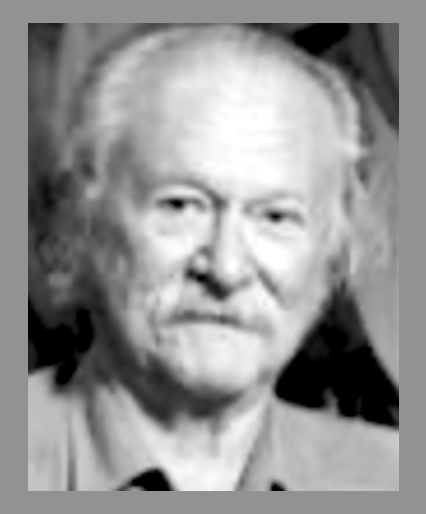
Milorad Karakasevic
Charbay
As a teenager, Milorad Karasevic was already being shaped for a life at the still. He formally entered the family distilling operation, learning through repetition and responsibility rather than instruction manuals. This was apprenticeship in its purest form: you learned by doing, by failing quietly, and by tasting constantly.
14
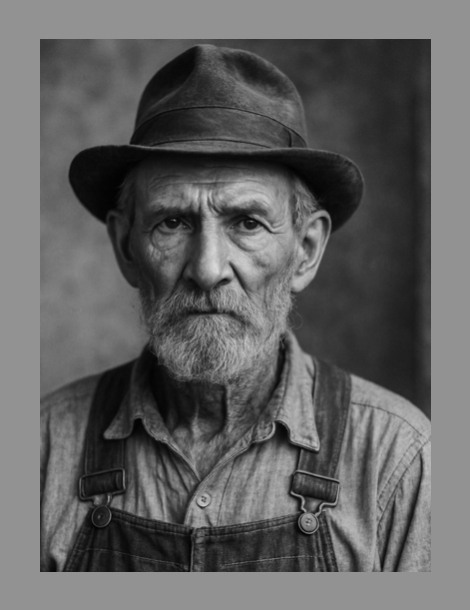
Cyrus Noble
Cyrus Noble
Cyrus Noble was drawn westward. He tried his luck in the California gold fields, but unsuccessfully; dejected he returned home to Ohio. Still needing a livelihood, Noble took work at the Freiberg & Workum operation in Lynchburg, Ohio. The Cincinnati-based firm had acquired the former Bowen Distillery.
15
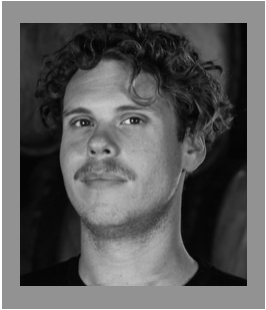
Jesse Parker
Doc Swinson’s
Jesse Parker taught himself distillation by studying processes, equipment, and techniques on his own, building a foundation that would later surprise seasoned professionals. A chance meeting moved that self-directed education into the real world when Parker struck up a conversation with a man doing a bottle signing; that man ran a nearby distilling school.
13
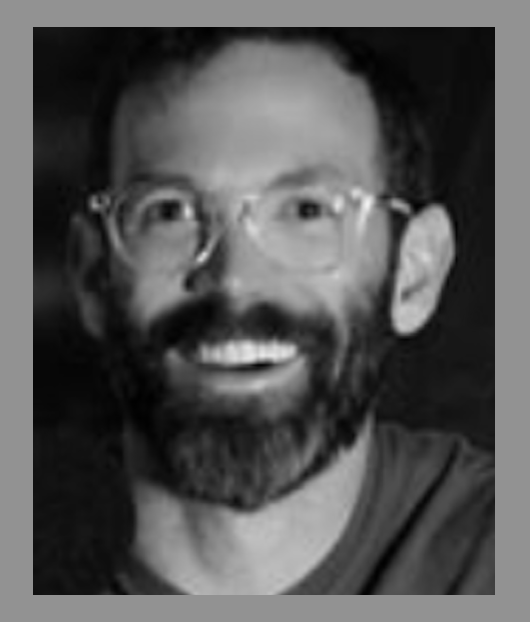
Clayton Mendel
Devil’s Creek
William “Clayton” Mendel was born on May 16, 1980, and his life is firmly rooted in Mammoth Lakes, California, a place where altitude, weather, and self-reliance shape work ethic. When Devils Creek Distillery began operations in late 2015, Mendel emerged as the individual responsible for the spirit’s core character.
18
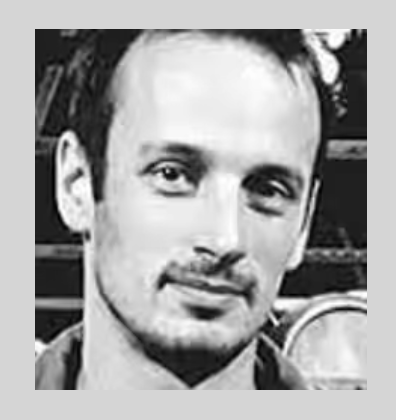
Rob Rubens
R6 Distillery
in 2014, Rob Rubens founded R6 Distillery in El Segundo, California. R6 Distillery is a grain-to-glass, familyowned operation focused on small batch spirits made from locally sourced ingredients. The distillery’s ethos emphasizes authenticity and eschewing shortcuts that compromise quality.
17
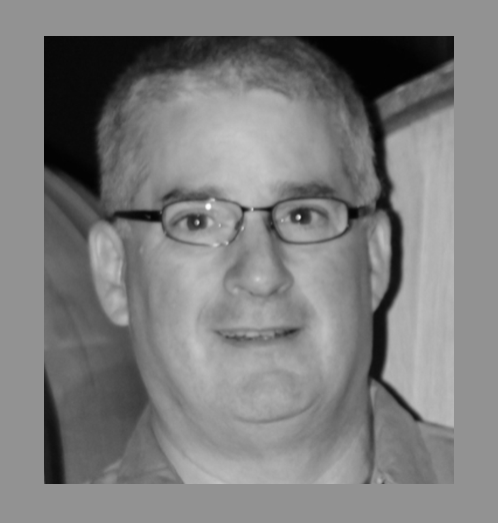
Don Poffenroth
Dry Fly Distilling
In 2007, Dry Fly Distilling officially launched in Spokane, co-founded by Don Poffenroth It was licensed as the first legal distillery in Washington State since Prohibition, an early entry in what would become a nationwide craft-spirits boom. From the outset, Poffenroth insisted on a local, grain-to-glass model.
16
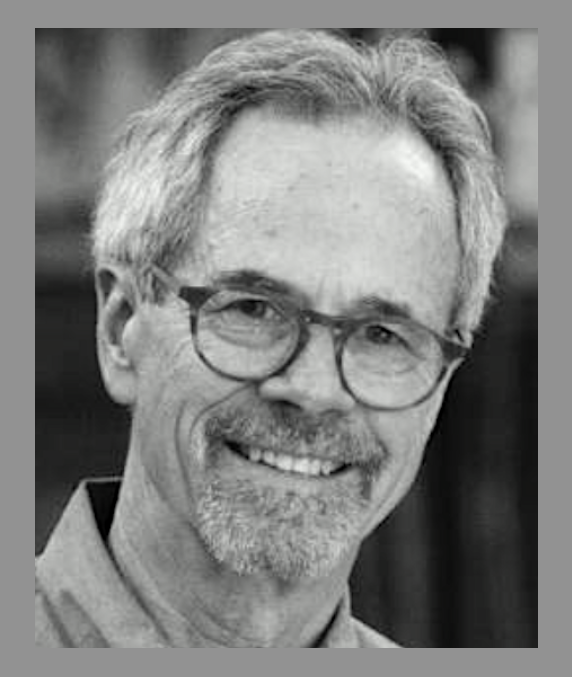
Steven Paul
Whiskey Del Bac
In 2006, Stephen Paul was at home, cooking over mesquite wood scraps from their furniture shop and drinking Scotch whisky. When his wife posed a simple question: why not dry malted barley over mesquite instead of peat, as is done in Scotland? That question became the foundation of Hamilton Distillers.
21
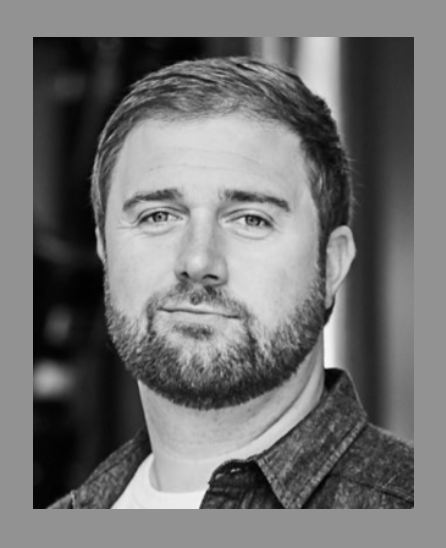
Adam Spiegel
Sonoma Distilling
Spiegel’s approach emphasized three major points: grain-to-glass production without sourcing; traditional double distillation in copper pot stills, inspired by Scottish and Cognac methods, using direct flame rather than steam; and local, non-GMO California grains, all sourced within 100 miles of his distillery.
20
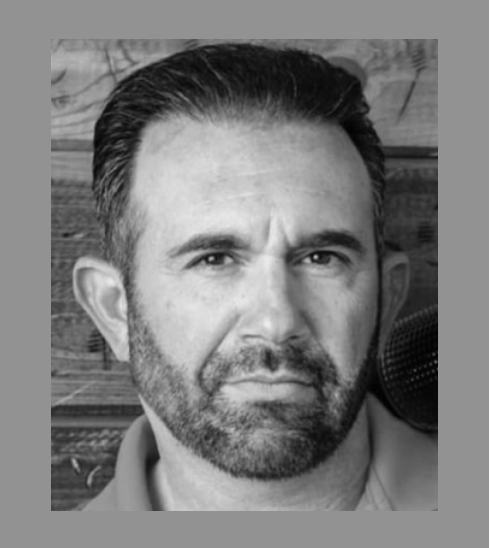
David Souza
Corbin Cash
David Souza eventually sold his businesses and returned home to Atwater, determined to build a “farm-to-bottle” brand. Back on the family’s sweet-potato farm, he began experimenting with distillation. He ordered parts online, and built a small still from two beer kegs, copper pipe, and an electric cooktop.
19
Orlin Sorenson
Woodinville
In 2008, Orlin Sorensen and his partner cashed out their 401(k)s, sold their houses and secured small business loans during a recession in order to finance a distillery that would not produce mature whiskey for years. Sorensen left his airline career behind, and committed to building a whiskey brand from the ground up.
24
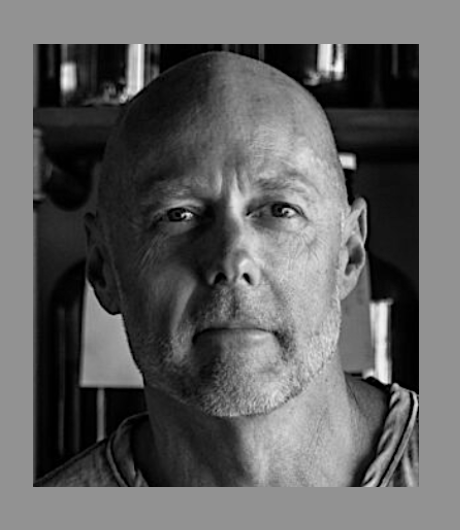
Lance Winters
St. George Spirits
In 1996, after a few years of distilling, Winters mustered the courage to approach Jörg Rupf, founder of St. George Spirits, with a bottle of his homemade spirit as a résumé. Rupf’s admittedly blunt evaluation, “That’s inoffensive,” could have discouraged anyone
23
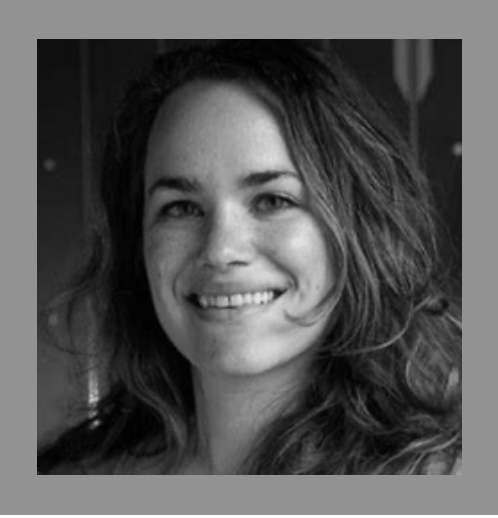
Molly Troupe
Freeland Distilling
After college, Molly Troupe returned to Oregon and stepped directly into the state’s emerging craft spirits scene. Before working at Freeland, she first worked for Hood River Distillers and Oregon Spirit Distillers in Bend, gaining practical experience as a distiller and consultant.
22
Mark Stell
Bird Creek Distilling
Mark Stell and his wife traveled the Kentucky Bourbon Trail and tasted widely, paying close attention to how age, process, and raw materials shaped flavor. His background had taught him that variety, origin, and producer relationships could transform an everyday commodity into something distinctive.