
(NOTE: FOUNDERS ARE LISTED IN ALPHABETICAL ORDER)
Scotch Whisky Founders
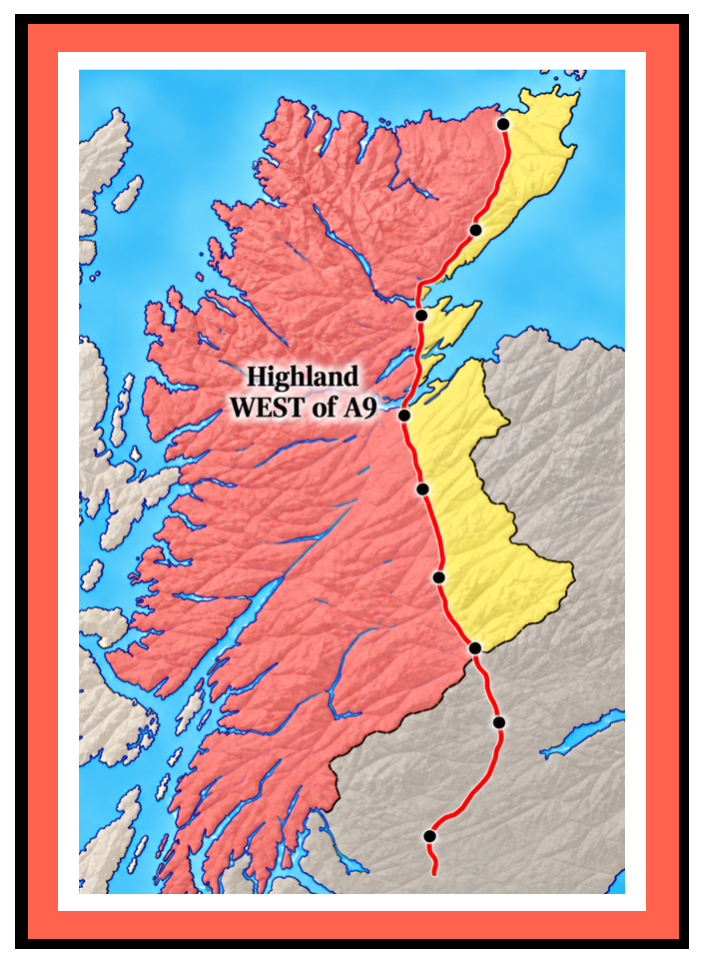
Highlands Region West of A9 Road
The Northern Areas within Scotland.includes the Highlands Region
Below are links to Whisky Founders that have made huge contributions to the growth of the Western Highlands Region as well as the Scotch Whisky Industry as a whole. These may have been historical figures that lived long ago before prohibition or may be living leaders that have advanced the cause of the industry as a whole.
1

Alex Bruce
Adelphi
Alexander Bruce was born in 1971 into the Bruce family of Kinnaird, an ancestry with longstanding ties to Scotch whisky through the Glasgow whisky trade, and later connections to Duncan Taylor and other independent bottling interests. He was also a direct descendant, on his mother’s side, to Andrew Usher.
2
George Connell
Glengoyne
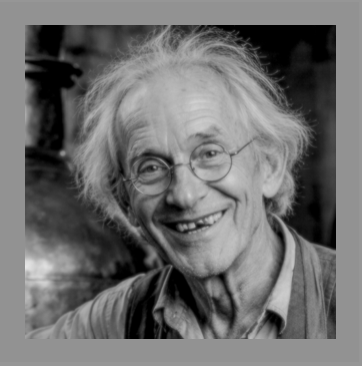
George Connell was at Burnfoot Farm in 1820, distilling in secret. George had been born in 1795, the son of John and Elisabeth McDougal Connell, and from an early age, he learned the business of hidden distilling the way many did: not through a deed and an established apprenticeship, but through his grandfather.
3
John Drummond
Glenturret
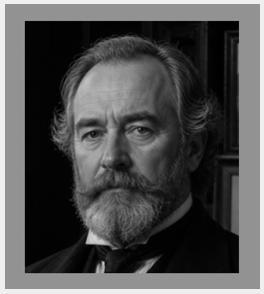
John Drummond operated under enormous social pressure at Glenturret. Distillery owners and managers in Perthshire occupied important positions in local society, since they employed substantial numbers of workers, purchased grain from surrounding farms, and contributed to regional commerce.
4

Jon Erasmus
Uile-bheist
THIS FOUNDERS HISTORY WILL BE PUBLISHED SOON
5

Graham Eunson
Tomatin
THIS FOUNDERS HISTORY WILL BE PUBLISHED SOON
6

Michael Henry
Loch Lomond Grain Dist.
THIS FOUNDERS HISTORY WILL BE PUBLISHED SOON
7
Brodie Hepburn
Deanston
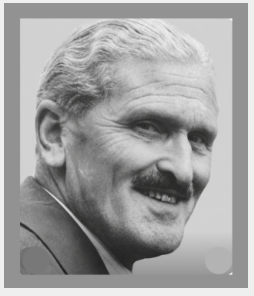
Brodie Hepburn saw potential in Deanston. Perhaps more importantly, he saw an honest work ethic and a passionate community whose citizens were eager to become true whisky makers. By then, Hepburn had spent decades in the spirits trade and understood the growing demand for Highland whisky.
8
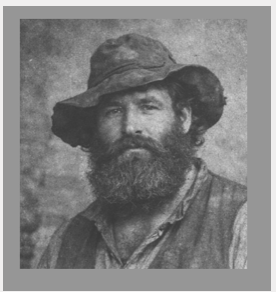
Long John MacDonald
Ben Nevis
John MacDonald led a mountain rescue for the Duchess of Buccleuch. In 1838, the Duchess and her retinue got lost in the mist during an ascent on Ben Nevis. An outdoorsy man from the beginning, Long John was the first rescuer to find the party, and rang a very large bell to attract the others’ attention.
9

John Mackenzie
GlenWyvis
10
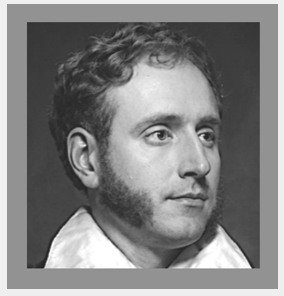
Thomas Mackenzie
Glen Ord
Thomas Mackenzie envisaged an industry where local men could have all-year round employment. It also gave him a ready market for his barley. So in 1838, Mckenzie established what became Glen Ord Distillery near Muir of Ord. The distillery initially operated under the name Ord Distillery Company.
11
Struan Mackie
North Point
12

Tony Reeman-Clark
Strathearn
Tony Reeman-Clark launched Strathearn’s “The First Whisky Club,” explicitly contrasting itself with larger distilleries whose clubs required waiting 5 years or more for matured stock. His pitch was simple: Strathearn’s first Scotch would be ready sooner, and the club would provide members with access to it.
13
Andrew Rankin
Ardross
14
John Stevenson
Oban
John Stevenson and his brother established a brewery in Oban; in 1794, that brewery became the Oban distillery. Oban’s modern reputation is as an “urban” distillery, that is, still sitting within the town rather than out in the countryside, which shows that it was there early, before the town fully encased it.
15
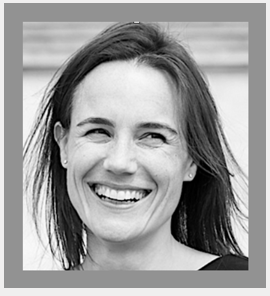
Annabel Thomas
Nc’Nean
In the early 2010s, Annabel Thomas began exploring the Scotch whisky industry to learn its constraints. What she identified was a gap, in that while Scotch whisky was globally respected, it was also often perceived as somewhat outdated, too traditional, male-dominated, and resistant to change.
16
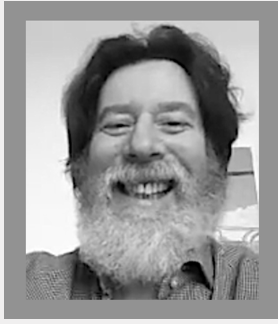
Jamie Walker
Ardnamurchan Distillery
Jamie Walker belongs to the family associated with Glasgow’s Adelphi Distillery, one of the great industrial whisky operations of nineteenth-century Scotland. The original Adelphi Distillery, founded in 1826, eventually expanded into one of the largest distilleries of the late Victorian era.